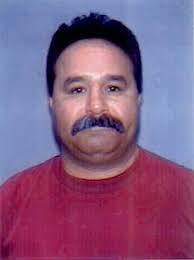
Larry Ashbrook and the 1999 Wedgwood Baptist Church Massacre
Background
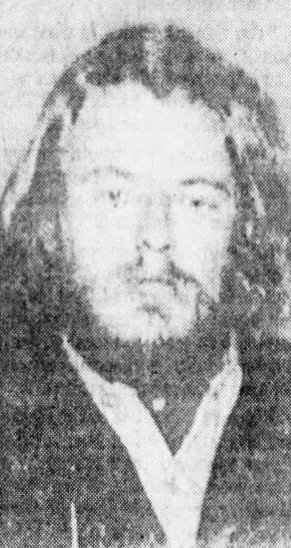
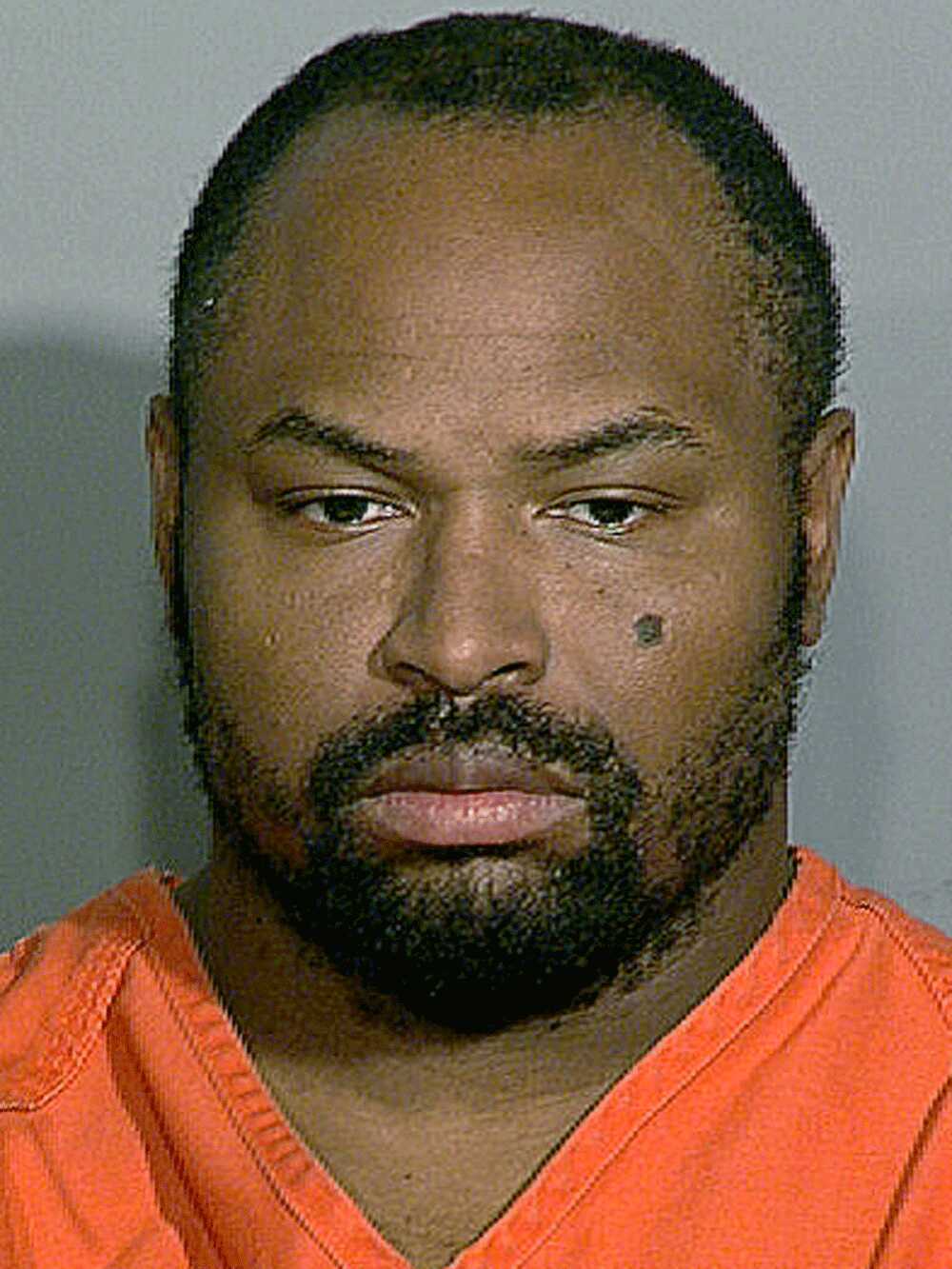
Larry Gene Ashbrook was a 47-year-old Fort Worth, Texas, resident who carried out a deadly attack inside Wedgwood Baptist Church on September 15, 1999. Ashbrook entered the church during a youth-centered religious gathering, opened fire on those inside, detonated an improvised explosive device and ultimately killed seven people before taking his own life. Seven additional victims were wounded.
Ashbrook was born on July 10, 1952. In the years before the massacre, relatives, neighbors and acquaintances described increasingly erratic, hostile and paranoid behavior. He lived with his elderly father, Jack Ashbrook, and neighbors later alleged that Larry sometimes behaved violently toward him. Jack Ashbrook died on July 20, 1999, less than two months before the church shooting.
Ashbrook repeatedly claimed that government agencies, police officers, former employers and unidentified conspirators were persecuting him. He wrote rambling letters to the Fort Worth Star-Telegram in which he alleged that the Central Intelligence Agency was monitoring him and that others were attempting to frame him for serious crimes. Shortly before the shooting, he visited the newspaper and attempted to persuade staff members to publicize his claims.
Preparation for the Attack
During the investigation, police learned that Ashbrook had obtained two semiautomatic handguns earlier in 1999. The weapons were a 9mm Ruger P85 and a compact .380-caliber AMT Backup pistol. Investigators determined that he had purchased the guns from separate sellers at a flea market in February 1999.
A search of Ashbrook's residence revealed evidence of severe deterioration and destructive behavior. Investigators found holes smashed into walls, concrete poured into toilets, damaged fixtures and poisoned fruit trees. Materials associated with the construction of pipe bombs were also discovered inside the property. His writings contained paranoid allegations, hostility toward organized religion and claims that powerful groups were controlling or attacking him.
Although later accounts suggested that Ashbrook may have associated with extremist ideas, investigators never established that he was acting under orders from an organized group. His writings and statements during the massacre strongly indicated resentment toward Christianity, but authorities were unable to identify one definitive motive that fully explained the attack.
The Wedgwood Baptist Church Gathering
On the evening of September 15, 1999, hundreds of teenagers and adults gathered at Wedgwood Baptist Church in Fort Worth. The church was hosting a See You at the Pole youth rally and concert. The event included music by the Christian rock band Forty Days and was intended to bring students together for prayer, worship and fellowship.
Ashbrook arrived at the church wearing mirrored sunglasses and carrying his firearms and a homemade pipe bomb. Witnesses noticed him entering while smoking a cigarette. His presence appeared unusual because he was considerably older than most of the young people attending the rally and did not appear connected to the church or the event.
The Shooting Begins
After entering the building, Ashbrook approached people near a hallway and asked whether the religious meeting was being held there. He then pulled a handgun from beneath his clothing and began firing. The initial gunshots caused confusion because some of the teenagers believed the noise and Ashbrook's dramatic entrance might have been part of a planned performance.
Ashbrook moved farther into the church and continued shooting. He shouted hostile and profane statements about Christianity while firing at people in hallways and inside the sanctuary. Some victims were struck while attempting to escape, while others were shot as they tried to hide or protect those around them.
Two people with cameras attempted to record what was happening. Ashbrook fired toward them, damaging the cameras and killing 17-year-old Justin Michael Ray. Members of the band initially struggled to understand that the attack was real. When a guitarist returned to the stage and looked toward Ashbrook, the gunman fired at him but missed.
Ashbrook reloaded several times during the massacre. Investigators later recovered multiple empty ammunition magazines inside the church. He also threw a homemade pipe bomb into the building. The device exploded and sent fragments upward, but no one was killed by the explosion. The majority of the casualties were caused by gunfire.
Confrontation Inside the Church
During the attack, 19-year-old Jeremiah “Jeremy” Neitz remained inside the church and confronted Ashbrook verbally. Neitz later said that Ashbrook pointed a gun at him and criticized his religious beliefs. Neitz responded by telling Ashbrook that he did not have to continue the violence and that he needed Jesus Christ in his life.
Accounts of the exchange differed in some early reports, but Neitz's actions were later described by investigators and witnesses as exceptionally courageous. Ashbrook continued making hostile statements about Christianity before moving away. The entire attack lasted less than ten minutes.
Ashbrook's Death
After killing seven people and wounding seven others, Ashbrook sat down inside the church and shot himself. He died at the scene on September 15, 1999. His suicide prevented a criminal trial and left investigators, survivors and the victims' families without an opportunity to question him about his planning or his precise motive.
Eight people died in total when Ashbrook is included in the count. Four of the seven murdered victims were teenagers. The victims ranged in age from 14 to 36 and included students, church workers and young adults who had attended the rally to support the teenagers.
Victims Killed
- Kristi Kathleen Beckel, 14 — Killed on September 15, 1999, inside Wedgwood Baptist Church in Fort Worth, Texas.
- Shawn Christopher Brown, 23 — Killed on September 15, 1999, inside Wedgwood Baptist Church in Fort Worth, Texas.
- Sydney Rochelle Browning, 36 — Killed on September 15, 1999, inside Wedgwood Baptist Church in Fort Worth, Texas.
- Joseph Daniel Ennis, 14 — Killed on September 15, 1999, inside Wedgwood Baptist Church in Fort Worth, Texas.
- Cassandra Fawn Griffin, 14 — Killed on September 15, 1999, inside Wedgwood Baptist Church in Fort Worth, Texas.
- Susan Kimberley Jones, 23 — Killed on September 15, 1999, inside Wedgwood Baptist Church in Fort Worth, Texas.
- Justin Michael Ray, 17 — Killed on September 15, 1999, while attempting to record the attack inside Wedgwood Baptist Church in Fort Worth, Texas.
Those Wounded
Seven people survived gunshot wounds or other injuries suffered during the attack. Three sustained major injuries, while four were reported to have suffered less severe wounds. One of the most seriously injured survivors was Justin Laird, who turned 16 on the day of the massacre. A bullet struck his spine, leaving him paralyzed from the chest down.
Emergency personnel entered a chaotic scene filled with wounded victims, spent ammunition, broken glass and debris from the pipe-bomb explosion. Police evacuated the church and searched the building for additional explosives. Officers initially did not know whether Ashbrook had acted alone or whether other attackers or devices remained inside.
Investigation and Motive
Investigators examined Ashbrook's firearms, writings, residence and personal history. His letters described elaborate conspiracies in which he believed government agencies and private individuals were monitoring, drugging and framing him. Family members also described severe paranoia and suspected mental illness, although no court ever evaluated his competency because he died at the scene.
Witnesses consistently reported that Ashbrook insulted Christianity during the shooting. His journals reportedly contained anti-religious statements, and he was said to have mutilated a Bible before the attack. People who knew him during childhood recalled that he resented being required to attend church frequently. These details led many observers to classify the massacre as an anti-Christian hate crime.
There were also allegations that Ashbrook had expressed antisemitic or extremist beliefs and may have communicated with people associated with the loosely defined Phineas Priesthood ideology. However, organizations that monitored extremist groups reported that his name did not appear in their records, and authorities did not confirm that he belonged to a formal organization.
Police ultimately concluded that Ashbrook acted alone. No evidence showed that another person helped him select the church, acquire the weapons or carry out the attack. His exact reason for choosing Wedgwood Baptist Church was never definitively established.
Community Response
The massacre shocked Fort Worth and drew national attention because it occurred inside a church during an event attended largely by teenagers. Families gathered at hospitals and police staging areas while authorities identified the dead and treated survivors. Clergy members, counselors and volunteers provided support to victims, relatives and witnesses.
Wedgwood Baptist Church reopened for worship four days after the attack. Pastor Al Meredith told the congregation that the church would not allow the massacre to destroy its community or mission. Church members publicly discussed grief, forgiveness and the difficulty of understanding why Ashbrook had targeted people gathered for worship.
A memorial was later established outside the church to honor Kristi Beckel, Shawn Brown, Sydney Browning, Joseph Ennis, Cassandra Griffin, Susan Jones and Justin Ray. The victims were remembered by the congregation as young people and adults whose lives were centered on family, friendship, faith and service rather than solely as casualties of a mass shooting.
Legacy
The Wedgwood Baptist Church massacre became one of the most notorious attacks on a house of worship in the United States during the 1990s. It intensified discussions about church security, emergency planning, access to firearms and the warning signs associated with violent paranoia.
The attack also demonstrated the confusion that can occur during an unexpected shooting. Several witnesses initially believed that Ashbrook's entrance and the first gunshots were part of a skit. Churches and other public gathering places later incorporated lessons from Wedgwood into training programs designed to help staff members recognize threats and respond more quickly.
For survivors and relatives, the consequences continued long after September 15, 1999. Some endured permanent physical disabilities, while others struggled with trauma, grief and survivor's guilt. Anniversary services and memorial events have continued to emphasize the lives of the seven murdered victims and the resilience of the Fort Worth community.
Larry Ashbrook left no reliable explanation for why he chose to murder strangers attending a youth worship service. His paranoid writings, anti-religious hostility and deteriorating behavior offered possible elements of a motive but did not provide a complete answer. The massacre remains defined not by Ashbrook's grievances, but by the seven people whose lives he took and the survivors whose lives were permanently changed.