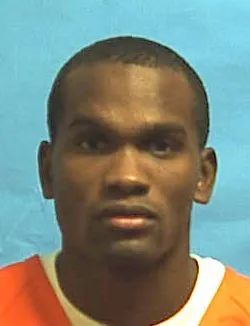
Isaac Zamora and the 2008 Skagit County Shooting Rampage
Background
Isaac Zamora was a 28-year-old resident of Alger, a rural community in Skagit County, Washington, when he carried out a deadly shooting rampage on September 2, 2008. Over approximately two hours, Zamora moved between several homes, roads and businesses, killing six people and injuring four others. One of those killed was a Skagit County sheriff’s deputy who had previously attempted to help Zamora and his family.
Zamora had a documented history of criminal behavior, substance abuse and serious mental-health problems. Family members said his condition had deteriorated over several years. He sometimes lived in the woods and later occupied a trailer on property belonging to his family near Alger. He had worked as a house painter but reportedly became increasingly troubled after suffering an injury, developing a dependence on pain medication and experiencing the end of a personal relationship.
During the months before the killings, Zamora served approximately six months in the Skagit County Jail for felony drug possession. He was released on August 6, 2008, less than one month before the rampage. As a convicted felon, he was prohibited from possessing firearms. He was also expected to undergo a mental-health evaluation following his release, but the evaluation had not been completed by September 2.
The Beginning of the Rampage
At approximately 2:15 p.m. on September 2, Zamora entered a neighbor’s property near his family’s home in Alger. He stole firearms, including a lever-action rifle, and displayed increasingly erratic behavior. His mother, Dennise Zamora, contacted authorities and asked for assistance.
Skagit County Sheriff’s Deputy Anne Jackson, 40, was dispatched to the area. Jackson knew the Zamora family and had responded to previous incidents involving Isaac. She had reportedly told his mother that she could contact her whenever the family needed help.
When Jackson arrived near the Zamora property, Zamora confronted and fatally shot her. Her killing transformed what had begun as a trespassing and welfare-related call into a rapidly developing regional emergency. Zamora then continued moving through the neighborhood, entering properties and attacking residents who encountered him.
Killings in Alger
Zamora first killed 58-year-old Chester Malcolm Rose near the group of homes surrounding the Zamora property. He then attacked additional residents in the rural Alger neighborhood. Julie Ann Binschus, 48, David Thomas Radcliffe, 57, and Gregory Neil Gillum, 38, were also fatally shot during this portion of the rampage.
Several other people were injured but survived. Richard Treston was stabbed during an encounter with Zamora. Fred Binschus was shot and wounded. The attacks occurred across more than one property, forcing responding deputies to search a large wooded area while attempting to identify the shooter’s location and assist the victims.
Witness accounts and the discovery of multiple crime scenes initially made it difficult for authorities to determine how many attackers were involved. Officers established roadblocks and warned residents to remain inside. Zamora escaped from the neighborhood in a vehicle before authorities could contain him.
Flight Along Interstate 5
After leaving Alger, Zamora drove south toward Interstate 5. Police officers, sheriff’s deputies and Washington State Patrol troopers pursued him as he traveled at speeds reported to be close to 90 miles per hour. During the chase, Zamora continued firing at people and law-enforcement officers.
Washington State Patrol Trooper Troy Giddings was shot while attempting to stop Zamora. Although wounded, Giddings was able to drive himself to a hospital and survived. Zamora also shot Ben Mercado, a motorcyclist who was at a Shell service station near Interstate 5. Mercado survived his injuries.
As Zamora traveled south, he fired at 64-year-old Leroy B. Lange, who was driving a sport utility vehicle on Interstate 5. Lange was struck and killed, becoming the sixth and final person murdered during the rampage. His vehicle left the roadway after the shooting.
Surrender and Arrest
The pursuit ended at approximately 4:30 p.m. when Zamora drove into the parking lot of the Skagit County Sheriff’s Office in Mount Vernon. He exited the vehicle and surrendered to law-enforcement officers without being killed or seriously injured. He was arrested and booked into the Skagit County Jail.
Investigators subsequently connected Zamora to a series of crime scenes extending from Alger to Interstate 5. Authorities recovered firearms and collected evidence from the residences, vehicles and roadway locations involved in the attacks.
Fatal Victims
- Chester Malcolm Rose, 58 — Killed on September 2, 2008, near the Zamora family property in the Alger area of Skagit County, Washington.
- Deputy Anne Jackson, 40 — A Skagit County sheriff’s deputy who was fatally shot after responding to the Zamora residence near Alger on September 2, 2008.
- Julie Ann Binschus, 48 — Fatally shot at a residential property in the Alger neighborhood on September 2, 2008.
- David Thomas Radcliffe, 57 — Killed during the attacks on homes and residents in Alger on September 2, 2008.
- Gregory Neil Gillum, 38 — Fatally shot during the Alger portion of the rampage on September 2, 2008.
- Leroy B. Lange, 64 — Shot and killed while driving his sport utility vehicle south on Interstate 5 in Skagit County on September 2, 2008.
Surviving Victims
- Richard Treston — Stabbed during an encounter with Zamora in the Alger area on September 2, 2008. He survived.
- Fred Binschus — Shot and wounded at one of the residential crime scenes in Alger on September 2, 2008. He survived.
- Ben Mercado — Shot while on a motorcycle at a Shell service station near Interstate 5 on September 2, 2008. He survived.
- Trooper Troy Giddings — A Washington State Patrol trooper shot during the pursuit on September 2, 2008. He was able to reach a hospital and survived.
Charges and Mental-Health Evaluations
Zamora was charged with six counts of aggravated first-degree murder, attempted murder, assault, burglary, unlawful possession of firearms and other crimes. Prosecutors initially considered seeking the death penalty. His mental condition, however, became a central issue in the case.
Psychiatric specialists evaluated Zamora and concluded that he suffered from a severe mental disorder. The legal proceedings required the court to determine whether he understood the nature of his actions and whether mental illness prevented him from being criminally responsible for some of the killings.
In November 2009, Zamora entered a negotiated combination of guilty pleas and pleas of not guilty by reason of insanity. He pleaded guilty to four counts of aggravated first-degree murder and other offenses. He was found not guilty by reason of insanity in connection with the murders of Deputy Anne Jackson and Chester Rose.
Sentencing
Zamora received four life sentences without the possibility of parole for the murders to which he pleaded guilty. He was also sentenced for the attempted killings, assaults and related offenses. The plea agreement removed the possibility of a death sentence.
Because of the insanity findings in two of the murder cases, Zamora was initially committed to Western State Hospital, Washington’s major psychiatric institution for criminal defendants and other patients requiring secure treatment. In 2012, officials transferred him from the hospital to the Monroe Correctional Complex after concerns arose about safety and the ability of hospital personnel to manage him.
Warnings Before the Murders
The rampage led to extensive scrutiny of the criminal-justice and mental-health systems. Zamora had recently been released from jail, remained under supervision and was legally prohibited from possessing firearms. His family had repeatedly reported his deteriorating condition and had sought assistance before the killings.
Deputy Jackson had personally attempted to assist the family during previous incidents. At the time of the rampage, Zamora had not completed the mental-health evaluation required following his release from jail. Corrections officials were reportedly attempting to arrange an affordable evaluation, but the process had not been completed.
Washington Governor Christine Gregoire ordered an independent review of how state and local agencies had handled Zamora before September 2. The review examined communication among law enforcement, corrections personnel and mental-health providers, as well as whether warning signs had been missed.
Civil Litigation
Families of the victims and some surviving victims later filed claims against the state of Washington. They argued that corrections officials failed to adequately supervise Zamora after his release and failed to respond effectively to evidence that he posed a danger to the community.
In 2013, the state agreed to pay approximately $9 million to settle lawsuits connected to the rampage. The settlement did not reverse the criminal judgments against Zamora, but it represented official recognition of the disputes surrounding his supervision and access to mental-health care before the attacks.
Later Court Proceedings
Years after his conviction, Zamora attempted to withdraw his guilty pleas and challenge the outcome of the case. He argued that problems with his mental condition and legal representation affected his ability to enter valid pleas. In November 2019, a Skagit County judge rejected his request, leaving the convictions and life sentences in place.
Legacy of the Skagit County Shootings
The September 2, 2008, attacks remain one of the deadliest criminal incidents in the history of Skagit County. Six families lost loved ones, several survivors suffered serious injuries, and the Skagit County Sheriff’s Office lost a deputy who had responded to what initially appeared to be a routine request for assistance.
The case became a significant example of the difficulties faced by families and public agencies when a person with severe mental illness also has a criminal history, substance-abuse problems and access to weapons. Reviews conducted after the killings focused on gaps in supervision, delayed mental-health treatment and inadequate information sharing between agencies.
Isaac Zamora’s rampage lasted only a few hours, but its effects continued through criminal proceedings, civil lawsuits and policy discussions for many years. The victims are remembered throughout Skagit County, particularly Deputy Anne Jackson, whose death underscored the danger faced by officers responding to calls involving people in psychiatric crisis.