Thomas Jacob Sanford and the 2025 Grand Blanc Township Church Attack
Overview
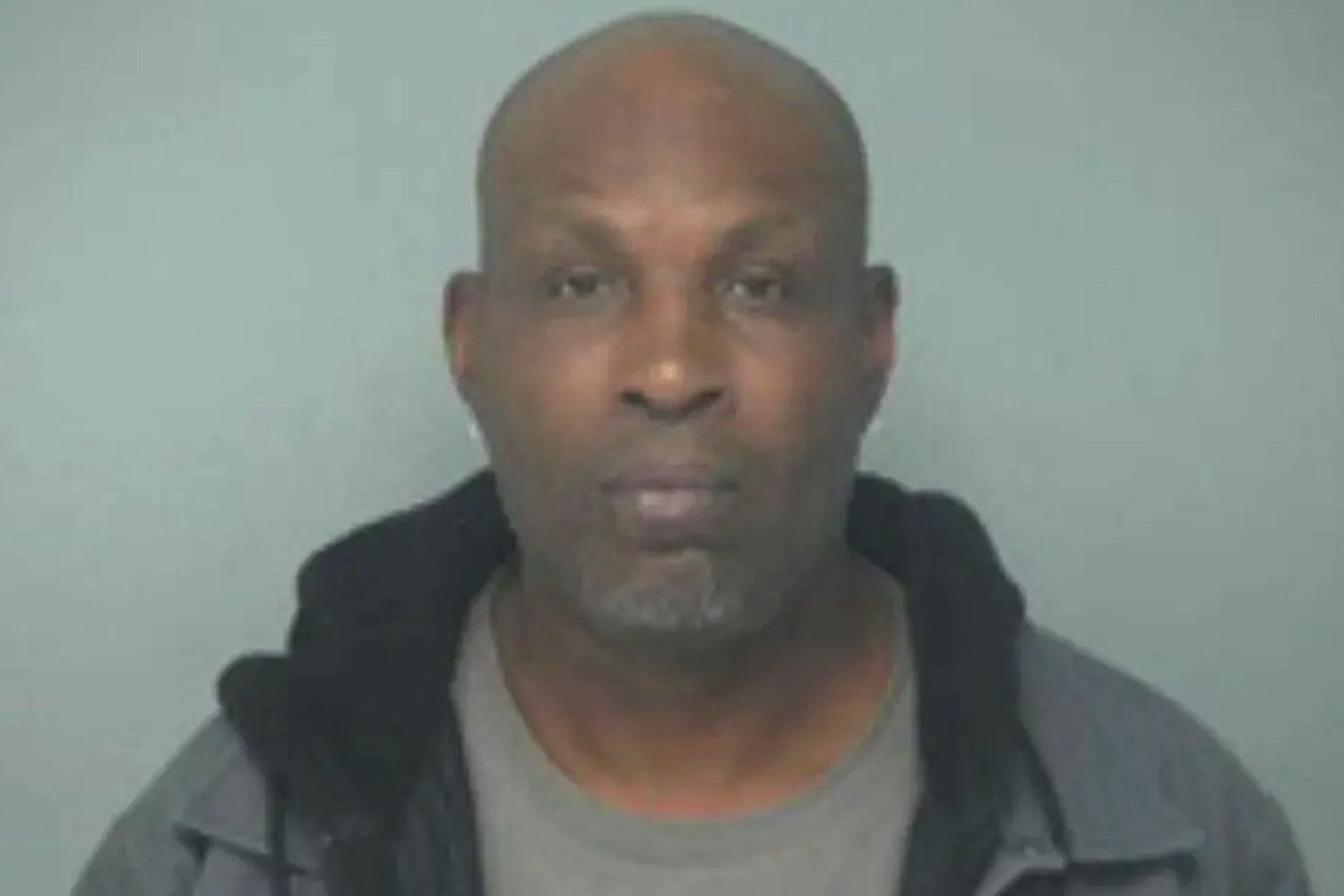
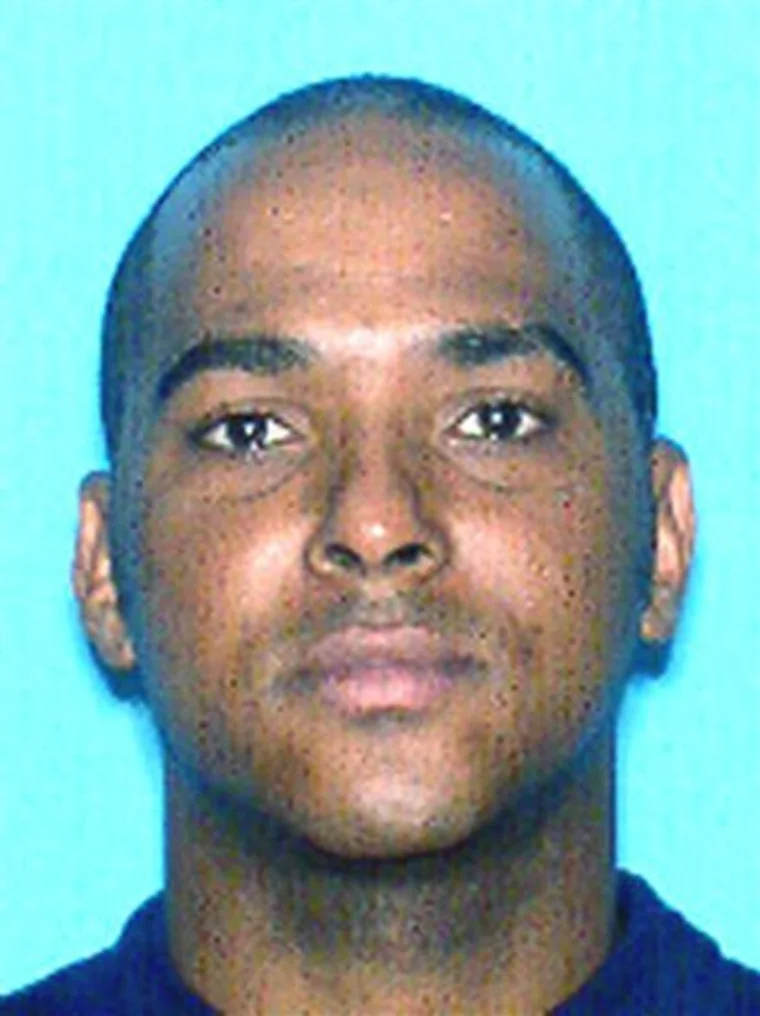
Thomas Jacob Sanford was identified by authorities as the perpetrator of a deadly mass shooting, vehicle-ramming attack and arson at a meetinghouse of The Church of Jesus Christ of Latter-day Saints in Grand Blanc Township, Michigan. The attack occurred on Sunday, September 28, 2025, while hundreds of adults and children were attending a morning worship service. Sanford killed four members of the congregation and injured eight other people before he was fatally shot by responding law-enforcement officers.
The 40-year-old Sanford lived in nearby Burton, Michigan, and was commonly known as Jake. Investigators said he acted alone. The assault appeared to have been carefully prepared because Sanford arrived with several weapons, gasoline, incendiary materials and suspected explosive devices. The FBI described the incident as an act of targeted violence and investigated evidence that Sanford held intense hostility toward members of the Latter-day Saint faith.
The Beginning of the Attack
At approximately 10:25 a.m. on September 28, Sanford drove a GMC Sierra pickup truck across the church property and deliberately crashed through a brick wall near the front of the meetinghouse. The impact tore open part of the building as worshippers were gathered inside. Witnesses initially struggled to understand what had happened, but the confusion quickly turned to panic when Sanford emerged from the vehicle carrying a rifle.
Sanford began firing at members of the congregation. People attempted to flee through exits, hide in rooms or help children and elderly worshippers escape. Some congregants remained behind to assist injured people while others guided families away from the burning structure. The victims ranged in age from six to 78, although the youngest wounded child survived.
During the attack, Sanford reportedly fired at people attempting to leave and at a vehicle being used to evacuate elderly church members. Five surviving victims suffered gunshot wounds. Several others were affected by smoke as the attack developed into a major fire emergency.
Deliberate Arson and Explosive Devices
After opening fire, Sanford deliberately ignited a fire inside the church. Investigators determined that gasoline was used as an accelerant. The wood and other combustible materials within the meetinghouse allowed the flames to spread rapidly, producing heavy smoke and destroying most of the structure.
Two victims died from injuries associated with the fire and were found after firefighters brought the blaze under control. The extensive damage complicated the search for victims and evidence. Emergency crews spent hours examining the unstable ruins to make certain that everyone inside had been located.
Authorities also discovered suspected improvised explosive and incendiary devices connected to Sanford. Several devices were reportedly found in or near his truck, although investigators did not initially determine that they had successfully detonated. Additional weapons were recovered, including firearms that Sanford apparently brought to the scene but did not use during the principal attack.
Victims Killed
- Craig Hayden, 72 — Hayden, a former Latter-day Saint bishop, was killed by gunfire on September 28, 2025, inside or immediately outside the church meetinghouse in Grand Blanc Township. Members of his family were present during the attack. He was remembered as a devoted husband, father and church leader.
- John Bond, 77 — Bond was killed during the September 28 attack at the Grand Blanc Township church. He was a United States Navy veteran who served during the Vietnam War. His family described him as a loving husband, father of six and grandfather of ten.
- Thelma Armstrong, 54 — Armstrong died during the shooting and fire at the church on September 28, 2025. She was originally from South Africa and was remembered by friends and fellow congregants for her faith and connection to the church community.
- Pat Howard, 77 — Howard was killed during the September 28, 2025, attack at the Latter-day Saint meetinghouse. Howard was among the victims found after the combined shooting and arson devastated the building.
People Injured
Eight church members survived with physical injuries. Five were treated for gunshot wounds and three were hospitalized for smoke inhalation. Two patients were initially listed in critical condition, including a person who suffered multiple wounds to the chest and abdomen. A six-year-old boy was struck in the arm by gunfire and was transferred for specialized treatment before being released several days later.
Other survivors suffered injuries to the abdomen or leg. Several people required respiratory support because of smoke inhalation, and at least one patient initially could not breathe without mechanical assistance. Additional congregants were evaluated for smoke exposure, shock and other effects of the violent evacuation.
Police Response and Sanford’s Death
The first 911 call was received at approximately 10:25 a.m. A Michigan Department of Natural Resources conservation officer and a Grand Blanc Township police officer reached the church within minutes. Gunfire was still occurring when they arrived.
The officers located Sanford outside the church and ordered him to drop his weapon. Sanford continued the confrontation, and an exchange of gunfire followed in the parking lot. The officers shot and killed him. A later review of dispatch records and body-camera footage concluded that Sanford was stopped three minutes and 47 seconds after the responding officers were assigned to the emergency.
Because Sanford died at the scene, he was never arrested, formally charged or brought to trial. Prosecutors later reviewed the officers’ actions and determined that their use of deadly force was legally justified because Sanford presented an immediate threat to officers, survivors and emergency personnel.
Sanford’s Background
Thomas Jacob Sanford was born on July 29, 1985, and grew up in the Atlas Township area of Michigan. He graduated from Goodrich High School in 2004 and joined the United States Marine Corps shortly afterward. He served from June 2004 until June 2008, attained the rank of sergeant and deployed to Iraq from August 2007 through March 2008.
Sanford worked in vehicle recovery and the repair of military transportation equipment. Records indicated that he received several military awards and qualifications during his service. After leaving the Marines, he returned to Michigan and held civilian employment, including work connected to trucking and beverage distribution.
Sanford was married and had a son who had experienced serious medical problems from a rare condition known as congenital hyperinsulinism. His family had previously raised money to help cover the child’s extensive treatment. Relatives said they were shocked by Sanford’s actions and expressed sympathy for the victims and the Grand Blanc community.
Evidence of Religious Hostility
Investigators examined whether Sanford selected the church because of hostility toward the Latter-day Saint religion. A local political candidate reported speaking with Sanford less than a week before the attack and said Sanford delivered an angry denunciation of the faith, describing its members in hostile religious terms.
Other people who knew Sanford said he had repeatedly expressed resentment toward the church. Some accounts suggested that his animosity may have developed after a relationship with a Latter-day Saint woman ended many years earlier. Authorities examined that history along with Sanford’s electronic devices, communications, firearms and activities before the attack.
The FBI treated the massacre as targeted violence. Reports that Sanford hated members of the faith supported the possibility of an anti-Latter-day Saint motive, although investigators were cautious about reducing the attack to a single personal event or grievance. No evidence indicated that the congregation had been warned of the approaching assault.
Investigation and Aftermath
More than 100 federal agents were assigned to assist local and state authorities. Investigators searched Sanford’s Burton residence, reviewed his telephone and digital records and examined the weapons, gasoline containers and suspected explosive devices recovered from the scene. Authorities also investigated bomb threats directed at other houses of worship after the attack.
The church building was largely destroyed, leaving the congregation without its regular place of worship. Vigils and memorial gatherings were held for Craig Hayden, John Bond, Thelma Armstrong and Pat Howard. Survivors described acts of courage by congregants who carried injured people, protected children and repeatedly entered dangerous areas to help others escape.
The massacre combined three methods of attack: Sanford used his truck to breach the church, fired a rifle at worshippers and set the occupied building on fire. The preparation, selection of a crowded Sunday service and suspected religious hostility made the incident one of the most devastating attacks on an American house of worship in 2025.
Sanford’s death ended the immediate threat but prevented a criminal trial that might have produced fuller answers about his motives and planning. The continuing investigation established that he was solely responsible for the September 28, 2025, attack, which left four innocent worshippers dead, eight people physically injured and an entire religious community confronting the destruction of its meetinghouse and the loss of several longtime members.