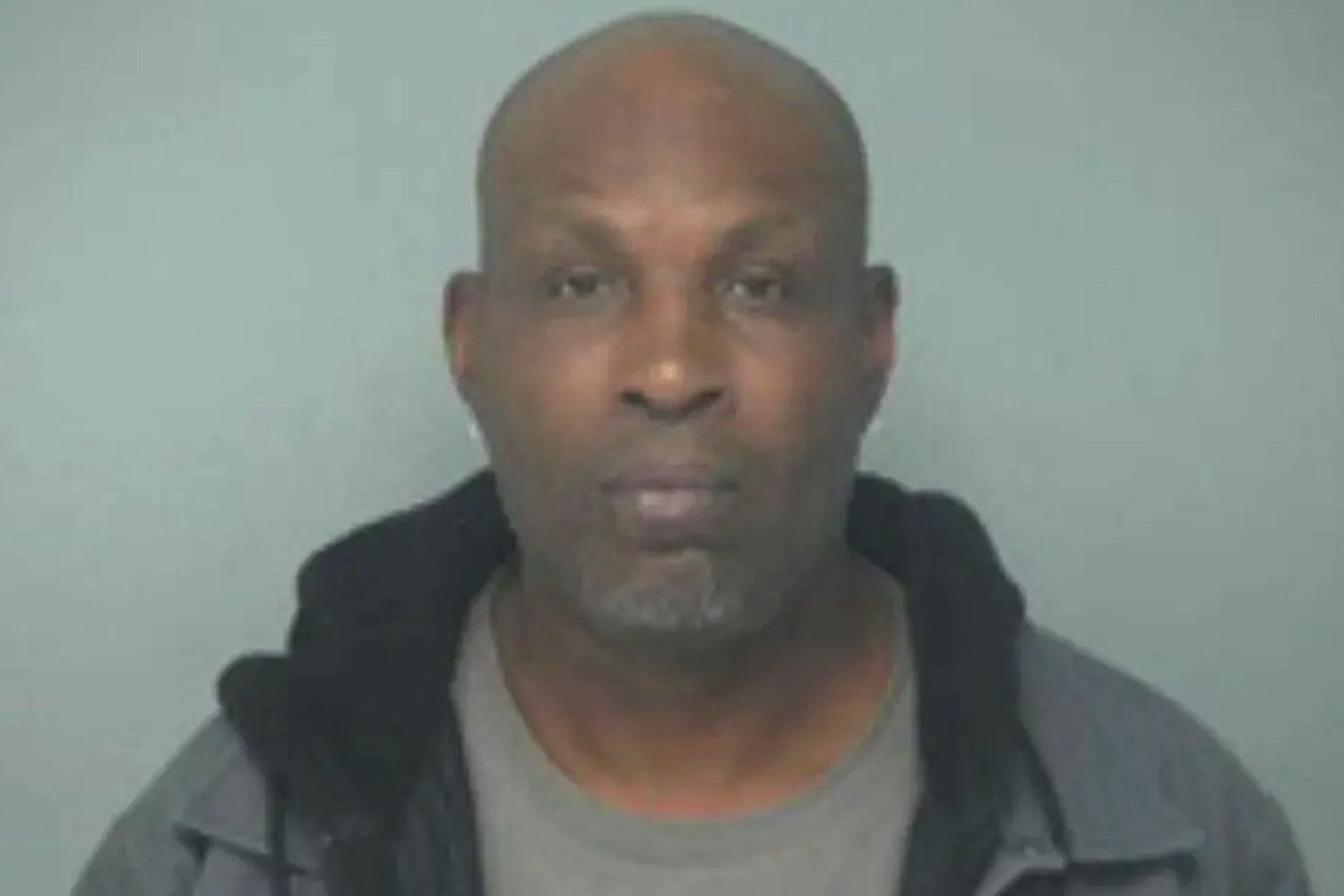
Mark Barton and the 1999 Atlanta Day-Trading Massacre
Overview
Mark Orrin Barton was responsible for a three-day sequence of murders that ended with mass shootings at two day-trading businesses in Atlanta, Georgia. Between July 27 and July 29, 1999, Barton murdered his wife and two children at their home in Stockbridge before killing nine people and wounding 13 others at Momentum Securities and the All-Tech Investment Group. He fled Atlanta after the shootings and died by suicide when police surrounded him later that evening.
The crimes combined familicide, workplace violence and a public shooting rampage. Twelve victims were murdered in total. Barton became the thirteenth person to die when he shot himself during the police confrontation. Investigators believed that severe financial losses, deteriorating personal relationships, depression and a growing sense of persecution contributed to his actions, although none of those circumstances explained or excused the deliberate murders.
Background of Mark Barton
Mark Orrin Barton was born on April 2, 1955. He was raised in a military family and spent part of his childhood in South Carolina. He attended Clemson University and the University of South Carolina before beginning a career that included work in chemistry and business-related positions.
Barton married Debra Spivey, and they had two children, Matthew David Barton and Mychelle Elizabeth Barton. The marriage deteriorated as Barton experienced employment problems, suspicious behavior and increasing hostility. In 1993, Debra and her mother, Eloise Spivey, were found beaten to death in Alabama. Barton was investigated as a suspect but was never charged because authorities said there was insufficient evidence to prosecute him. He repeatedly denied killing them.
Barton later received a substantial life-insurance settlement following Debra's death. In 1995, he married Leigh Ann Vandiver, with whom he had previously been involved. Barton eventually became heavily interested in day trading, particularly volatile technology and Internet-related stocks. Day traders attempted to make profits by buying and selling stocks during the same trading session, but the practice could also produce enormous losses within short periods.
During portions of his trading career, Barton reportedly earned significant profits. His financial position later collapsed. In the weeks before the murders, he lost approximately $105,000, and his account at Momentum Securities was closed. Barton appeared to blame trading-company employees and other people around him for his losses. Notes discovered after the murders demonstrated that he viewed himself as having been destroyed by the greed or actions of others.
The Murder of Leigh Ann Barton
The first confirmed murder occurred during the early morning of July 27, 1999, at the Barton family home in Stockbridge, Georgia. Barton killed his 27-year-old wife, Leigh Ann Vandiver Barton, while she was sleeping. Investigators determined that she had been struck repeatedly with a hammer.
Barton concealed Leigh Ann's body in the house and continued behaving in a manner intended to delay discovery of the crime. He later wrote that he blamed her, at least partly, for what he described as his personal and financial downfall. His written statements also contained declarations of love for his family, illustrating the disturbing contradiction between his words and his deliberate actions.
The Murders of Matthew and Mychelle Barton
On July 28, 1999, Barton murdered his two children from his first marriage. Matthew David Barton was 11 years old, and Mychelle Elizabeth Barton was 8. Both children were killed with a hammer inside the Stockbridge residence.
Barton placed blankets over the bodies and left written notes at the home. The notes acknowledged responsibility for killing Leigh Ann, Matthew and Mychelle. He wrote about religion, resurrection and his expectation that he would soon die. He also indicated that he intended to kill people whom he blamed for his financial destruction.
The children had no connection to Barton's investment losses or disputes with the trading firms. Their murders demonstrated that his violence was not limited to people he believed had harmed him professionally. He methodically eliminated his immediate family before preparing for the shootings in Atlanta.
The Momentum Securities Shooting
On Thursday, July 29, 1999, Barton drove from Stockbridge to Atlanta's Buckhead business district. He was armed with a .45-caliber Colt handgun and a 9mm Glock pistol. He also possessed additional firearms that were not used during the main attacks.
Barton first entered Momentum Securities, a day-trading office where he had previously traded. His arrival did not immediately create alarm because employees and traders recognized him. He reportedly spoke casually with people in the office before drawing his weapons and opening fire.
Four people were murdered at Momentum Securities: office manager Kevin Dial and traders Edward Quinn, Russell Brown and Scott Webb. Other people were shot and wounded, including Brad Schoemehl, who was struck several times at close range but survived.
The attack was rapid and calculated. Barton moved through the office while firing at people who had little or no opportunity to escape. He then left the building before police could contain the scene.
The All-Tech Investment Group Shooting
After leaving Momentum Securities, Barton walked to the nearby All-Tech Investment Group office at the Two Securities Centre complex. He had also conducted day-trading activities at All-Tech and knew members of its staff.
Barton asked to meet privately with company officials Brent Doonan and Scott Manspeaker. Administrative assistant Kathy Camp was also present. Once they were inside a private room, Barton produced his weapons and shot all three. Doonan and Manspeaker survived despite suffering serious injuries. Camp was critically wounded and permanently lost her sight.
Barton then moved into the firm's main trading area and continued firing. Five people were killed: Allen Charles Tenenbaum, Dean Delawalla, Joseph J. Dessert, Jamshid Havash and Vadewattee Muralidhara. Muralidhara was attending a computer course and was not one of the day traders Barton blamed for his losses.
Several additional victims were wounded as people hid behind desks, fled through doors or attempted to take cover. Across the two Atlanta offices, Barton fired approximately 39 rounds. Nine people were killed at the businesses, and 13 were injured.
Discovery of the Family Murders
Once Barton was identified as the Atlanta gunman, law-enforcement officers went to his Stockbridge residence. Inside, they discovered the bodies of Leigh Ann, Matthew and Mychelle. The evidence showed that the family had been murdered before Barton began his attacks against the trading firms.
Police also recovered Barton's notes. In addition to confessing to the three murders at the house, Barton wrote that he expected to die and intended to kill people he accused of contributing to his ruin. He specifically denied murdering his first wife, Debra Spivey, and her mother in 1993. His denial did not resolve the earlier case, and no criminal prosecution concerning those deaths was ever brought against him.
The Manhunt and Barton's Death
After fleeing the All-Tech office, Barton drove away in a minivan. Police agencies across the Atlanta metropolitan area began searching for him and released descriptions of both Barton and his vehicle.
Several hours after the shootings, Barton encountered a young girl in Kennesaw, Georgia. He threatened her and apparently attempted to take her hostage. She escaped and alerted authorities, providing police with crucial information about his location.
Officers soon spotted Barton's minivan and pursued him north toward Acworth. The chase ended at a gas station on Highway 92. Police surrounded the vehicle and ordered Barton to surrender. At approximately 8:20 p.m. on July 29, 1999, Barton used one of his handguns to shoot himself in the head. He died inside the minivan before he could be arrested or questioned.
Victims
- Leigh Ann Vandiver Barton, 27 — Murdered on July 27, 1999, at the Barton family residence in Stockbridge, Georgia. She was Mark Barton's second wife.
- Matthew David Barton, 11 — Murdered on July 28, 1999, at the Barton family residence in Stockbridge, Georgia. He was Barton's son from his first marriage.
- Mychelle Elizabeth Barton, 8 — Murdered on July 28, 1999, at the Barton family residence in Stockbridge, Georgia. She was Barton's daughter from his first marriage.
- Edward Quinn, 58 — Shot and killed on July 29, 1999, at Momentum Securities in Atlanta, Georgia. He was a day trader.
- Kevin Dial, 36 — Shot and killed on July 29, 1999, at Momentum Securities in Atlanta, Georgia. He was the office manager.
- Russell J. Brown, 42 — Shot and killed on July 29, 1999, at Momentum Securities in Atlanta, Georgia. He was a day trader.
- Scott A. Webb, 30 — Shot and killed on July 29, 1999, at Momentum Securities in Atlanta, Georgia. He was a day trader.
- Allen Charles Tenenbaum, 48 — Shot and killed on July 29, 1999, at the All-Tech Investment Group in Atlanta, Georgia. He was a day trader.
- Dean Delawalla, 52 — Shot and killed on July 29, 1999, at the All-Tech Investment Group in Atlanta, Georgia. He was a day trader.
- Joseph J. Dessert, 60 — Shot and killed on July 29, 1999, at the All-Tech Investment Group in Atlanta, Georgia. He was a day trader.
- Jamshid Havash, 45 — Shot and killed on July 29, 1999, at the All-Tech Investment Group in Atlanta, Georgia. He was a day trader.
- Vadewattee Muralidhara, 44 — Shot and killed on July 29, 1999, at the All-Tech Investment Group in Atlanta, Georgia. She was attending a computer course at the office.
Injured Survivors
Thirteen people survived injuries inflicted during the two office shootings. Among the most seriously wounded were Brent Doonan, Scott Manspeaker and Kathy Camp, who were shot after Barton drew them into a private room at All-Tech. Camp was permanently blinded. Brad Schoemehl survived after being shot three times at Momentum Securities.
The surviving victims faced extensive medical treatment, permanent disabilities and lasting psychological trauma. Employees and traders who escaped without physical injuries also endured the consequences of witnessing coworkers and friends being murdered inside what had previously been an ordinary workplace.
Motive and Warning Signs
Barton's financial losses were widely identified as a major factor behind the shootings, but the evidence revealed a broader pattern of instability. He had experienced employment conflicts, marital problems, depression, paranoia and a tendency to blame others for personal failures. The murders of his wife and children showed that his violence extended beyond a dispute over money.
His notes portrayed the trading businesses and certain employees as greedy people who had sought his destruction. In reality, day trading was inherently risky, and Barton's losses resulted from investment decisions made in an unpredictable market. The workers he targeted did not control the value of the stocks he purchased, and several victims had no significant personal connection to him.
The sequence of events also demonstrated planning rather than a momentary outburst. Barton murdered Leigh Ann two days before the office shootings, killed his children the following day, wrote explanatory notes, selected multiple firearms and traveled to two separate businesses. His actions unfolded over enough time for him to reconsider, yet he continued from one stage of the crime to the next.
Aftermath
The Atlanta day-trading massacre became one of the most notorious episodes of workplace violence in the United States during the 1990s. It occurred only three months after the Columbine High School massacre and contributed to national concern about mass shootings, firearm access and the identification of people exhibiting violent or suicidal behavior.
The killings also drew attention to the emotionally intense environment surrounding day trading during the technology-stock boom of the late 1990s. However, thousands of investors experienced severe market losses without becoming violent. Barton's crimes were the result of his own calculated decisions and cannot be attributed solely to financial pressure.
Memorial services were held for the victims, and the Atlanta business community struggled with the scale of the loss. Families mourned spouses, parents, children and friends whose lives had been taken without warning. Survivors continued to live with physical injuries and memories of the attacks long after the offices reopened or ceased operating.
Legacy of the Case
Mark Barton's crimes remain a significant example of the way domestic violence, workplace grievances, suicidal intent and mass murder can intersect. The first victims were members of his own family, killed privately before Barton carried his violence into public workplaces. His written accusations attempted to transfer responsibility to others, but the evidence established that he planned and executed every stage of the murders himself.
The case is remembered not only for the number of people killed but also for the different groups of victims Barton targeted. They included his wife, two young children, office employees, experienced traders and a computer student who happened to be present. Twelve innocent people died between July 27 and July 29, 1999, and many more were injured or permanently traumatized.
Barton's suicide prevented a trial and left many questions unanswered. Nevertheless, the chronology, physical evidence, eyewitness testimony and confessional notes created a clear account of his responsibility. The enduring focus of the case remains on the twelve victims and the families whose lives were permanently altered by the 1999 Stockbridge and Atlanta murders.