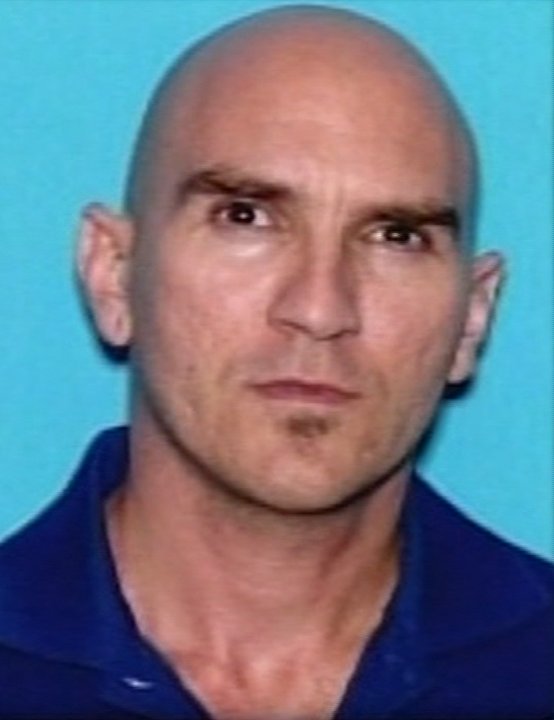
Nathan Dunlap and the 1993 Chuck E. Cheese Murders
Background
Nathan Jerard Dunlap was a 19-year-old former employee of a Chuck E. Cheese restaurant in Aurora, Colorado, when he carried out one of the state’s most notorious workplace mass murders. On the night of December 14, 1993, Dunlap entered the restaurant at 12293 East Iliff Avenue and remained there until after closing. He then shot five employees, killing four and seriously wounding one, before stealing money and fleeing.
Dunlap had worked as a cook at the restaurant beginning in May 1993. He was fired in July following a dispute involving his work schedule and conduct. Prosecutors later argued that Dunlap remained angry about losing his job and wanted revenge against the restaurant. According to testimony presented during the case, he had spoken about getting even after his termination, although the supervisor responsible for firing him was not working on the night of the murders.
The Night of the Murders
At approximately 9:00 p.m. on December 14, 1993, Dunlap entered the Chuck E. Cheese as an ordinary customer. He ordered food and spent time playing an arcade game while employees began preparing the restaurant for closing. Shortly before 10:00 p.m., he entered a restroom and concealed himself there while the remaining customers left.
After the restaurant closed, Dunlap emerged from the restroom carrying a .25-caliber semiautomatic pistol. The employees were performing their normal closing duties and had little warning that an attack was beginning. Dunlap moved through the restaurant, approaching the workers individually and shooting them at close range.
Sylvia Crowell, a 19-year-old employee, was cleaning the salad bar when Dunlap approached her. He shot her in the head at close range. Crowell was still alive when emergency personnel arrived and was transported to a hospital, but her injuries were catastrophic. She was declared brain-dead and died on December 15, 1993.
Seventeen-year-old Ben Grant was vacuuming a section of the restaurant when Dunlap shot him in the face. Grant died inside the restaurant. Dunlap then encountered 17-year-old Colleen O’Connor, who reportedly dropped to her knees and pleaded for her life. Dunlap shot her in the head, killing her.
Bobby Stephens, a 20-year-old kitchen employee, had briefly stepped outside during the closing process. When he returned, he heard noises but initially believed they were balloons being popped. While Stephens was working near the dishwasher, Dunlap entered the kitchen and shot him in the jaw. Stephens fell to the floor and remained motionless, convincing Dunlap that he was dead. Although critically injured, Stephens survived and later became an important witness against Dunlap.
The Murder of Manager Marge Kohlberg
Dunlap next confronted 50-year-old restaurant manager Marge Kohlberg. He forced Kohlberg into the office and ordered her to open the restaurant safe. After she complied, Dunlap shot her in the head. While removing money from the safe, he noticed that Kohlberg was still moving and shot her a second time, killing her.
Dunlap stole approximately $1,500 in cash along with restaurant game tokens and other property. He then left the building, leaving four employees dead or mortally wounded and Stephens lying injured in the kitchen.
After Dunlap fled, Stephens managed to get to his feet and escape through a rear door. Bleeding heavily from the gunshot wound to his jaw, he reached the nearby Mill Pond apartment complex and pounded on a resident’s door for help. Police officers and emergency medical personnel were called to the restaurant, where they discovered the victims in the hallways, work areas and manager’s office.
Victims
- Sylvia Crowell, 19 – Shot while cleaning the salad bar at the Chuck E. Cheese restaurant, 12293 East Iliff Avenue, Aurora, Colorado, on December 14, 1993. She died from her injuries on December 15, 1993.
- Ben Grant, 17 – Shot and killed while vacuuming inside the restaurant at 12293 East Iliff Avenue, Aurora, Colorado, on December 14, 1993.
- Colleen O’Connor, 17 – Shot and killed inside the restaurant at 12293 East Iliff Avenue, Aurora, Colorado, on December 14, 1993.
- Marge Kohlberg, 50 – The restaurant manager. She was forced to open the office safe before being shot and killed at 12293 East Iliff Avenue, Aurora, Colorado, on December 14, 1993.
Surviving Victim
- Bobby Stephens, 20 – Shot in the jaw inside the restaurant kitchen on December 14, 1993. He survived by remaining motionless until Dunlap left and later escaped to a nearby apartment complex to obtain help.
Investigation and Arrest
Investigators quickly focused on Dunlap because he was a former employee who knew the restaurant’s layout, closing procedures and safe location. Witnesses had also seen him in the restaurant before closing. Police recovered six spent cartridge casings from the crime scene and gathered physical evidence connecting the shootings to a .25-caliber handgun.
Dunlap was arrested at his mother’s apartment approximately 12 hours after the murders. Investigators recovered evidence linking him to the stolen property and the attack. Stephens survived his injuries and identified Dunlap as the gunman, giving prosecutors a living eyewitness who had encountered him inside the restaurant during the shooting.
Prosecutors maintained that the massacre was motivated by revenge and robbery. Dunlap’s familiarity with the business allowed him to remain inside until closing, approach employees while they were separated and obtain access to the restaurant safe. Evidence of his earlier statements about retaliating for his firing was also introduced during the proceedings.
Trial and Conviction
Dunlap’s murder trial began in 1996 in Arapahoe County, Colorado. The prosecution presented testimony from Stephens, former employees, police officers, forensic specialists and other witnesses. The evidence described how Dunlap entered the restaurant as a customer, hid until closing, systematically attacked the employees and stole money before leaving.
The defense raised issues involving Dunlap’s troubled childhood and mental health. Evidence showed that he had experienced instability, family violence and psychological problems while growing up. His attorneys argued that these circumstances should be considered when determining punishment. The jury nevertheless found that the murders were deliberate and aggravated by robbery, multiple victims and the killing of witnesses who could identify him.
Dunlap was convicted of four counts of first-degree murder, one count of attempted first-degree murder, robbery, burglary and related offenses. On May 17, 1996, he was sentenced to death by lethal injection. He also received an additional prison sentence of 108 years for the attempted murder of Stephens and the other crimes committed during the attack.
Appeals and Death Sentence Reprieve
Dunlap spent many years challenging his convictions and death sentence in state and federal courts. His attorneys argued that the trial defense had not adequately presented evidence concerning his mental illness, childhood abuse and psychological condition. Courts repeatedly rejected the major claims and upheld both the convictions and the death sentence.
An execution date was eventually scheduled for August 2013. On May 22, 2013, Colorado Governor John Hickenlooper issued a temporary reprieve. The order did not pardon Dunlap or overturn his convictions. It delayed the execution for as long as Hickenlooper remained governor and left open the possibility that a future governor could end the reprieve.
Commutation to Life Without Parole
On March 23, 2020, Colorado Governor Jared Polis signed legislation abolishing the death penalty for future prosecutions in the state. On the same date, Polis commuted the sentences of Dunlap and Colorado’s two other remaining death-row prisoners.
Dunlap’s death sentence was changed to life imprisonment without the possibility of parole. The commutation did not reduce his convictions, excuse the murders or provide any possibility of release. He remains responsible for four first-degree murder convictions, the attempted murder of Bobby Stephens and the robbery and burglary committed during the December 1993 attack.
Legacy of the Case
The Chuck E. Cheese murders caused widespread fear and grief in Aurora and throughout Colorado. The victims were employees completing routine closing duties when they were attacked by someone who understood their workplace and schedule. Three of those killed were teenagers, while Kohlberg was the restaurant’s manager and the oldest person working that night.
The case later became central to Colorado’s debate over capital punishment. Supporters of Dunlap’s execution pointed to the calculated nature of the attack, the number and ages of the victims and the shooting of employees who posed no threat. Opponents questioned the fairness and consistency of the death penalty and emphasized Dunlap’s mental health history and abusive upbringing.
Regardless of the later political and legal disputes, the central facts of the case remained unchanged. On December 14, 1993, Nathan Dunlap concealed himself inside an Aurora restaurant, attacked five employees, stole money and fled. Sylvia Crowell, Ben Grant, Colleen O’Connor and Marge Kohlberg lost their lives, while Bobby Stephens survived a severe gunshot wound and helped ensure that Dunlap was identified, prosecuted and convicted.