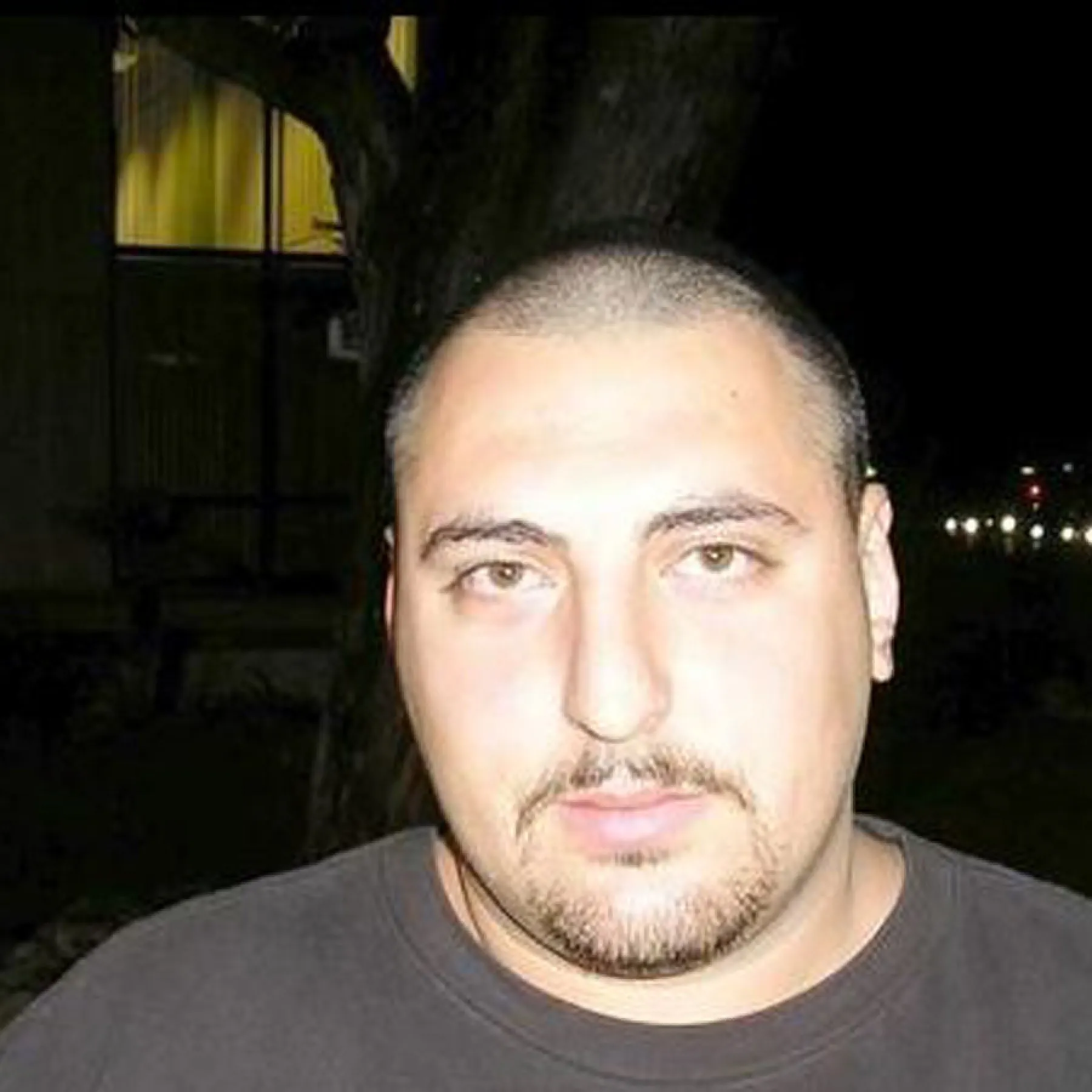
DeWitt Charles Henry and the 1977 Klamath Falls Massacre
Overview
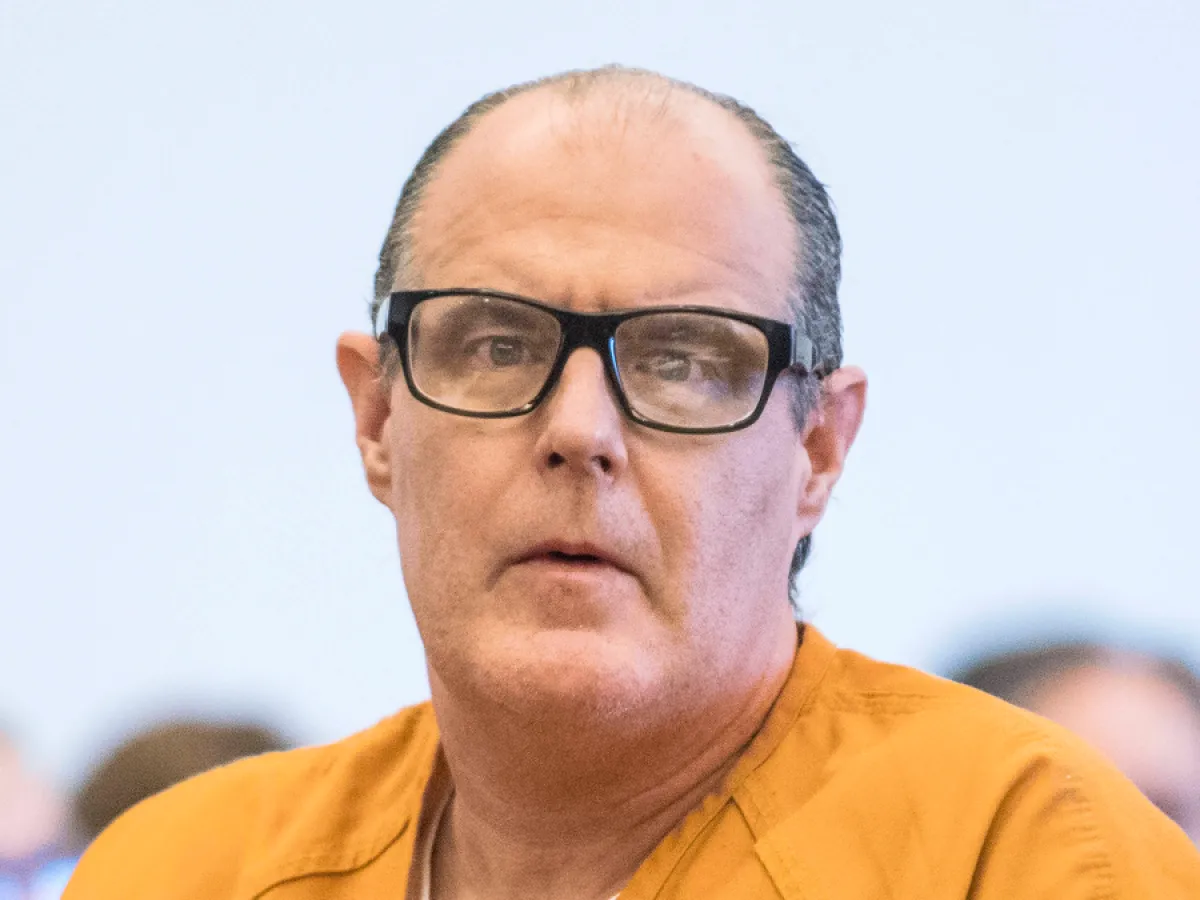
During the early morning hours of July 23, 1977, 26-year-old DeWitt Charles Henry carried out a mass shooting at a nightclub outside Klamath Falls, Oregon. Armed with a Colt AR-15 Sporter .223-caliber semiautomatic rifle, Henry opened fire on people gathered at Uncle Albert's Lounge, an establishment also remembered by local residents as Kitty's Steak Pit. Within a matter of minutes, six young adults had been killed, a pregnant victim's unborn child had also died, and two Oregon State Police troopers had been fired upon.
The massacre became one of the deadliest acts of mass murder in Oregon history at that time. The victims ranged in age from 23 to 27 and included a married couple, Carrol and Robert Seater. Carrol Seater was approximately eight months pregnant. The shooting devastated Klamath Falls and the nearby rural community of Bonanza, where several of the victims had attended school.
Henry's Background
DeWitt Henry was born in California and adopted as an infant by Andrea and Dewitt Henry of Bakersfield. By 1977, he was living in the Klamath Falls area. He had worked as a truck driver and had previously been employed as a bouncer at the same establishment he later attacked. At the time of the massacre, he was unemployed.
Henry was described as a physically imposing man, standing approximately six feet three inches tall and weighing about 230 pounds. He also had a history of serious personal and behavioral problems. Published accounts reported that he had previously been convicted of negligent homicide, although publicly available descriptions provide few details about that earlier death.
Information presented after the massacre indicated that Henry had abused drugs, had been discharged from the United States Navy for health reasons, and had attempted suicide approximately two months before the shooting. His marriage was also collapsing. His wife reportedly served him with divorce papers on July 22, 1977, the day before the killings.
The Argument at the Lounge
Late on July 22 and shortly after midnight on July 23, patrons and employees were gathered at Uncle Albert's Lounge, located on South Sixth Street near Klamath Falls. The establishment was a familiar gathering place rather than a location where anyone expected an eruption of mass violence.
According to later recollections, Henry became involved in an argument with a man named Bill Ransom over an unpaid bar bill. The dispute escalated when Ransom struck Henry. Henry left the immediate area, but the confrontation did not end with his departure.
James Williamson, who worked as a dishwasher at the establishment, later recalled encountering Henry as the situation developed. Henry warned Williamson to leave, telling him in substance that he had always liked him and that he should get out. Williamson recognized the danger in Henry's manner and left the building. The warning suggested that Henry was preparing to attack the people who remained behind.
The Shooting
At approximately 12:15 a.m. on July 23, Henry returned or positioned himself outside the lounge with the Colt AR-15 Sporter rifle. He began firing at patrons in and around the establishment. The semiautomatic weapon allowed him to discharge numerous high-velocity rounds in rapid succession.
The attack was sudden and indiscriminate. Six people were fatally shot. Several victims had little or no opportunity to escape as gunfire tore through the gathering. Carrol Ann Seater, who was approximately eight months pregnant, was killed along with her unborn child. Her husband, Robert, was also among the dead.
Michael Gene Mortensen, Gary Lee Anderson, Andrew Lane Walker and James Leroy Trueman were also killed. Most were residents of the Klamath Falls area, while Trueman was identified as being from Kodiak, Alaska. The victims were all young adults whose lives ended during what had begun as an ordinary night at a local lounge.
Victims of the July 23, 1977 Massacre
- Robert David Seater — Age 26. Robert was killed on July 23, 1977, at Uncle Albert's Lounge near Klamath Falls, Oregon. He was the husband of Carrol Ann Seater and was a resident of the Klamath Falls area.
- Carrol Ann Seater — Age 23. Carrol was killed on July 23, 1977, at Uncle Albert's Lounge near Klamath Falls. She was approximately eight months pregnant. Her unborn child also died in the shooting.
- Michael Gene Mortensen — Age 23. Michael was killed during the July 23, 1977 shooting at Uncle Albert's Lounge near Klamath Falls, Oregon.
- Gary Lee Anderson — Age 27. Gary was killed during Henry's attack on July 23, 1977, at the lounge near Klamath Falls.
- Andrew Lane Walker — Reported as age 22 or 23 in different accounts. Andrew was killed on July 23, 1977, at Uncle Albert's Lounge. He was associated with Medford and the Klamath Falls area in published reports.
- James Leroy “Jimbo” Trueman — Age 25. James was killed on July 23, 1977, at Uncle Albert's Lounge near Klamath Falls. He was identified as being from Kodiak, Alaska.
- Carrol Seater's unborn child — Carrol was approximately eight months pregnant when she was shot. Although Henry was prosecuted for six murders, the death of the unborn child is frequently included when the total loss of life from the massacre is described.
Confrontation with State Troopers
Law-enforcement officers responding to the gunfire encountered an armed and dangerous attacker. Henry fired at two Oregon State Police troopers, creating a separate exchange of gunfire beyond the murders inside and around the lounge.
The troopers returned fire and wounded Henry. He was then taken into custody. The confrontation prevented him from continuing the attack or escaping with the rifle. The shots directed at the troopers later formed the basis of two attempted-murder charges.
Henry survived his injuries and was transported for medical treatment under guard. Investigators recovered the rifle and began documenting the extensive crime scene. The number of victims and the concentrated nature of the shooting immediately established the case as an unprecedented tragedy for the Klamath Falls region.
Community Impact
The massacre caused profound grief throughout Klamath County. Four of the people killed reportedly had connections to Bonanza High School, making the deaths particularly devastating in the small community of Bonanza. Families who knew one another through school, work and local social circles were suddenly mourning multiple victims from the same attack.
The deaths of Robert and Carrol Seater were especially painful because the couple and their unborn child were lost together. The killing left surviving relatives to cope not only with two murders but with the destruction of a young family and the future they had expected to share.
For decades, the Uncle Albert's Lounge killings were remembered as the worst mass murder in Oregon history. The location remained associated with the crime long after the business changed names or closed. Residents who had been present in Klamath Falls in 1977 continued to recall the shooting as one of the darkest events in the area's history.
Legal Proceedings
The prosecution of Henry was delayed by legal and competency-related proceedings. His case reached the Oregon Court of Appeals before the final trial was conducted. The litigation involved questions concerning his mental condition and the procedures used to determine whether he could be held criminally responsible.
Henry was eventually tried in Multnomah County Circuit Court in November 1979. The trial was moved away from Klamath County because of the extraordinary publicity and the likelihood that many prospective jurors in the local area had personal knowledge of the victims or the crime.
Henry pleaded not guilty on the basis of a claimed mental defect. His attorneys attempted to convince the jury that his psychological condition prevented him from being held fully responsible for the massacre. Prosecutors presented the killings as a deliberate act carried out after Henry's argument at the lounge and his warning to Williamson to leave.
The jury rejected the mental-defect defense. Henry was convicted of six counts of first-degree murder for the deaths of the six adult victims. He was also convicted of two counts of attempted murder for firing at the responding state troopers.
Sentence
Henry received six consecutive life sentences. By ordering the sentences to run consecutively rather than at the same time, the court imposed a separate life term for each murder victim. Oregon did not have an enforceable death penalty available for the case, so capital punishment was not an option.
The sentence ensured that Henry would remain imprisoned for the killings. He spent decades in the Oregon prison system, including time at the Oregon State Penitentiary. Later correctional records continued to list him as incarcerated under the authority of the Oregon Department of Corrections.
Legacy of the Crime
The July 23, 1977 massacre is notable not only for its number of victims but also for Henry's use of a Colt AR-15 Sporter. The weapon was a civilian semiautomatic version of the military-style rifle and was far less commonly associated with mass shootings in 1977 than similar rifles would become in later decades.
The historical significance of the weapon, however, does not overshadow the human loss. Robert and Carrol Seater, Michael Mortensen, Gary Anderson, Andrew Walker and James Trueman were individuals with families, friends and communities. Their deaths created wounds that endured long after Henry was convicted and removed from society.
What began as an argument over a bar bill escalated into a calculated return with a rifle and the killing of six people. Henry's warning to one employee, his acquisition of the weapon and his attack on those who remained demonstrated that the massacre was more than a spontaneous fistfight that went too far. It became an intentional eruption of lethal violence followed by an armed confrontation with police.
DeWitt Charles Henry's name remains connected to one of the most devastating crimes in Klamath Falls history. The case is remembered as a stark example of how personal anger, instability and access to a powerful firearm combined to destroy numerous lives within minutes. The lasting focus, however, belongs to the victims and the families who were forced to continue without them after July 23, 1977.