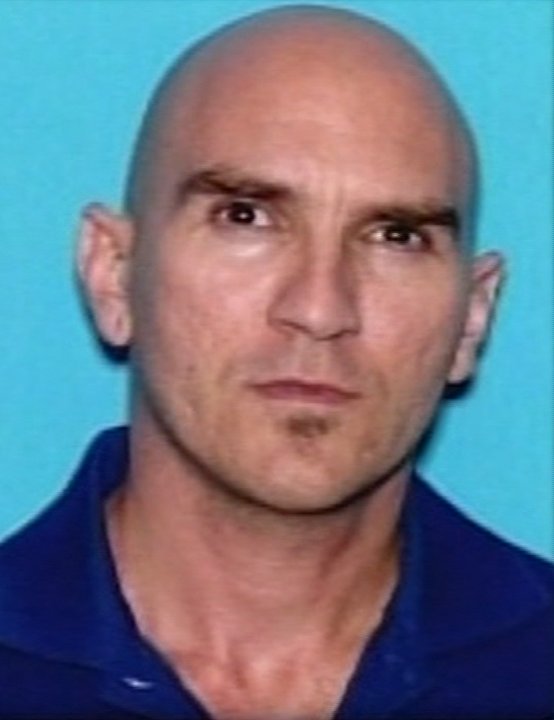
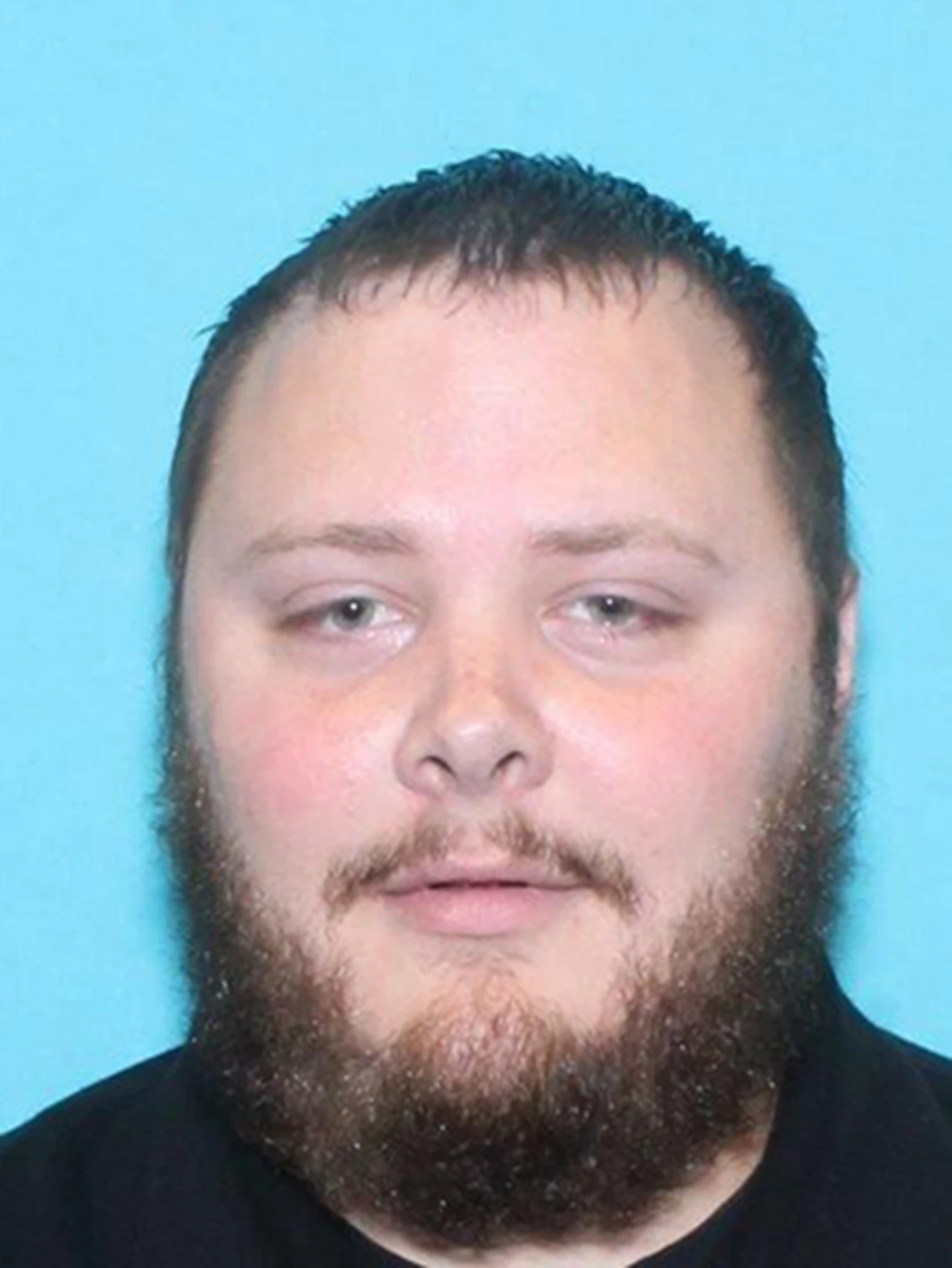
Gian Luigi Ferri and the 1993 101 California Street Massacre
Background
Gian Luigi Ferri was a 55-year-old failed real-estate investor and businessman who carried out a mass shooting inside the 101 California Street office tower in San Francisco, California. The attack occurred on July 1, 1993, and became one of the deadliest workplace shootings in the history of the city. Ferri murdered eight people during the attack, wounded six others, and then died by suicide as police officers closed in on him.
Ferri was born Gianluigi Ettore Ferri on December 29, 1937. By 1993, his business ventures had largely collapsed, and he was facing serious financial problems. He had become increasingly resentful toward attorneys, government agencies, former business associates, and others whom he blamed for his failures. Although he selected the offices of the law firm Pettit & Martin as the principal scene of his attack, investigators never established that any of the people he shot had personally caused his financial difficulties.
Connection to Pettit & Martin
Pettit & Martin occupied offices on several upper floors of the 48-story tower at 101 California Street. Ferri had contacted the firm in approximately 1981 regarding real-estate matters involving property outside California. The firm reportedly referred him to other legal counsel because it was unable to represent him in those matters. There was no significant continuing relationship between Ferri and the firm during the following 12 years.
Despite this limited connection, Ferri apparently came to regard Pettit & Martin as one of several organizations responsible for his business and personal problems. His decision to attack the firm appears to have emerged from a broader hostility toward lawyers rather than a specific dispute with the employees and visitors who were present on July 1, 1993.
Preparation for the Attack
Ferri arrived at 101 California Street carrying three semiautomatic firearms: two Intratec TEC-DC9 pistols and a .45-caliber Norinco M1911-style handgun. He carried a large supply of ammunition, including hollow-point cartridges designed to expand after striking a target. The TEC-DC9 pistols were equipped with trigger-assistance devices that allowed them to be fired rapidly.
He also brought a typed, four-page letter containing complaints against lawyers, government agencies, businesses, lobbyists, and numerous individuals. The document was written largely in capital letters and contained misspellings, grammatical errors, accusations, and statements reflecting an increasingly disorganized state of mind. Ferri claimed that lawyers had ruined him and made unusual allegations that he had been harmed or poisoned by monosodium glutamate. None of the people he ultimately shot appeared on the long list of individuals named in the letter.
The Shooting Begins
At approximately 2:57 p.m. on Thursday, July 1, 1993, Ferri entered the 101 California Street skyscraper in San Francisco’s Financial District. He rode an elevator toward the offices of Pettit & Martin. The firm’s primary reception area was on the 35th floor, but the elevator stopped on the 34th floor after an employee summoned it.
After stepping out of the elevator, Ferri put on hearing protection and began firing. He entered areas where attorneys, secretaries, clients, witnesses, and other employees were conducting ordinary afternoon business. The attack was sudden, and many of those present initially had no opportunity to understand what was happening or where the gunfire was coming from.
One of the first areas attacked was a conference room where attorneys were conducting a deposition connected to an employment-discrimination lawsuit. Ferri opened fire on the people gathered there. Jody Jones Sposato, the plaintiff in the lawsuit, and her attorney, Jack Berman, were killed. Sharon Jones O’Roke, an attorney representing the opposing side, and court reporter Deanna Eaves were wounded.
The Attack Through the Building
Ferri moved through the 34th-floor offices, firing into conference rooms, hallways, work areas, and offices. He then used an internal staircase to travel between floors and continued shooting. Employees attempted to hide beneath desks, barricade doors, escape through stairwells, or warn colleagues by telephone.
Attorney John Scully was in his office with his wife, Michelle Scully, who had joined him for lunch. When Ferri entered the area, Scully reportedly pushed his wife beneath a desk and placed himself between her and the gunman. John Scully was fatally shot while shielding her. Michelle Scully was wounded but survived.
Ferri did not restrict his attack to people employed by Pettit & Martin. He also shot workers and visitors associated with other businesses inside the tower. Shirley Mooser and Donald “Mike” Merrill, both connected to the Trust Company of the West, were killed. Deborah Fogel, a legal secretary employed by Davis Wright Tremaine, was also murdered. The indiscriminate nature of the shooting demonstrated that Ferri was attacking people simply because they were present in the building.
Witnesses described confusion as gunshots echoed through the tower and emergency alarms were activated. Some victims remained motionless to avoid attracting Ferri’s attention. Others attempted to assist the wounded despite the continuing danger. Police officers entered the building and began moving upward as employees fled toward lower floors.
Ferri’s Death
As San Francisco police officers approached his location, Ferri realized that escape was unlikely. He entered a stairwell and used one of his handguns to shoot himself. He died at the scene on July 1, 1993. The shooting had lasted only several minutes, but Ferri had killed eight people and wounded six others before taking his own life.
A ninth victim, Brian F. Berger, survived serious gunshot wounds to his chest and arm during the attack. Berger died in 1995 at the age of 41. His death was later publicly attributed to the injuries he had suffered in the 1993 shooting, increasing the number of victims whose deaths were connected to Ferri’s attack to nine.
Victims Killed on July 1, 1993
- Allen J. Berk, 52 — Killed on July 1, 1993, inside the offices of Pettit & Martin at 101 California Street in San Francisco, California. Berk was a partner at the firm and practiced labor law.
- Jack Berman, 36 — Killed on July 1, 1993, while attending a deposition at Pettit & Martin, 101 California Street, San Francisco. Berman was an attorney representing Jody Jones Sposato and was also known for his civic and charitable work.
- Deborah Fogel, 33 — Killed on July 1, 1993, at 101 California Street in San Francisco. Fogel was a legal secretary employed by the law firm Davis Wright Tremaine.
- Donald “Mike” Merrill, 48 — Killed on July 1, 1993, at 101 California Street in San Francisco. Merrill worked for the Trust Company of the West and had experience as an energy-industry consultant.
- Shirley Mooser, 64 — Killed on July 1, 1993, at 101 California Street in San Francisco. Mooser was a secretary with the Trust Company of the West.
- John Scully, 28 — Killed on July 1, 1993, inside Pettit & Martin’s offices at 101 California Street. Scully was an attorney with the firm and was fatally shot while protecting his wife, Michelle.
- Jody Jones Sposato, 30 — Killed on July 1, 1993, in a conference room at Pettit & Martin. Sposato was attending a deposition connected to a sex-discrimination lawsuit against her employer.
- David Sutcliffe, 30 — Killed on July 1, 1993, at 101 California Street in San Francisco. Sutcliffe was a University of Colorado law student working as a summer intern at Pettit & Martin.
Victim Who Later Died
- Brian F. Berger, 39 at the time of the shooting — Seriously wounded in the chest and arm on July 1, 1993, at 101 California Street. Berger died at his home in 1995 at the age of 41. His death was subsequently attributed to complications from the wounds he suffered during Ferri’s attack.
Surviving Wounded Victims
- Sharon Jones O’Roke, 35 — Wounded on July 1, 1993, in the Pettit & Martin conference room. She was an attorney for Electronic Data Systems and was participating in Jody Jones Sposato’s deposition.
- Michelle Scully, 27 — Wounded on July 1, 1993, while visiting her husband, John Scully, for lunch at the firm’s offices.
- Deanna Eaves, 33 — Wounded on July 1, 1993, while working as the court reporter for the deposition involving Jody Jones Sposato.
- Victoria Smith, 41 — Wounded during the July 1, 1993, shooting at 101 California Street.
- Charles Ross, 42 — Wounded during Ferri’s attack inside the office tower on July 1, 1993.
Investigation and Motive
Investigators examined Ferri’s financial history, business disputes, firearms, personal records, and written complaints. They found that he had suffered business failures and was preparing to seek bankruptcy protection. He appeared to believe that lawyers and other professionals had exploited him or prevented him from succeeding.
Nevertheless, authorities could not identify a rational motive for murdering the particular people inside 101 California Street. Most of the victims had never met Ferri and had no role in his business affairs. Even the law firm he blamed had only briefly dealt with him more than a decade earlier. His four-page letter offered evidence of resentment and paranoia but did not provide a coherent explanation for the selection of his victims.
Legal and Legislative Aftermath
The massacre generated intense debate over semiautomatic firearms, large-capacity magazines, ammunition, workplace security, and the responsibility of gun manufacturers. Families of the victims pursued civil litigation against companies connected to the weapons used by Ferri. The resulting legal proceedings became an important part of the national debate over whether firearm manufacturers could be held liable when their products were used in mass shootings.
The attack also contributed to political support for restrictions on certain semiautomatic weapons. California Senator Dianne Feinstein frequently cited the 101 California Street massacre while advocating for federal firearms legislation. In 1994, Congress enacted a federal prohibition covering certain weapons classified as assault weapons and some large-capacity ammunition magazines. That federal prohibition contained an expiration provision and ended in 2004.
Impact on Pettit & Martin
The massacre devastated Pettit & Martin. Employees had witnessed colleagues, clients, and visitors being murdered within their workplace. The firm faced the emotional consequences of the killings while also dealing with disrupted operations, security concerns, and the continuing attention generated by the investigation and lawsuits.
Pettit & Martin later dissolved. Although the firm had experienced business difficulties before the shooting, the trauma and disruption caused by Ferri’s attack contributed to its decline. The name of the firm became permanently associated with the massacre rather than its decades of legal work.
Memorial and Legacy
A memorial garden in the plaza at 101 California Street was dedicated to the victims. The site provides a place of remembrance for the attorneys, office workers, clients, and visitors whose lives were taken or permanently altered on July 1, 1993.
The massacre remains a defining event in San Francisco’s history. Ferri entered an ordinary office building carrying legally obtained semiautomatic firearms and transformed several floors into a scene of panic and death. His victims were not selected because of personal conflicts with him. They were employees and visitors carrying out routine professional responsibilities when they encountered a gunman consumed by resentment and delusional grievances.
Although the attack is commonly described as having caused eight murders, the later death of Brian F. Berger means that nine victims ultimately died from injuries associated with the shooting. Ferri’s suicide brought the total number of deaths connected to the massacre to ten. The case continues to be remembered for its effect on victims’ families, workplace-security practices, civil litigation involving gun manufacturers, and the national debate over semiautomatic firearms.