Victor Belmonte Jr. and the 1980 Coraopolis Mass Murder
Background
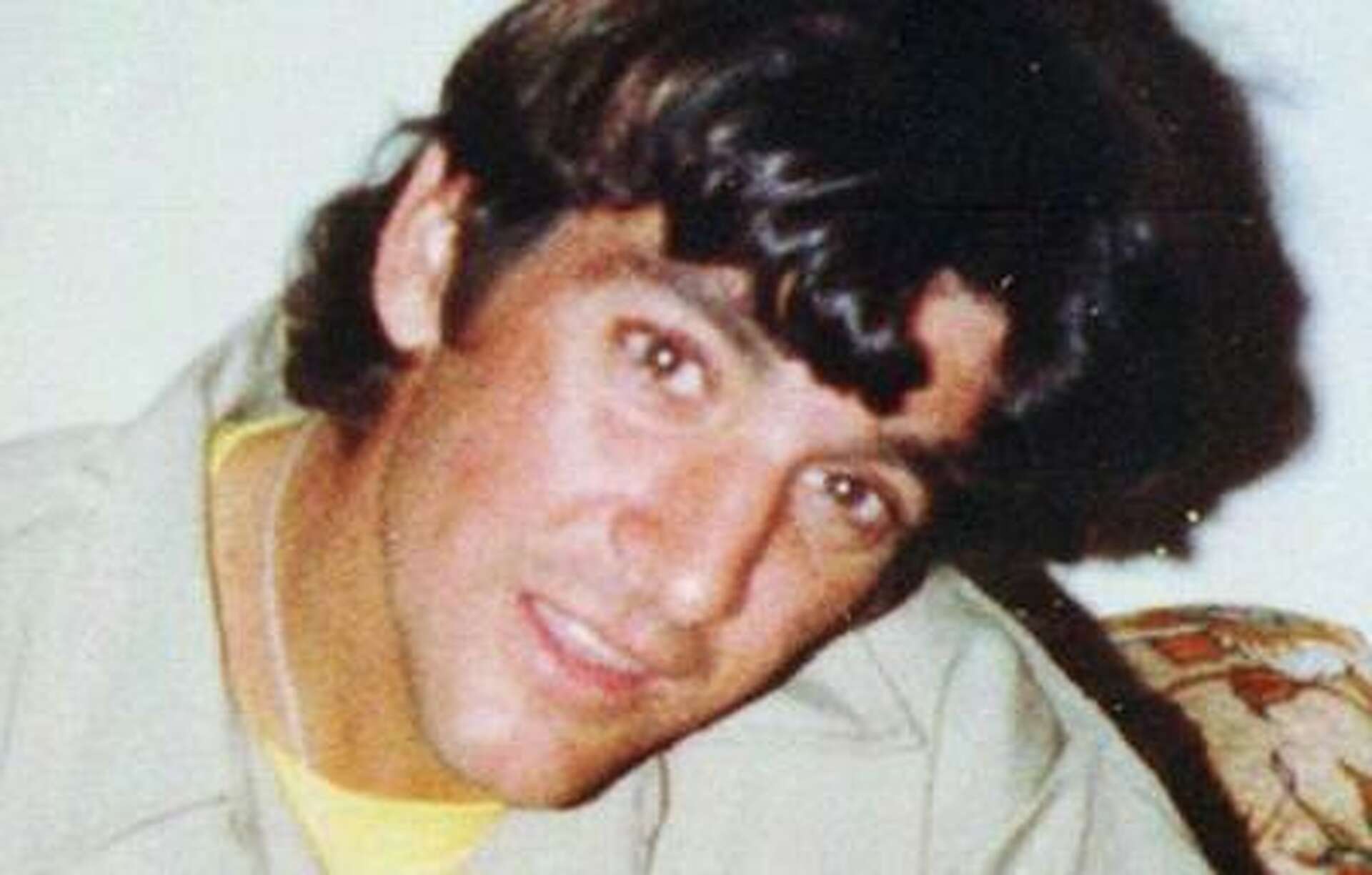
Victor R. Belmonte Jr. was 23 years old when he carried out a deadly sniper-style attack in Coraopolis, Pennsylvania, on July 21, 1980. He came from a close-knit local family and was generally described as quiet, intelligent and introverted. His father was a member of the Coraopolis Borough Council, and Belmonte had known many of the people living near the family home for most of his life.
Belmonte had experienced difficulties in college and later lost a civilian job. He subsequently enlisted in the United States Army, where he appeared to find a sense of purpose and structure. He served in a military intelligence unit responsible for monitoring and intercepting Warsaw Pact troop communications. The sensitive nature of his work required an unusually high security clearance.
His Army duties also included firearms training and defensive exercises in which soldiers prepared positions against simulated enemy attacks. Belmonte reportedly took these responsibilities seriously and used military terminology even during ordinary conversations. He was honorably discharged from active military service and obtained a civilian position with the Army near Pittsburgh.
Psychological Deterioration
Belmonte’s mother developed cancer, prompting his transfer back to the Pittsburgh area in March 1979. She died during the spring of 1980. In the months surrounding her illness and death, Belmonte became increasingly withdrawn, isolated and emotionally unstable.
In July 1980, Belmonte attended Army summer training at Fort Indiantown Gap in central Pennsylvania. He became severely uncomfortable while at the camp and abruptly left on the morning of July 20, 1980. He walked toward Pittsburgh for approximately ten hours before obtaining a ride for part of the journey and taking a train the remaining distance.
After reaching downtown Pittsburgh, Belmonte boarded a bus for Coraopolis. An old friend reportedly greeted him at the bus stop, but Belmonte did not acknowledge the person. His behavior suggested that he was deeply preoccupied and increasingly disconnected from those around him.
The July 21, 1980 Shooting
On July 21, 1980, Coraopolis was experiencing extremely hot summer weather, with temperatures reported near 95 degrees. Several neighborhood residents were outside their homes along Ridge Avenue when Belmonte arrived at his father’s house and found it empty.
Belmonte took a shower and drank a glass of milk. He then reportedly became frightened and developed the belief that hostile people were closing in on the house. Believing that an enemy attack was imminent, he gathered and loaded several firearms, including a .35-caliber Marlin lever-action rifle.
He carried the weapons to the upper portion of the house and positioned himself near a third-floor or attic window overlooking the residential street. From this elevated position, Belmonte began firing at neighbors outside their homes. The victims were not strangers. Most were longtime residents whom he had known personally and with whom he had previously been friendly.
Five people were struck by the gunfire. Four were killed, and one was wounded. The sudden shots caused panic throughout the neighborhood as residents attempted to understand where the bullets were coming from and find protection.
Victims
- Dorothy Louise “Birdy” Glaser, 59 – Fatally shot on July 21, 1980, along Ridge Avenue in Coraopolis, Allegheny County, Pennsylvania.
- Joseph Andrew Olinger, approximately 70 – Fatally shot on July 21, 1980, while outside in the Ridge Avenue neighborhood of Coraopolis, Pennsylvania.
- Andrew Price, 25 – Fatally shot on July 21, 1980, during the attack on residents along Ridge Avenue in Coraopolis, Pennsylvania.
- Lois M. Kennedy Sima, 57 – Fatally shot on July 21, 1980, near her home in the Ridge Avenue neighborhood of Coraopolis, Pennsylvania.
- Joseph Sima – Shot and wounded in the arm on July 21, 1980, during the same attack in Coraopolis, Pennsylvania. He survived.
Belmonte’s Actions After the Murders
After shooting the five neighbors, Belmonte descended from the upper floor of the house. He placed his firearms near the front door in an orderly arrangement rather than leaving them scattered around the room. He then went outside, entered his automobile and drove away from Coraopolis.
Belmonte drove around for approximately an hour. He did not report to the nearby Army facility where he worked, despite later claiming that he had believed he was defending a military position from an enemy. Instead, he eventually drove to the Pennsylvania State Police barracks in Carnegie.
At approximately 7:15 p.m., Belmonte entered the barracks and approached the desk. Radio operator Elizabeth Blumer was taking a telephone call and signaled for him to wait. Belmonte reportedly remained calm and patient until she finished the conversation.
When Blumer and Corporal John Kutchman asked what he wanted, Belmonte calmly stated that he had just shot four people. He showed little visible nervousness and peacefully accompanied the corporal into a private room.
Confession and Military Delusion
Police advised Belmonte of his constitutional rights. He waived those rights and described the shootings. During his statement, he used language associated with his military training, telling investigators that they had met the enemy at their position in Coraopolis.
Allegheny County homicide detectives took custody of Belmonte and again informed him of his rights. At approximately 10:15 p.m., he gave a more detailed statement. Investigators reported that he remained calm, understood their questions and responded appropriately.
Belmonte acknowledged that he had fired from the family home and that people had been struck. Although he referred to the victims as an enemy force, he did not resist arrest or protest when detectives told him that he was being charged with criminal homicide.
Mental Health Examinations
The central issue in Belmonte’s criminal case was whether he had been legally insane at the time of the murders. His attorneys argued that the death of his mother, his increasing isolation and his military experiences had contributed to a severe psychotic break.
Psychiatrists retained by the defense concluded that Belmonte had been suffering from serious mental illness. The defense maintained that he had mentally recreated a battlefield situation and genuinely believed that he was defending the house against an enemy attack.
On December 30, 1980, a judge ordered Belmonte committed to Farview State Hospital for a 90-day psychiatric evaluation. He was eventually found competent to stand trial. Competency meant that he was able to understand the proceedings and assist his attorneys; it did not automatically resolve whether he had been legally insane during the attack.
Trial and Insanity Defense
Belmonte did not deny firing the shots. His sole defense was legal insanity. Three psychiatric experts offered testimony supporting the position that he had been insane when he killed his neighbors.
Army Staff Sergeant Curtis Tipton, one of Belmonte’s closest military friends, testified about his personality and training. Tipton described him as a quiet perfectionist who took his intelligence work and defensive responsibilities more seriously than many other soldiers. He also explained that Belmonte’s statement about meeting an enemy was consistent with terminology used during military exercises.
The prosecution did not rely on psychiatric experts to prove that Belmonte was legally sane. Instead, prosecutors emphasized his organized behavior before and after the shootings. He had placed his weapons neatly near the door, driven away, surrendered voluntarily, waived his rights and accurately described what he had done.
Investigators also testified that Belmonte knew the difference between right and wrong during questioning. Prosecutors argued that his calm surrender and his failure to protest the homicide charges demonstrated that he understood the nature and wrongfulness of his actions, even if he was severely mentally disturbed.
Verdict and Sentence
A jury rejected Belmonte’s insanity defense and convicted him of four counts of third-degree murder. He was acquitted of the attempted-murder and aggravated-assault charges associated with the surviving victim.
On November 22, 1982, Belmonte was sentenced to two consecutive prison terms of 10 to 20 years. Two additional sentences of 10 to 20 years were ordered to run concurrently. The structure of the sentence produced an effective prison term of 20 to 40 years.
Appeals
Belmonte appealed his convictions, arguing that the prosecution had failed to prove that he was legally sane at the time of the murders. His attorneys also challenged portions of the prosecution’s questioning and the instructions given to the jury.
In November 1985, the Pennsylvania Superior Court affirmed the convictions. The court acknowledged that there was strong evidence that Belmonte had been mentally disturbed. However, it ruled that mental illness alone did not establish legal insanity.
Under Pennsylvania law, Belmonte could be found legally insane only if he did not understand the nature of his actions or did not know that his actions were wrong. The appellate court concluded that the jury had been entitled to rely on Belmonte’s behavior, statements and cooperation with police when determining that he remained legally responsible.
Impact on Coraopolis
The murders shocked Coraopolis because the gunman and victims were longtime members of the same neighborhood. Belmonte had not attacked anonymous people in a distant public location. He fired from his family home at familiar residents who were spending a summer evening outside houses near his own.
The case became particularly notable because of the conflict between the extensive evidence of mental illness and the strict legal definition of insanity. Medical experts believed that Belmonte had experienced a profound psychotic episode, yet the jury determined that he still understood what he was doing and knew that it was wrong.
The four victims killed on July 21, 1980, left families and neighbors to cope with a sudden act of violence in what had been a familiar residential community. The surviving victim, Joseph Sima, endured a gunshot wound while also losing his wife, Lois, during the attack. The Coraopolis shootings remain a tragic example of mass violence involving psychological deterioration, military delusions and the killing of people whom the perpetrator had known for years.