Richard McCroskey and the 2009 Farmville Murders
Overview of the Case
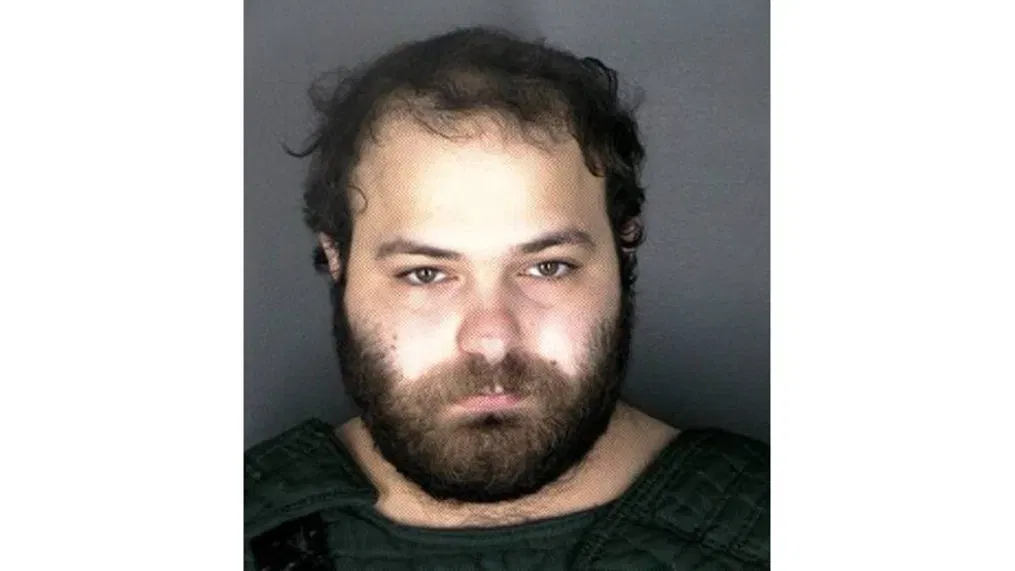
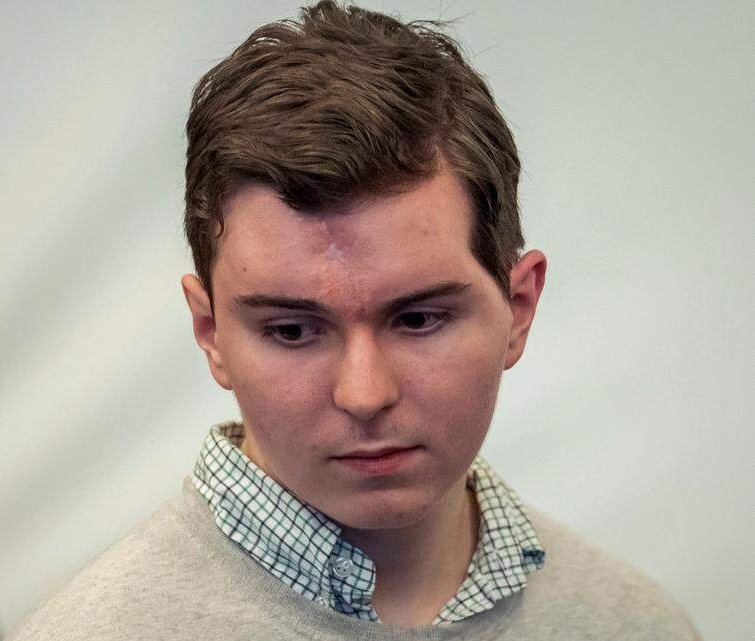
Richard Alden Samuel McCroskey III was responsible for the murders of four people inside a residence at 505 First Avenue in Farmville, Virginia, in September 2009. The victims were 16-year-old Emma Niederbrock, her parents, Debra Kelley and Mark Niederbrock, and Emma's 18-year-old friend, Melanie Wells. The killings became widely known as the Farmville murders.
McCroskey, who was 20 years old at the time, had traveled from Castro Valley, California, to Virginia to visit Emma. The two had met through the internet and communicated through social-networking websites and their shared interest in horrorcore music, a form of rap that frequently uses fictional themes involving violence, death and horror. McCroskey performed under the name “Syko Sam.” Although his music and online persona later attracted considerable public attention, prosecutors presented the murders primarily as the result of his anger and emotional distress over his deteriorating relationship with Emma.
McCroskey's Relationship with Emma Niederbrock
McCroskey and Emma developed an online relationship before meeting in person. In September 2009, he traveled across the country to stay with Emma and her mother at their home in Farmville. Melanie Wells, one of Emma's friends from West Virginia, was also visiting the residence.
During McCroskey's visit, the group traveled to Michigan for the Strictly for the Wicked Festival, a horrorcore music event. Debra Kelley and Mark Niederbrock accompanied the teenagers on the trip. According to the prosecution's later account, McCroskey became increasingly upset during and after the journey because he believed he and Emma were in an exclusive romantic relationship. He reportedly became angry about messages Emma exchanged with another person and concluded that she did not feel as strongly about him as he felt about her.
After the group returned to Farmville, McCroskey remained at the First Avenue residence. Prosecutors said his resentment continued to build until he decided to attack the people inside the home.
The First Three Murders
According to the account presented when McCroskey entered his guilty pleas, he attacked Melanie Wells, Debra Kelley and Emma Niederbrock during the early morning hours of September 14, 2009. The three victims were asleep or otherwise defenseless when the attacks began.
McCroskey first attacked Melanie, who was sleeping on a sofa in a first-floor den. He repeatedly struck her with a splitting maul, a heavy tool resembling an axe that is normally used to split wood. He then went upstairs and killed Debra Kelley. Emma was killed in her downstairs bedroom. Each victim suffered severe blunt-force injuries to the head.
Investigators reported that the victims had no significant defensive wounds, indicating that they were likely taken by surprise and were unable to mount an effective resistance. The attacks occurred within a relatively short period, but McCroskey remained in the residence with the bodies for several days.
The Murder of Mark Niederbrock
Mark Niederbrock, Emma's father and Debra Kelley's former husband, was not in the house when the first three killings occurred. He arrived at the residence at approximately 5:00 p.m. on September 17, 2009. McCroskey attacked him in the living room and killed him with the splitting maul.
McCroskey subsequently moved Mark's body and Melanie's body into Emma's bedroom, where Emma had been killed. He also attempted to clean portions of the residence, particularly the den where Melanie had initially been attacked. The movement of the bodies and the attempted cleanup demonstrated that he had spent considerable time inside the home after the killings and had taken steps to conceal what had occurred.
Victims of the Farmville Murders
- Melanie Nadine Wells, 18 — Killed during the early morning hours of September 14, 2009, at 505 First Avenue in Farmville, Virginia. Melanie was visiting Emma Niederbrock from Inwood, West Virginia. She was attacked while sleeping on a sofa in a downstairs den.
- Debra Sue Kelley, 53 — Killed during the early morning hours of September 14, 2009, inside her Farmville home. Kelley was an associate professor of sociology and criminal justice studies at Longwood University.
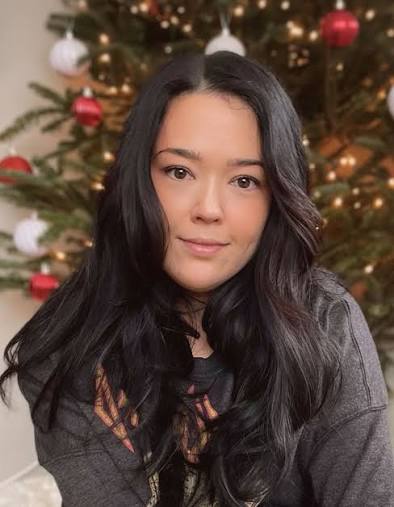
- Emma Kelley Niederbrock, 16 — Killed during the early morning hours of September 14, 2009, in her downstairs bedroom at the First Avenue residence. Emma had developed an online relationship with McCroskey before his trip to Virginia.
- Mark Alan Niederbrock, 50 — Killed on September 17, 2009, after arriving at the Farmville residence. He was Emma's father, Debra Kelley's former husband and the pastor of Walker's Presbyterian Church in Appomattox County.
Concern for Melanie Wells
The investigation began after Melanie's family became worried because they could not reach her. Melanie's mother repeatedly telephoned the Farmville residence and spoke with McCroskey. He reportedly offered changing explanations about Melanie's whereabouts, including a claim that she had gone to a movie with a friend.
Melanie's mother contacted authorities and requested that police check on her daughter. During an initial visit to the residence, McCroskey answered the door and repeated a false story suggesting that Melanie was not there. At that point, officers did not yet have enough information to enter the home or detain him.
As concern intensified, police returned to the property. Shortly after 3:00 p.m. on September 18, 2009, officers entered the residence and discovered the four victims. Three bodies had been placed together in a downstairs bedroom, while Debra Kelley's body was found upstairs. The extent of the violence led investigators to describe the residence as an exceptionally disturbing crime scene.
McCroskey's Flight from Farmville
Before the bodies were discovered, McCroskey fled in Mark Niederbrock's 2000 Honda. He later wrecked or abandoned the vehicle and continued attempting to return to California. During his flight, a law-enforcement officer encountered him and issued a summons for driving without a license. At the time, the officer had no information connecting McCroskey to the undiscovered murders and therefore had no reason to arrest him for the killings.
McCroskey eventually traveled to Richmond International Airport. Authorities located him there on September 19, 2009, sleeping in the baggage-claim area. Investigators believed he was attempting to obtain a flight back to California. He was taken into custody without a prolonged confrontation.
Evidence and Cause of Death
Autopsies determined that all four victims died from blunt-force trauma to the head. Investigators recovered a splitting maul and a ball-peen hammer associated with the attacks. The prosecution's account identified the maul as the principal murder weapon.
Police collected extensive physical evidence from the First Avenue residence, including items connected to the attempted cleanup and movement of the bodies. Investigators also examined McCroskey's electronic communications, computer activity and online relationship with Emma to reconstruct the events leading to the murders.
At some point after the killings, McCroskey used a digital camera to record himself discussing what he had done. In the recording, he appeared to acknowledge that he would have to face consequences and reportedly considered taking his own life. The recording became part of the evidence showing his awareness of the crimes after they occurred.
Charges Against McCroskey
McCroskey was initially charged with offenses that included first-degree murder, robbery and grand larceny related to the theft of Mark Niederbrock's vehicle. After prosecutors and investigators developed the case, a Prince Edward County grand jury indicted him on six counts of capital murder. The overlapping capital charges reflected different circumstances permitted under Virginia law, including the killing of multiple people within the same criminal episode.
Because the prosecution pursued capital charges, McCroskey faced the possibility of a death sentence. He had no significant prior criminal record, but the number of victims, the use of a heavy weapon and his actions after the killings made the case eligible for the most severe punishment then available under Virginia law.
Guilty Pleas and Sentencing
On September 20, 2010, McCroskey entered guilty pleas in Prince Edward County Circuit Court. He pleaded guilty to two counts of capital murder and two counts of first-degree murder. Under an agreement with prosecutors, he avoided a death-penalty trial and accepted four consecutive life sentences without the possibility of parole.
Commonwealth's Attorney James Ennis explained that members of the victims' families supported resolving the case through the plea agreement. The arrangement guaranteed that McCroskey would spend the remainder of his life in prison while sparing the families from a lengthy capital trial, years of appeals and repeated exposure to graphic evidence.
During the court proceedings, prosecutors presented a detailed narrative of the killings. McCroskey admitted responsibility by entering the guilty pleas and did not contest the prosecution's description of how the four victims were attacked.
Impact on Farmville and Longwood University
The murders deeply affected Farmville, a small community closely connected to Longwood University. Debra Kelley had taught sociology and criminal justice studies at the university and was remembered as an influential professor and mentor. Her death was particularly shocking to students and colleagues who had known her through her academic work.
Mark Niederbrock was remembered by members of his congregation as a dedicated minister. Emma and Melanie were teenagers whose friendship and interest in music had brought them together shortly before their deaths. Memorial services and community gatherings were held as relatives, students, church members and residents attempted to process the loss of four people in a single act of violence.
Public Attention and the Horrorcore Connection
The case received national attention partly because McCroskey performed horror-themed music under the name “Syko Sam.” News coverage frequently discussed his lyrics, internet postings and association with the horrorcore community. The victims had also attended a horrorcore festival shortly before the killings.
However, attendance at the concert and an interest in violent fictional music did not by themselves establish a cause for the murders. Prosecutors focused on McCroskey's obsessive attachment to Emma, his anger about the relationship and his reaction to communications he believed showed that she was interested in someone else. The music connection became a prominent element of media coverage, but the legal case rested on physical evidence, McCroskey's conduct, his statements and his admissions in court.
Conclusion
The 2009 Farmville murders were the result of a calculated series of attacks committed over several days. McCroskey killed three victims while they were vulnerable inside the home, remained in the residence with their bodies, murdered Mark Niederbrock when he arrived days later and attempted to conceal portions of the crime scene before fleeing.
The discovery of the bodies on September 18 and McCroskey's arrest the following day brought the immediate search to an end. His guilty pleas in September 2010 ensured that he would never be released. The case remains one of the most notorious multiple homicides in modern Virginia history and is remembered principally for the lives of Mark Niederbrock, Debra Kelley, Emma Niederbrock and Melanie Wells.