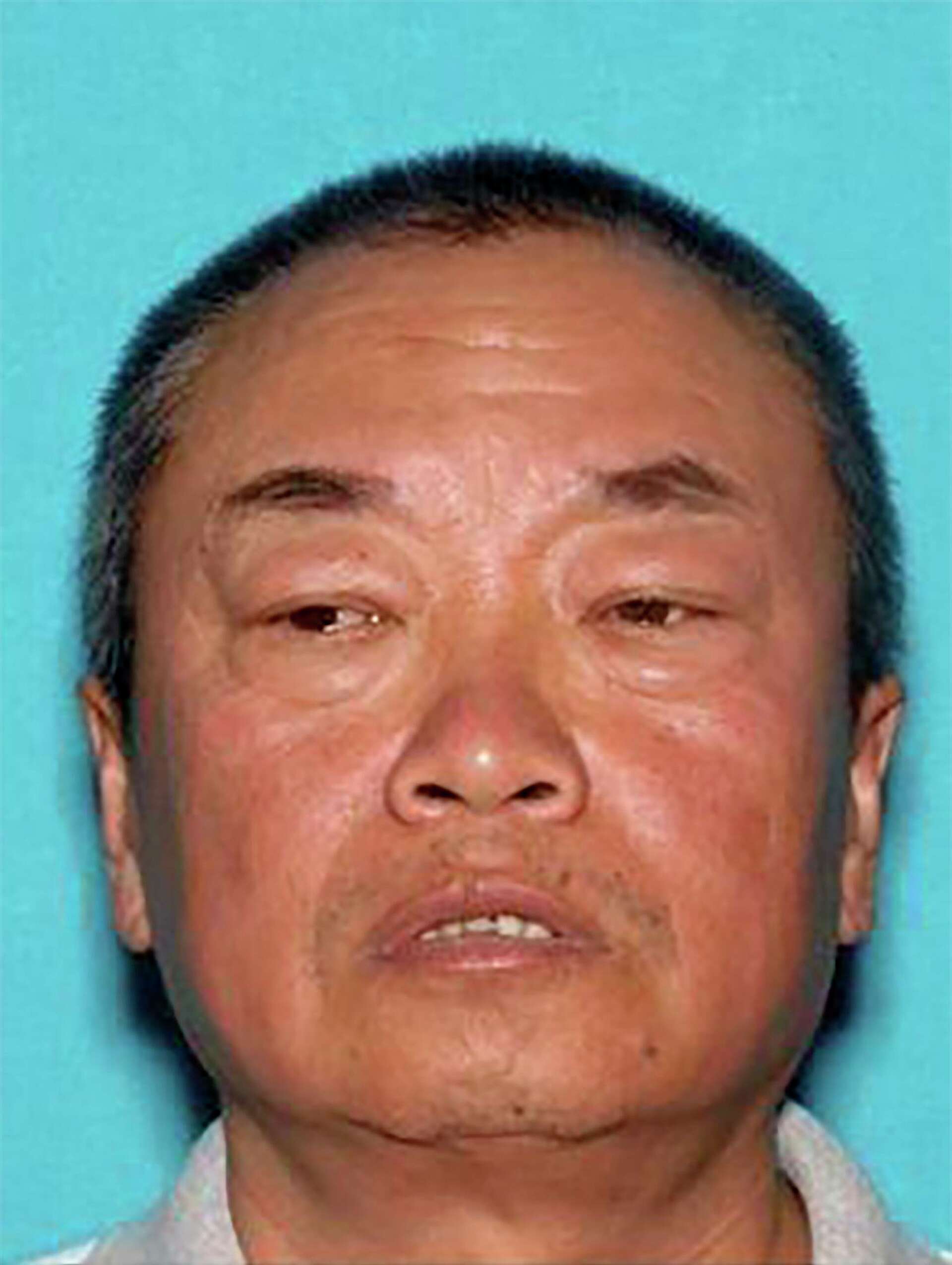
Clemmie Henderson and the 1988 Chicago Shooting Rampage
Overview
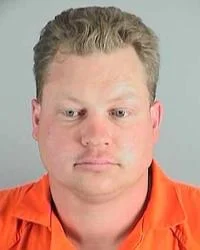
On September 22, 1988, Clemmie Henderson carried out a deadly shooting rampage on Chicago’s Near West Side. The violence began inside an auto-parts business on South Ashland Avenue and continued across the street at Moses Montefiore School, an institution serving children with serious emotional and behavioral difficulties. Henderson killed four people and wounded two others before a critically injured Chicago police officer returned fire and stopped him.
Henderson was 40 years old at the time of the attack. He was armed with a .38-caliber revolver and carried additional ammunition in his pockets. Investigators never established a clear motive or found evidence that he had a personal grievance against the people he killed. The victims appeared to have been selected largely because they happened to be in his path.
Clemmie Henderson’s Background
Clemmie Henderson was born on November 26, 1947. He served in the United States Army during the Vietnam era, entering military service on December 8, 1966, and leaving on April 24, 1970. Contemporary reports described him as a Vietnam veteran who had struggled emotionally after returning home. His family said he had developed mental-health problems connected to his military experiences and had been taking medication for depression.
Henderson had also experienced legal and behavioral problems. His criminal record reportedly included arrests for battery, disorderly conduct and drug-related offenses. In January 1973, Cook County Jail officials sent him to the Chicago-Reed Mental Health Center for evaluation. He later worked at different times as a hairdresser and model. By September 1988, he was divorced and the father of three children.
People who knew Henderson recalled periods of anger and unusual behavior, but no specific warning explained why he became violent on the morning of September 22. Police found no confirmed connection between Henderson and Moses Montefiore School. They also found no established dispute between him and the employees of Comet Auto Parts.
Unusual Behavior Before the Shooting
Shortly before the attack, Henderson went to the Chicago Lumber and Construction Company at 1238 South Ashland Avenue. He reportedly asked about obtaining work as an armed security guard. After being told that the owners were unavailable, he entered a nearby car-wash area in the same building.
Witnesses said Henderson sat silently on a makeshift sofa for approximately 15 minutes with his eyes closed. He then stood up and left without explaining himself. A few minutes later, at approximately 10:00 a.m., he entered Comet Auto Parts at 1334 South Ashland Avenue and began shooting.
The Comet Auto Parts Murders
Inside Comet Auto Parts, Henderson approached the front counter where owner John Van Dyke and employee Robert Quinn were standing. Without an apparent argument or warning, Henderson drew his revolver and opened fire. Van Dyke and Quinn were both struck and killed.
Another employee, Chris Ferguson, was also inside the business. Henderson fired in his direction, but Ferguson avoided the gunfire and escaped through a rear doorway. Ferguson survived without being wounded. The suddenness of the attack gave the employees almost no opportunity to defend themselves or understand why they had been targeted.
After killing Van Dyke and Quinn, Henderson left the store through a side entrance. Outside, he fired at city sanitation worker Laplose Chestnut Jr., wounding him in the hand. Chestnut survived. Henderson then crossed South Ashland Avenue toward Moses Montefiore School.
The Attack at Moses Montefiore School
Moses Montefiore School was located in the 1300 block of South Ashland Avenue, directly across from the auto-parts store. The school served students with serious emotional and behavioral disorders. More than 100 children were reportedly inside the building when Henderson arrived.
Arthur Baker, a school custodial employee, was outside the building unloading or handling trash. Henderson encountered Baker near the school and shot him. Baker was fatally wounded before Henderson entered the building through the front entrance.
Witnesses reported that Henderson made threatening statements as he approached the school, ordering people not to move and indicating that he intended to kill anyone he encountered. His actions suggested that the attack was continuing without a specific individual target.
Confrontation with Officers Irma Ruiz and Gregory Jaglowski
Chicago police officers Irma Ruiz and Gregory Jaglowski were at the school on an unrelated assignment. They were members of a youth unit and had come to Moses Montefiore to transport a student who had become a disciplinary problem. Their presence at the school was coincidental, but it placed them directly in Henderson’s path.
As Henderson entered the hallway, he saw the two uniformed officers near the guidance counselor’s office and immediately opened fire. Officer Ruiz was struck by a bullet that penetrated her chest and heart. Officer Jaglowski was shot in the left thigh.
Ruiz suffered a fatal wound. Jaglowski, although seriously injured, managed to move outside toward the officers’ squad car and radio for assistance. During this time, Henderson entered an empty room and reloaded his revolver.
Henderson then came back outside. Jaglowski confronted him on the sidewalk, and the two exchanged gunfire. Henderson shot Jaglowski again in the lower left leg, causing the officer to collapse. Despite having been struck multiple times, Jaglowski continued firing. His bullets struck Henderson in the upper abdomen and back.
Henderson staggered back into the school and collapsed near Officer Ruiz. Both Ruiz and Henderson were transported to Cook County Hospital. Ruiz was pronounced dead upon arrival. Henderson died shortly after reaching the hospital. Jaglowski was taken to Mount Sinai Hospital, underwent treatment and eventually recovered from his wounds.
Victims Killed on September 22, 1988
- John Van Dyke, 41 — Owner of Comet Auto Parts. He was shot and killed behind the counter at 1334 South Ashland Avenue in Chicago on September 22, 1988. Van Dyke was reportedly a resident of Lemont, Illinois.
- Robert Quinn, 26 — Employee or manager at Comet Auto Parts. He was standing behind the counter with Van Dyke when Henderson opened fire on September 22, 1988. Quinn was reportedly from Franklin Park, Illinois.
- Arthur Baker, 34 — Custodial worker at Moses Montefiore School. He was shot outside the school near the 1300 block of South Ashland Avenue while performing his duties on September 22, 1988.
- Officer Irma C. Ruiz, 40 — Chicago Police Department youth officer. She was shot in the chest inside Moses Montefiore School on September 22, 1988, and was pronounced dead at Cook County Hospital.
People Wounded
- Officer Gregory Jaglowski, 38 — Chicago police officer and partner of Irma Ruiz. He was struck several times in the legs but returned fire and fatally wounded Henderson. Jaglowski survived after receiving treatment at Mount Sinai Hospital.
- Laplose Chestnut Jr., 35 — Chicago sanitation worker. He was shot in the hand outside Comet Auto Parts before Henderson crossed the street toward the school. Chestnut survived.
Officer Irma Ruiz
Irma Ruiz was born on February 17, 1948, and joined the Chicago Police Department on October 18, 1976. She served for nearly 12 years and was assigned to the department’s Youth Division. Ruiz was the mother of four children and had received several commendations and honorable mentions during her police career.
Ruiz became the first Latina Chicago police officer killed in the line of duty. Her funeral was held at Christ the King Catholic Church, and she was buried on September 27, 1988, at St. Mary Catholic Cemetery in Evergreen Park, Illinois. Her police star was later retired and placed in an honored memorial display.
In January 1990, a new Chicago elementary school was named the Irma C. Ruiz Elementary School in recognition of her service and sacrifice. Chicago officials credited Ruiz and Jaglowski with preventing Henderson from reaching classrooms filled with children.
Officer Jaglowski’s Actions
Gregory Jaglowski’s actions were widely described as heroic. Although wounded repeatedly, he continued to pursue and confront Henderson. Police Superintendent LeRoy Martin stated that the officers’ presence likely prevented a much larger massacre. Henderson still had ammunition when Jaglowski stopped him, and authorities believed he intended to continue shooting.
Jaglowski’s ability to return fire while suffering serious leg wounds brought the rampage to an end within minutes. No students or teachers were physically injured. Had Henderson moved farther into the school without encountering the officers, the number of victims could have been substantially higher.
Investigation and Uncertain Motive
Investigators were unable to identify a single event that triggered Henderson’s violence. He did not leave a written explanation, and police found no evidence of a planned grievance against the school, the auto-parts store or any of the victims. The shooting appeared to be a sudden and largely indiscriminate attack.
Henderson’s family and acquaintances described mental illness, depression and lingering distress associated with his military service. However, those factors did not provide a complete explanation for his decision to murder strangers. His earlier visit to the lumber company, his request for armed-security work and his silent behavior shortly before the shootings suggested that he was experiencing a serious psychological crisis.
Authorities recovered Henderson’s .38-caliber revolver and additional cartridges from his clothing. Police Superintendent Martin noted that Henderson still had approximately 22 rounds of ammunition, supporting the belief that he was prepared to continue the rampage.
Aftermath and Legacy
The September 22, 1988, attack left five people dead when Henderson is included in the total. Four innocent victims were murdered, two other people were wounded and a school community was deeply traumatized. Students and employees who had been inside Moses Montefiore required counseling after the attack.
The killings attracted national attention because the violence entered a school filled with vulnerable children. The incident also became an enduring part of Chicago Police Department history because of Officer Ruiz’s death and Officer Jaglowski’s actions under fire.
Clemmie Henderson died without explaining his motive. His rampage lasted only a brief period, but it moved rapidly from a neighborhood business into a crowded educational institution. The survival of the students and teachers was largely attributed to the unexpected presence and determined resistance of Officers Irma Ruiz and Gregory Jaglowski.