Kevin Janson Neal and the 2017 Rancho Tehama Shooting Rampage
Overview
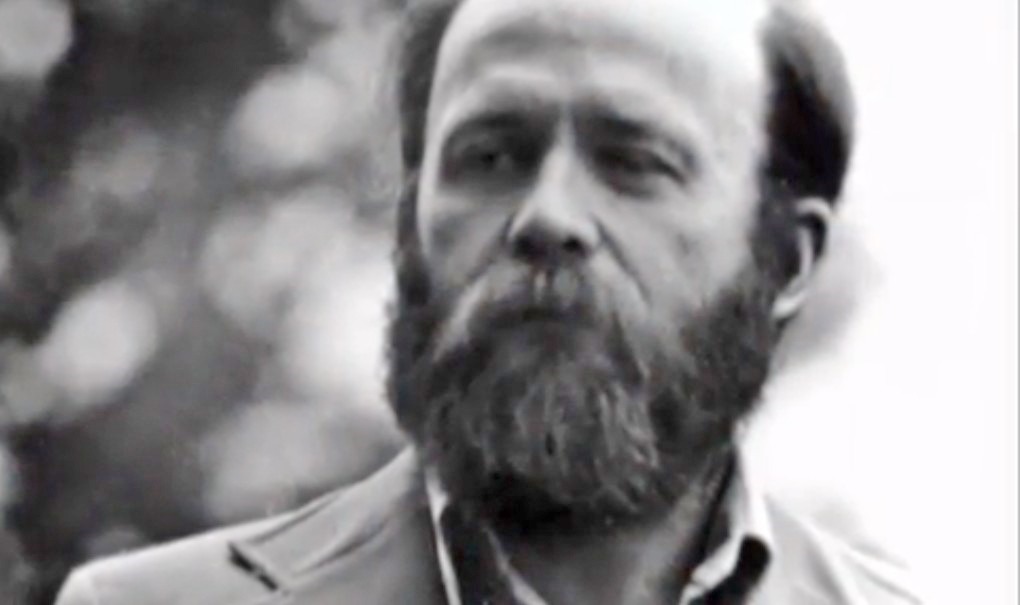
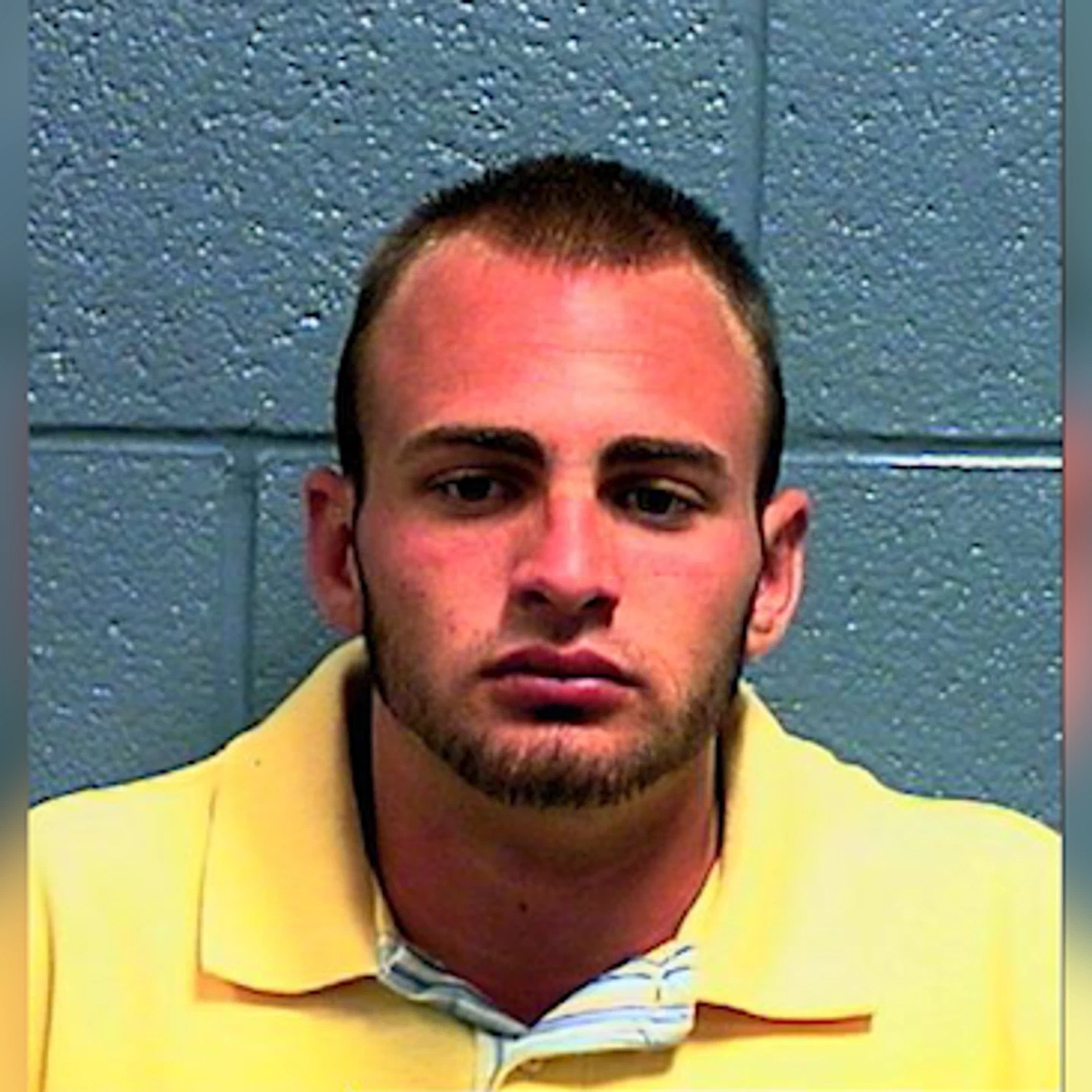
Kevin Janson Neal was responsible for a deadly shooting rampage that unfolded across the rural community of Rancho Tehama Reserve in Tehama County, California, on November 13 and November 14, 2017. The violence began with the killing of his wife inside their home and continued the following morning through several residential streets, intersections and Rancho Tehama Elementary School. Neal killed five people before dying at the conclusion of the attack. Eighteen other people were injured, including children traveling to school and students inside the elementary school.
The attack was not confined to a single location. Neal moved from one crime scene to another, shooting neighbors, motorists, pedestrians and people who happened to encounter him. He used a homemade semiautomatic rifle and two semiautomatic handguns during the rampage. Investigators later described the event as a combination of targeted killings and random violence.
The Killing of Barbara Ann Glisan
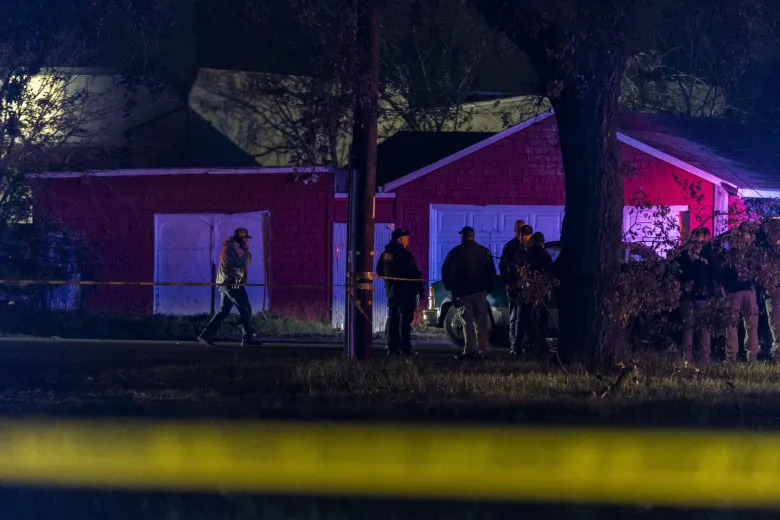
The first known victim was Neal’s wife, 38-year-old Barbara Ann Glisan, whose surname was also reported as Gilsan. Authorities determined that she was killed at the couple’s residence at 6970 Bobcat Lane on November 13, 2017, the evening before the public shooting spree.
Neal shot Glisan and concealed her body beneath the floorboards of their home. Investigators discovered her remains after the following day’s rampage. Authorities believed that her killing may have marked the beginning of Neal’s final violent breakdown, although the precise events inside the residence were never completely established.
The Morning Attack Begins
At approximately 7:54 a.m. on November 14, 2017, reports of gunfire began reaching emergency dispatchers. Neal first attacked two neighbors with whom he had been involved in an ongoing dispute. He shot and killed 38-year-old Danny Lee Elliott and Elliott’s 68-year-old mother, Diana Lee Steele, near their home.
Neal had previously accused people in the neighborhood of criminal activity and had repeatedly argued with residents. His conflicts with nearby families had produced numerous calls to law enforcement. After killing Elliott and Steele, Neal took a pickup truck belonging to one of the victims and began driving through Rancho Tehama while firing at people and vehicles.
Attack on the Phommathep Family
During the rampage, Neal encountered a vehicle carrying Tiffany Nai Phommathep and her three young sons. He struck or blocked the family’s vehicle with the stolen pickup and then fired repeatedly into it at close range.
Phommathep was shot several times while attempting to shield her children. Her sons John Phommathep Jr., age 10, and Jake Phommathep, age 6, suffered gunshot wounds. Her two-year-old son, Nikos Phommathep, was injured by shattered glass. All four survived, although their injuries required emergency medical treatment.
Despite being seriously wounded, Phommathep continued trying to obtain help for her children. An assistant sheriff’s deputy eventually encountered the family and summoned medical assistance.
Attack on Rancho Tehama Elementary School
Neal next drove toward Rancho Tehama Elementary School, where children and staff members were arriving for the school day. School secretary Sarah Lobdell heard gunfire in the surrounding community and quickly ordered a lockdown. Teachers and employees secured classroom doors, moved students away from windows and attempted to keep everyone quiet.
Neal crashed the stolen pickup through the school’s locked entrance gate. Armed with a homemade AR-15-style semiautomatic rifle, he entered the grounds and fired repeatedly at classrooms, windows and exterior walls. School employees prevented him from entering the occupied buildings by maintaining the lockdown and keeping the doors secured.
Nearly 100 rounds were reportedly fired in and around the school. Bullets penetrated walls and windows while students hid under desks. Six-year-old Alejandro Hernandez was struck in the chest and leg and required extensive medical treatment and multiple surgeries. Other students were injured by bullets or flying glass.
Jessie Allen Sanders, an adult near the school, was also shot after attempting to draw Neal’s attention away from the children. No one inside the school was killed. The rapid lockdown was widely credited with preventing a much larger loss of life.
Continued Violence on the Road
After leaving the school grounds, Neal continued through the community in the stolen pickup. He collided with another vehicle occupied by Michelle Iris McFadyen and her husband, Troy Lee McFadyen. As the couple attempted to escape, Neal opened fire.
Michelle McFadyen, age 55, was shot and killed near the roadway. Troy McFadyen, age 59, was wounded in both legs but survived. He later described pleading with Neal not to fire another shot.
A passing motorist stopped because he believed Neal had been involved in an ordinary traffic accident. Neal shot the man, stole his vehicle and continued the attack. He fired into additional automobiles and at people along the road. Francisco Gudino Cardenas was shot in the leg when Neal fired numerous rounds into his vehicle.
Neal also shot and killed 56-year-old Joseph Edward McHugh III outside McHugh’s home. Investigators found no known personal connection between McHugh and Neal and concluded that he had been randomly targeted.
Confrontation with Law Enforcement
Law enforcement officers pursued Neal as emergency calls reported shootings across Rancho Tehama. A Corning Police Department officer and a Tehama County sheriff’s deputy eventually intercepted the stolen vehicle.
The officers used their patrol vehicles to ram and disable Neal’s car. Neal fired at the officers, striking their vehicle several times. The officers returned fire during the confrontation. Neal died at approximately 8:19 a.m., about 25 minutes after the first emergency report. Authorities later concluded that the fatal wound was self-inflicted during the final exchange.
No officers were physically wounded. Investigators recovered two semiautomatic handguns and rifles connected to Neal. At least one of the rifles had been assembled privately and did not carry the identifying markings normally found on a commercially manufactured firearm.
People Killed
- Barbara Ann Glisan, 38: Neal’s wife. She was shot inside their home at 6970 Bobcat Lane in Rancho Tehama on November 13, 2017. Her body was hidden beneath the floorboards.
- Danny Lee Elliott, 38: Neal’s neighbor. He was shot and killed near his residence in Rancho Tehama on the morning of November 14, 2017.
- Diana Lee Steele, 68: Elliott’s mother. She was killed during the attack on Elliott’s property on November 14, 2017.
- Michelle Iris McFadyen, 55: She was attacked after her vehicle collided with the stolen pickup Neal was driving. She was shot and killed beside the road in Rancho Tehama on November 14, 2017.
- Joseph Edward McHugh III, 56: He was shot outside his home during the rampage on November 14, 2017. Authorities considered his killing a random attack.
Known Survivors and Wounded Victims
- Tiffany Nai Phommathep, 31: Shot multiple times while driving her sons to school.
- John Phommathep Jr., 10: Shot while riding in his mother’s vehicle.
- Jake Phommathep, 6: Shot while riding in the family vehicle.
- Nikos Phommathep, 2: Injured by shattered glass during the attack on the family’s vehicle.
- Alejandro Hernandez, 6: Shot in the chest and leg inside Rancho Tehama Elementary School.
- Jessie Allen Sanders, 39: Shot near the elementary school while attempting to distract Neal from the children.
- Troy Lee McFadyen, 59: Michelle McFadyen’s husband. He was shot in the legs during the roadside attack.
- Francisco Gudino Cardenas: Shot in the leg when Neal fired repeatedly into his vehicle.
- James Woods Sr.: Wounded by gunfire during the attacks on motorists.
- James Woods Jr., 20: Wounded by gunfire while traveling in a vehicle.
- Several unidentified children and adults: Injured by bullets, shattered glass or vehicle collisions at the different crime scenes.
Previous Arrest and Firearm Restrictions
Before the massacre, Neal had been involved in repeated confrontations with his neighbors. Tehama County sheriff’s deputies had responded to his property numerous times because of reports involving gunfire, threats, arguments and other disturbances.
On January 31, 2017, Neal was arrested following an altercation with neighbor Hailey Poland and members of her family. He was accused of stabbing Poland, assaulting another woman and taking a cellular telephone. He faced felony and misdemeanor charges but was released on bail while the case remained pending.
A restraining order prohibited Neal from possessing firearms and required him to surrender any guns under his control. Nevertheless, residents continued reporting the sound of gunfire from his property. Neal often refused to answer the door when deputies attempted to contact him.
The firearms used in the November attack were not all legally registered to Neal. Investigators determined that he had privately assembled at least one rifle. The case became a prominent example of the difficulties law enforcement agencies face when attempting to locate firearms possessed by someone who has become legally prohibited from owning them.
Background and Reported Behavior
Neal was 44 years old at the time of the shootings. He had attended East Carolina University between 2001 and 2004 but did not receive a degree. He later moved to California and lived in the isolated Rancho Tehama community.
Relatives described a long deterioration in his emotional stability. His mother said he had displayed serious anger problems, paranoid thinking and an increasing interest in conspiracy theories. Neighbors described erratic behavior, frequent shouting and repeated gunfire from his property.
Investigators did not identify a single clear motive for the entire rampage. The killings of his wife and neighbors appeared to be connected to domestic conflict and longstanding personal grievances. The attacks on motorists, pedestrians and Joseph McHugh appeared random. The elementary school may have been selected because Neal associated children or families there with neighbors he resented, but authorities could not definitively establish his intentions.
Aftermath
The Rancho Tehama shootings left five victims dead, eleven people wounded by gunfire and several others injured by shattered glass or related impacts. The violence spread across eight crime scenes and transformed a small rural community into the site of one of California’s most chaotic shooting attacks.
The actions of the elementary school’s staff prevented Neal from entering occupied classrooms. Their decision to lock the campus before he arrived gave teachers time to secure nearly all of the children. Although students were wounded, the physical barriers and lockdown procedures prevented Neal from reaching groups of defenseless students.
The massacre also raised questions about restraining orders, firearm surrender procedures and privately manufactured guns. Neal had already been prohibited from possessing weapons, had pending violent-crime charges and had generated repeated complaints from neighbors. Despite those warning signs, he retained access to multiple firearms and enough ammunition to carry out a prolonged attack.
Because Neal died at the scene, he never faced prosecution for the killings. The investigation instead focused on reconstructing his movements, identifying the weapons he used and determining how he had remained armed while subject to a court order. For survivors and relatives of those killed, the attack left permanent physical, emotional and financial consequences throughout Rancho Tehama and the surrounding Tehama County community.