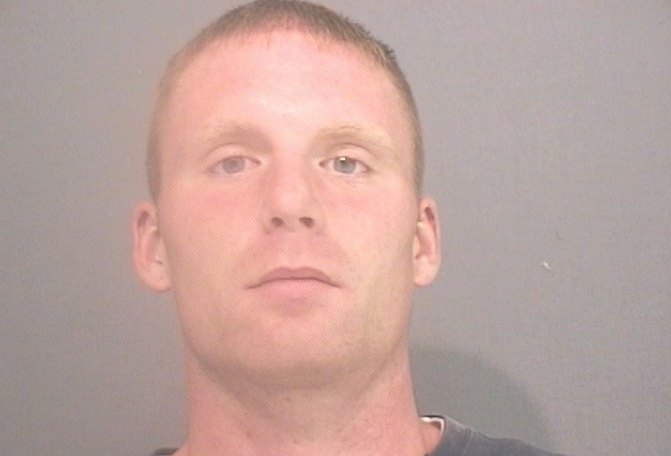
Joseph Ferguson and the 2001 Sacramento Shooting Spree
Background
Joseph Ferguson was a 20-year-old former security guard who carried out a deadly shooting spree across the Sacramento, California, area between September 8 and September 10, 2001. During the attacks, Ferguson killed five people, wounded a law-enforcement officer and a civilian bystander, abducted another security guard, and held two people hostage before taking his own life.
Ferguson grew up in the Sacramento area and obtained a California private-security permit in March 1999. He was employed by Burns International Security, where several of his eventual victims also worked. Those familiar with him described him as socially isolated and intensely interested in weapons and military equipment.
In the days before the killings, Ferguson experienced a personal and professional crisis. His girlfriend and fellow Burns security guard, 20-year-old Nina Susu, ended their relationship. Ferguson reportedly reacted by damaging Susu’s automobile with an ax. After Susu reported the incident, Burns International Security suspended Ferguson from his position on September 7, 2001.
Ferguson had also made threatening statements about Susu and other employees. Susu and company officials contacted authorities with their concerns. Because Ferguson did not have a significant criminal record and had not yet committed an offense that resulted in his arrest, he remained free. One day after his suspension, he began his attack.
The First Shootings
At approximately 11:20 p.m. on Saturday, September 8, 2001, Sacramento police received reports of gunfire at a city equipment and corporation yard guarded by Burns International Security. Officers arriving at the facility discovered two female security guards who had been shot multiple times.
One of the victims was Nina Susu, Ferguson’s former girlfriend. The second was 32-year-old Marsha Jackson, another Burns security employee. Both women were wearing their security uniforms and were unarmed when they were attacked. Investigators recovered several types of ammunition at the scene, indicating that Ferguson had brought multiple firearms to the facility.
After killing Susu and Jackson, Ferguson took a Burns security vehicle and drove away from the corporation yard. The killings appeared to have been partly motivated by his anger toward Susu and the company, although his subsequent conduct showed that he intended to extend the violence beyond the initial confrontation.
The Miller Park Marina Murders
Ferguson next traveled to Miller Park Marina along the Sacramento River. There, he encountered Burns security guard George Bernardino, 48, and marina employee John Derek Glimstad, 19. Both men were fatally shot during the early hours of September 9.
Bernardino was working his assigned security post when Ferguson arrived. Glimstad was a young marina worker who was not connected to Ferguson’s employment dispute. Investigators found the two men dead near the marina and recovered a firearm and additional ammunition from the area.
The attacks at the corporation yard and marina occurred within a relatively short period. By the time police connected the scenes, Ferguson had killed four people and was moving through Sacramento with several weapons, ammunition, protective equipment, and access to stolen vehicles.
Abduction at the Sacramento Zoo
After leaving the marina, Ferguson drove the stolen Burns vehicle to the Sacramento Zoo. He reportedly used the vehicle to force his way through a gate. At approximately 1:30 a.m. on September 9, he confronted another female Burns security guard.
Rather than killing the guard, Ferguson restrained her with handcuffs and secured her to a tree. He then stole her green automobile and escaped. The guard was later found alive and physically unharmed.
Police issued warnings to Burns employees and moved several people believed to be possible targets to protected locations. The Sacramento Police Department was joined in the search by the Sacramento County Sheriff’s Department, the California Highway Patrol, the FBI, the United States Marshals Service, and the Bureau of Alcohol, Tobacco and Firearms.
Threats During the Manhunt
While officers searched the Sacramento area, Ferguson used a cellular telephone to contact former co-workers and acquaintances. He threatened additional employees and reportedly spoke about attacking crowded entertainment areas, including clubs, theaters, and locations in Old Sacramento.
Ferguson also referred to another recent Sacramento-area murderer, Nikolay Soltys, who had killed members of his family in August 2001. Ferguson allegedly said that he intended to exceed the number of people killed by Soltys. Authorities treated the statements as evidence that Ferguson was contemplating a larger public attack.
A search of Ferguson’s residence uncovered an extensive collection of weapons and tactical equipment. Authorities reported finding shotguns, assault-style rifles, revolvers, body armor, a ballistic helmet, a gas mask, and large quantities of ammunition. White-supremacist material was also reportedly recovered, causing investigators to examine whether racial hatred influenced any of his victim selections. No single motive, however, fully explained every killing.
The Hostage Situation and Fifth Murder
During the evening of September 9, Ferguson went to a residence in the Lincoln Village neighborhood of Rancho Cordova. The home was associated with Burns security supervisor Nikolay Popovich. Ferguson held Popovich and Popovich’s wife hostage for approximately 12 hours.
While inside the residence, Ferguson recorded himself discussing the killings and his plans. He described an intention to attack additional innocent people and stated that he expected to die rather than surrender. The recording later provided investigators with direct evidence that he understood the consequences of his actions and had considered how the spree would end.
Ferguson eventually killed Popovich, making him the fifth murder victim. Popovich’s wife survived the hostage ordeal. After leaving the residence, Ferguson stole another vehicle and attempted to escape as law-enforcement officers closed in on him.
The Chase and Final Shootout
Early on Monday, September 10, 2001, authorities located Ferguson in the Rancho Cordova area. A high-speed pursuit followed for approximately 40 minutes. Ferguson was armed with a rifle that had reportedly been modified to fire automatically.
Near Folsom Boulevard and Zinfandel Drive, Ferguson exchanged gunfire with pursuing officers. A California Highway Patrol officer was struck in the arm and wounded. A 27-year-old civilian bystander was hit in the abdomen by a stray bullet and was initially reported in critical condition.
Ferguson continued driving until the stolen vehicle crashed into a light pole near a fast-food restaurant. Officers surrounded the vehicle and waited before approaching because they believed he remained heavily armed. Ferguson then used one of his weapons to shoot himself. He was found dead inside the vehicle on September 10, 2001.
An autopsy later determined that Ferguson had not been struck by police gunfire during the confrontation. His only fatal wound was self-inflicted, fulfilling the intention he had described while recording himself during the hostage situation.
Victims
- Nina Susu, 20 – Killed on September 8, 2001, at a Sacramento city corporation and equipment yard in Sacramento, California. Susu was Ferguson’s former girlfriend and a Burns International Security guard.
- Marsha Jackson, 32 – Killed on September 8, 2001, at the Sacramento city corporation and equipment yard. Jackson was a Burns security guard working at the facility with Susu.
- George Bernardino, 48 – Killed late September 8 or during the early hours of September 9, 2001, at Miller Park Marina in Sacramento. Bernardino was employed as a Burns security guard.
- John Derek Glimstad, 19 – Killed late September 8 or during the early hours of September 9, 2001, at Miller Park Marina. Glimstad was a marina employee and was not involved in Ferguson’s employment dispute.
- Nikolay Popovich – Killed during the night of September 9 or early September 10, 2001, at a residence in the Lincoln Village neighborhood of Rancho Cordova, California. Popovich was a Burns security supervisor who had been held hostage with his wife.
Other People Harmed
- Unidentified Burns security guard – Abducted and handcuffed to a tree near the Sacramento Zoo during the early hours of September 9, 2001. She survived without serious physical injuries.
- Nikolay Popovich’s wife – Held hostage with her husband for approximately 12 hours at their Rancho Cordova residence. She survived.
- California Highway Patrol officer – Shot in the arm during the September 10, 2001, pursuit and gun battle near Folsom Boulevard and Zinfandel Drive.
- Unidentified 27-year-old bystander – Struck in the abdomen by a stray bullet during the September 10 shootout. The victim was initially reported in critical condition.
Aftermath
The Sacramento shooting spree ended with five murder victims, two people wounded by gunfire, and Ferguson dead by suicide. Investigators concluded that the immediate catalysts included his breakup with Nina Susu, his suspension from Burns International Security, and his anger toward former co-workers. His threatening calls, weapons collection, extremist material, and recorded statements suggested that the violence had developed into a broader plan for indiscriminate killing.
The case also raised questions about whether authorities or Ferguson’s employer could have intervened after receiving warnings about his behavior. Susu had reported the vandalism of her vehicle and concerns about Ferguson’s threats shortly before the killings. However, officials lacked sufficient evidence at that time to detain him or confiscate his weapons.
The murders received substantial regional coverage when they occurred, but the national attention surrounding the case was brief. Ferguson died on September 10, 2001. The following morning, the terrorist attacks of September 11 dominated national and international news, leaving the Sacramento victims and the circumstances of the shooting spree less widely remembered outside Northern California.