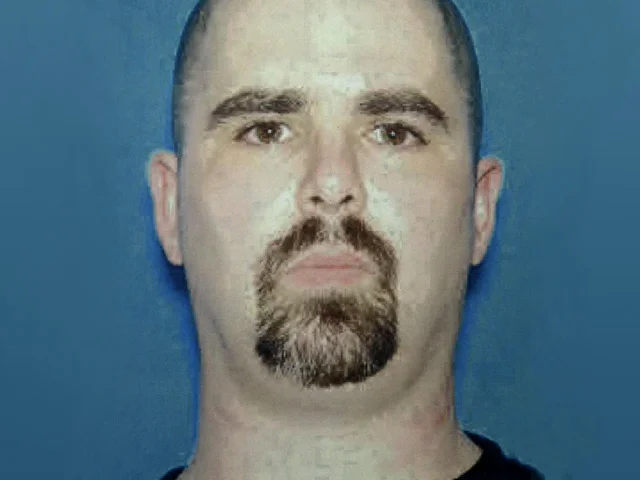
Robert Crimo III and the 2022 Highland Park Parade Massacre
Overview of the Attack
Robert Eugene Crimo III carried out a mass shooting during the Fourth of July parade in Highland Park, Illinois, on July 4, 2022. The annual community celebration had drawn families, children, local officials, musicians and spectators to downtown Highland Park. At approximately 10:14 a.m., shortly after the parade began, Crimo opened fire from the rooftop of a commercial building near Central Avenue and Second Street.
Using a Smith & Wesson M&P15 semiautomatic rifle, Crimo repeatedly fired into the densely packed crowd below. Paradegoers initially mistook the rapid gunfire for fireworks. Within moments, people realized they were under attack and began running, hiding inside nearby businesses or shielding children behind vehicles and other available cover. Seven people were killed, and 48 others were wounded by gunfire or fragments. The injured ranged from children to elderly spectators.
Planning and Preparation
Investigators determined that the shooting was not an impulsive act. Crimo had considered possible locations and prepared for the attack in advance. On the morning of July 4, he traveled to Highland Park with the rifle and ammunition. He reached the roof by climbing a fire escape attached to a building overlooking the parade route.
From this elevated position, Crimo had a clear view of spectators gathered along Central Avenue. He fired multiple magazines into the crowd before abandoning the rifle near the rooftop. Prosecutors later said he admitted firing three 30-round magazines during the attack.
Crimo wore clothing intended to conceal his identity and help him blend in with people fleeing the area. After leaving the rooftop, he joined the panicked crowd and escaped on foot. He then traveled to his mother’s home, obtained a vehicle and drove away from Highland Park.
The Victims
The seven people killed were residents, parents, grandparents and community members who had attended the parade as part of an Independence Day tradition. Their deaths devastated families in Highland Park, nearby communities and abroad.
- Katherine Goldstein, 64 — Killed on July 4, 2022, along the parade route in downtown Highland Park, Illinois. Goldstein was attending the parade with family members when the shooting began.
- Jacquelyn Sundheim, 63 — Killed on July 4, 2022, near Central Avenue in Highland Park. Sundheim was a longtime member and employee of North Shore Congregation Israel.
- Stephen Straus, 88 — Killed on July 4, 2022, while attending the Highland Park parade. Straus was a financial adviser and a longtime Highland Park resident.
- Nicolas Toledo-Zaragoza, 78 — Killed on July 4, 2022, in Highland Park. Toledo-Zaragoza, who was visiting relatives from Mexico, attended the parade with members of his family.
- Eduardo Uvaldo, 69 — Shot during the parade on July 4, 2022, in Highland Park. He later died from his injuries at a hospital. Uvaldo lived in Waukegan, Illinois.
- Kevin McCarthy, 37 — Killed on July 4, 2022, at the Highland Park parade. He attended the celebration with his wife, Irina, and their two-year-old son.
- Irina McCarthy, 35 — Killed beside her husband, Kevin McCarthy, on July 4, 2022. Their young son survived and was found separated from his parents after the shooting.
The victims ranged in age from 35 to 88. Kevin and Irina McCarthy were reported to have attempted to protect their young son as the attack unfolded. Their child was found alive amid the chaos and was later reunited with relatives.
Survivors and Injuries
Dozens of people suffered gunshot wounds, fragment injuries and lasting psychological trauma. One of the most seriously injured survivors was eight-year-old Cooper Roberts. He was shot and left paralyzed from the waist down. His recovery required extensive hospitalization, rehabilitation and continuing medical treatment.
Other survivors underwent repeated surgeries or experienced permanent physical limitations. Witnesses described seeing injured people on sidewalks and inside businesses while police officers, firefighters, physicians and bystanders attempted to provide emergency care. Some survivors later said they remained unable to travel along the parade route or participate in large public celebrations because of the memories associated with the attack.
Escape and Possible Second Attack
After escaping Highland Park, Crimo drove north into Wisconsin. Authorities said he traveled to Madison and considered carrying out another attack at a public celebration. He had another firearm in the vehicle but ultimately decided against opening fire, reportedly because he had not prepared for a second attack in the same manner as the Highland Park shooting.
Crimo then returned toward Illinois. Police located his vehicle near Lake Forest after issuing an alert containing his description and license-plate information. Following a brief pursuit, officers stopped him near U.S. Route 41 and Westleigh Road. He surrendered without a prolonged confrontation more than eight hours after the parade shooting.
Earlier Warning Signs
Police records revealed that authorities had responded to two incidents involving Crimo in 2019. In April 2019, police received a report that he had attempted or threatened suicide. Several months later, in September 2019, a relative reported that Crimo had threatened to kill members of his family.
During the September incident, officers removed numerous knives, a dagger and a sword from the family home. Crimo was not arrested because family members reportedly declined to pursue a complaint and police said they lacked probable cause for further action. The weapons were later returned to Crimo’s father because Crimo did not legally own them.
Despite those incidents, Crimo later obtained an Illinois Firearm Owner’s Identification card. Because he was under 21 at the time of his application, his father, Robert Crimo Jr., sponsored it. Crimo subsequently purchased several firearms, including the rifle used in the Highland Park massacre.
Criminal Charges
Crimo was initially charged on July 5, 2022, with seven counts of first-degree murder. On July 27, 2022, a Lake County grand jury returned an indictment containing 117 felony counts. The indictment included 21 counts of first-degree murder, representing three separate legal theories for each of the seven deaths, along with 48 counts of attempted murder and 48 counts of aggravated battery for the people struck by bullets or fragments.
Crimo initially pleaded not guilty. The criminal proceedings were repeatedly delayed by disputes concerning his attorneys, his decision to represent himself and changes in his willingness to accept responsibility. In June 2024, victims’ families arrived at court expecting him to plead guilty, but Crimo unexpectedly refused to change his plea.
Guilty Plea and Sentencing
Jury selection began in February 2025. On March 3, 2025, shortly before opening statements were scheduled, Crimo pleaded guilty to 21 counts of first-degree murder and 48 counts of attempted murder. The aggravated-battery charges had been dismissed before trial. By entering the plea, Crimo formally admitted responsibility for killing seven people and attempting to murder dozens of others.
During a two-day sentencing hearing in April 2025, survivors and relatives described the deaths, physical injuries and emotional damage caused by the attack. Family members spoke about parents and grandparents who would never return home. Survivors described continuing surgeries, paralysis, fear, nightmares and difficulty returning to public places.
Crimo declined to attend much of the sentencing proceeding. On April 24, 2025, Lake County Circuit Judge Victoria Rossetti sentenced him to seven consecutive terms of life imprisonment without the possibility of parole. She also imposed 50 years for each of the 48 attempted-murder convictions, totaling an additional 2,400 years. The sentence ensures that Crimo will remain imprisoned for the rest of his life.
Case Against Robert Crimo Jr.
Crimo’s father, Robert Crimo Jr., was separately charged because he had sponsored his son’s firearm-license application despite earlier reports concerning threats and suicidal behavior. In November 2023, the father pleaded guilty to seven misdemeanor counts of reckless conduct.
Robert Crimo Jr. received a sentence of 60 days in jail, two years of probation and community service. Prosecutors argued that his sponsorship of the firearm application was a reckless act that helped his son obtain legal access to weapons.
Aftermath and Community Impact
The Highland Park massacre permanently altered a celebration that had long represented community tradition and family life. Memorials were established for the seven people killed, while residents organized services, support programs and public commemorations for survivors.
The attack also prompted lawsuits involving Crimo, his father, the Illinois State Police and the manufacturer of the rifle. Survivors and relatives argued that failures in firearm-licensing procedures and the promotion and availability of semiautomatic rifles contributed to the massacre.
For the families of Katherine Goldstein, Jacquelyn Sundheim, Stephen Straus, Nicolas Toledo-Zaragoza, Eduardo Uvaldo, Kevin McCarthy and Irina McCarthy, the guilty plea and sentence brought legal accountability but could not restore the lives lost on July 4, 2022. The shooting remains one of the deadliest attacks ever committed during a Fourth of July celebration in the United States.