Dean Mellberg and the 1994 Fairchild Air Force Base Hospital Shooting
Background
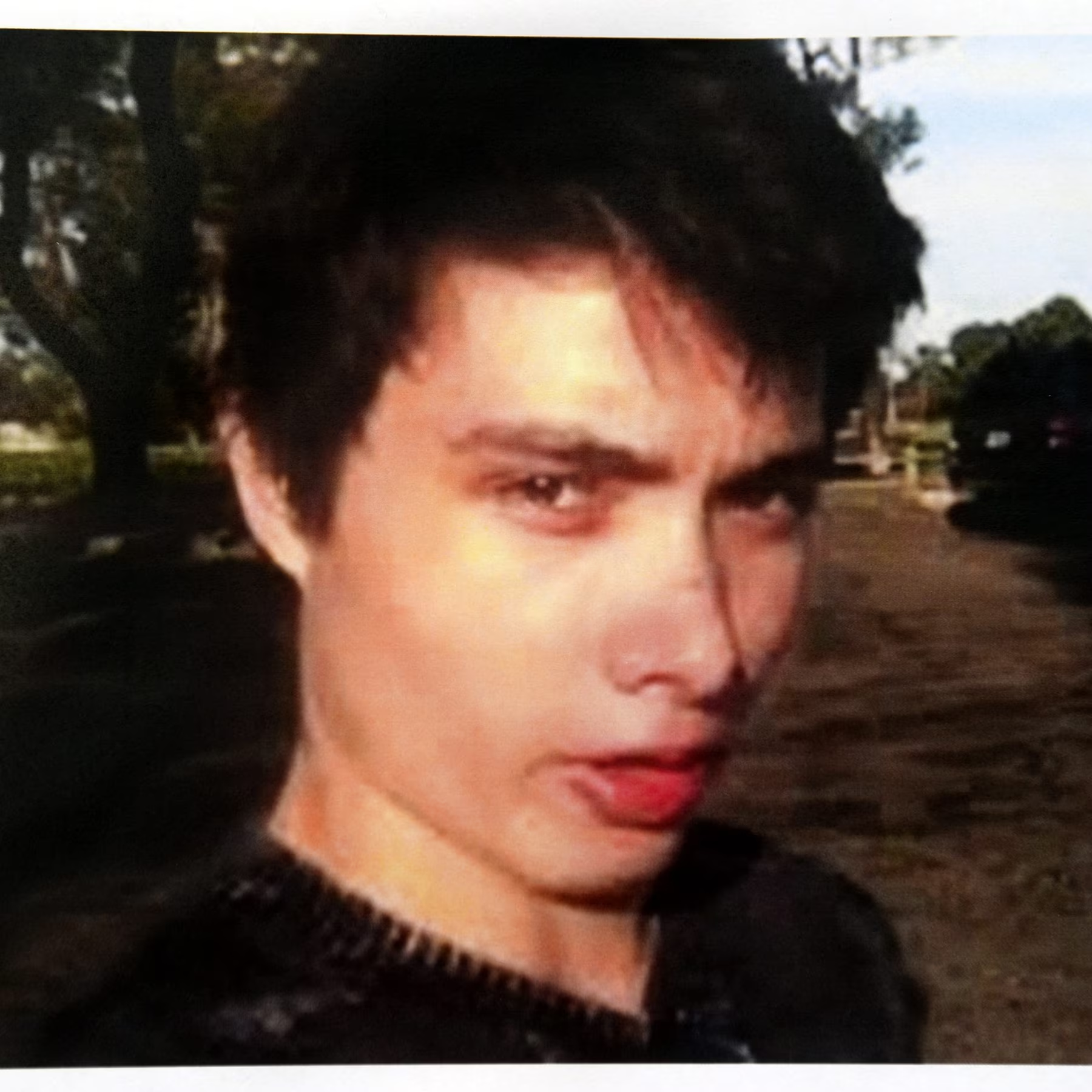
Dean Allen Mellberg was a 20-year-old former United States Air Force airman who carried out a deadly mass shooting at Fairchild Air Force Base near Spokane, Washington, on June 20, 1994. Armed with a semiautomatic rifle, Mellberg entered the base hospital and opened fire on medical personnel, patients, and visitors. Four people were killed, an unborn child died after the mother was wounded, and approximately 22 other people suffered gunshot wounds or related injuries.
The attack was closely connected to Mellberg’s troubled military career. During his brief time in the Air Force, supervisors and medical personnel repeatedly documented behavioral and psychological concerns. He had difficulty adjusting to military life, reportedly displayed inappropriate behavior, and became the subject of several mental-health evaluations. Medical professionals at Fairchild Air Force Base concluded that he was unsuitable for continued military service.
Military Service and Psychological Evaluations
Mellberg entered the Air Force in 1992 and completed basic military training despite concerns about his behavior. He was eventually assigned to Fairchild Air Force Base, where Major Thomas Brigham and Captain Alan London evaluated him through the hospital’s mental-health clinic. Both officers became involved in efforts to determine whether Mellberg was psychologically capable of remaining in the military.
After being found unsuitable for duty at Fairchild, Mellberg was sent to Wilford Hall Medical Center at Lackland Air Force Base in Texas for additional evaluation. He was subsequently permitted to remain in the Air Force and was reassigned to Cannon Air Force Base in New Mexico. His behavioral problems continued, however, and military authorities again referred him for evaluation.
Mellberg was eventually diagnosed with several psychological and developmental conditions, including paranoid personality characteristics, anxiety, and a developmental disorder. Military officials determined that he could not function effectively in the Air Force. He received an administrative discharge from Cannon Air Force Base on May 20, 1994, exactly one month before the shooting.
Return to Washington
Following his discharge, Mellberg traveled to the Spokane area. Investigators later determined that he acquired a Chinese-manufactured MAK-90 semiautomatic rifle, a weapon patterned after the AK-47. He also obtained a large-capacity drum magazine and ammunition.
The evidence indicated that Mellberg specifically selected Fairchild Air Force Base and its hospital as his targets. Major Brigham and Captain London had played significant roles in the mental-health evaluations that contributed to his removal from military service. Mellberg apparently blamed them, and possibly the Air Force more broadly, for the loss of the military identity and career he wanted to retain.
The Hospital Attack
On Monday, June 20, 1994, Mellberg traveled by taxi to Fairchild Air Force Base while carrying his rifle inside a gun case or large bag. At that time, the hospital was located in an area that could be reached without passing through the base’s primary security checkpoints. His arrival therefore did not immediately attract the attention of security personnel.
Mellberg entered the hospital and went directly to the mental-health clinic. Once inside, he located the offices occupied by Major Thomas Brigham and Captain Alan London. He opened fire, killing both men. The concentrated nature of this initial attack strongly indicated that the two mental-health officers were specifically targeted because of their previous professional contact with him.
After murdering Brigham and London, Mellberg moved through the hospital’s corridors and treatment areas while continuing to fire. Patients, employees, and family members attempted to escape, hide in offices, or take cover behind furniture. The enclosed hospital environment created confusion as gunfire echoed through the building and people struggled to determine where the attacker was moving.
Eight-year-old Christin McCarron was inside the hospital with her family when she was struck and killed. Christin had no connection to Mellberg or his dispute with the Air Force. Her death demonstrated the indiscriminate nature of the attack after Mellberg left the mental-health clinic and began firing at people throughout the medical facility.
A pregnant woman was shot in the abdomen during the rampage. She survived, but her unborn child died as a consequence of the shooting. Numerous other victims suffered serious wounds. Medical personnel who had moments earlier been treating routine patients were suddenly forced to care for coworkers, children, visitors, and military personnel suffering from traumatic gunshot injuries.
Shooting Outside the Hospital
Mellberg eventually exited the hospital and entered the surrounding parking area while still carrying his rifle. Outside the building, he shot and killed Anita Lindner. Like Christin McCarron, Lindner was not identified as having any personal connection to the gunman. She became another randomly selected victim of his violence.
By then, Fairchild security police had received reports of an active shooter at the hospital. Senior Airman Andrew “Andy” Brown responded to the scene on a bicycle because he had been performing security duties nearby. Brown was armed with his standard 9mm service pistol, while Mellberg possessed a rifle with greater range and ammunition capacity.
Senior Airman Andy Brown Ends the Attack
Brown located Mellberg outside the hospital and ordered him to drop his weapon. Mellberg refused and continued to present an immediate threat to the people in and around the medical complex. From a distance estimated at approximately 70 yards, Brown fired four rounds from his pistol.
Two of Brown’s shots struck Mellberg, including a fatal wound to the head. Mellberg collapsed and died at the scene on June 20, 1994. Brown’s rapid intervention ended the attack before Mellberg could reenter the hospital, reach another occupied building, or continue shooting people in the parking area.
An official investigation determined that Brown’s use of deadly force was justified. His actions were widely credited with saving additional lives. Brown later received the Airman’s Medal, one of the Air Force’s highest noncombat awards for heroism, for confronting and stopping the heavily armed shooter.
Fatal Victims
- Major Thomas Brigham — Killed on June 20, 1994, inside the mental-health clinic at the Fairchild Air Force Base hospital near Spokane, Washington. Brigham was a United States Air Force psychiatrist who had evaluated Mellberg and supported his removal from military service.
- Captain Alan London — Killed on June 20, 1994, inside the mental-health clinic at the Fairchild Air Force Base hospital. London was a United States Air Force psychologist who had also participated in Mellberg’s evaluation and treatment.
- Christin McCarron — The eight-year-old girl was killed on June 20, 1994, while inside the Fairchild Air Force Base hospital. She was an innocent child visiting the medical facility and had no connection to Mellberg.
- Anita Lindner — Killed on June 20, 1994, in the parking area outside the Fairchild Air Force Base hospital. Mellberg shot her after leaving the building.
- Unborn child — An unborn child died after the child’s pregnant mother was shot in the abdomen during the June 20, 1994, attack. The mother survived her injuries.
The Wounded and Survivors
Approximately 22 people were wounded during the shooting. The injured included military personnel, civilian employees, hospital patients, visitors, and family members. Some suffered direct gunshot wounds, while others were injured during the confusion and evacuation. Several victims faced lengthy medical treatment, physical rehabilitation, and lasting psychological trauma.
Survivors later described scenes of panic as people ran through corridors, barricaded doors, hid beneath desks, and attempted to protect children and injured companions. Hospital staff members provided emergency care while uncertain whether the gunman was still nearby. The attack lasted only a matter of minutes, but its consequences continued for decades among survivors, relatives, medical personnel, and responding officers.
Questions About the Air Force’s Handling of Mellberg
The massacre produced extensive scrutiny of the Air Force’s personnel and mental-health procedures. Mellberg had been examined by multiple professionals, and several warning signs had been documented before his discharge. Questions arose regarding why he had initially been allowed to remain in the military and why information about his condition had not always moved efficiently between installations.
Investigators found that administrative errors and disagreements among evaluators had complicated the process. At different times, Mellberg was considered unsuitable for service, returned to duty, transferred to another installation, and finally discharged. The case demonstrated the potential consequences of fragmented medical records, inconsistent personnel decisions, and failures to act decisively upon repeated warning signs.
Mellberg’s diagnoses alone did not make the shooting inevitable, and most people experiencing mental illness or developmental disorders are not violent. The warning signs in this case involved his specific behavior, fixation on military service, hostility toward those evaluating him, deteriorating adjustment, and eventual preparation for an armed attack. The massacre became an important example of why threatening conduct must be evaluated in context rather than attributed to a diagnosis alone.
Aftermath at Fairchild Air Force Base
The Fairchild hospital shooting devastated the military community around Spokane. Memorial services were held for the victims, and the Air Force reviewed security at medical facilities and other buildings that were accessible without passing through guarded entrances. Greater attention was also placed on communication between commanders, mental-health professionals, and personnel offices.
The tragedy was compounded four days later, on June 24, 1994, when a B-52 bomber crashed at Fairchild Air Force Base during a practice flight. All four crew members aboard the aircraft were killed. The two disasters occurring within the same week placed extraordinary emotional pressure on the base and made June 1994 one of the darkest periods in Fairchild’s history.
Legacy
The Fairchild Air Force Base hospital massacre remains one of the most significant acts of violence committed at an American military installation during the 1990s. The attack combined targeted revenge against two mental-health professionals with indiscriminate violence against patients, employees, visitors, and children.
Dean Mellberg murdered four identified people, caused the death of an unborn child, and wounded approximately 22 others before Senior Airman Andy Brown stopped him. Major Thomas Brigham, Captain Alan London, Christin McCarron, and Anita Lindner are remembered not simply as names connected to a mass shooting, but as individuals whose lives were abruptly taken in a place intended for healing and medical care.
The case continues to be examined for its lessons concerning threat assessment, institutional communication, installation security, and intervention when a former employee or service member appears to blame specific individuals for a career-ending decision. It also stands as an enduring account of courage because Brown confronted a rifle-armed attacker with a handgun and prevented the death toll from becoming even greater.