Ndiaga Diagne and the 2026 Austin Mass Shooting
The Attack on West Sixth Street
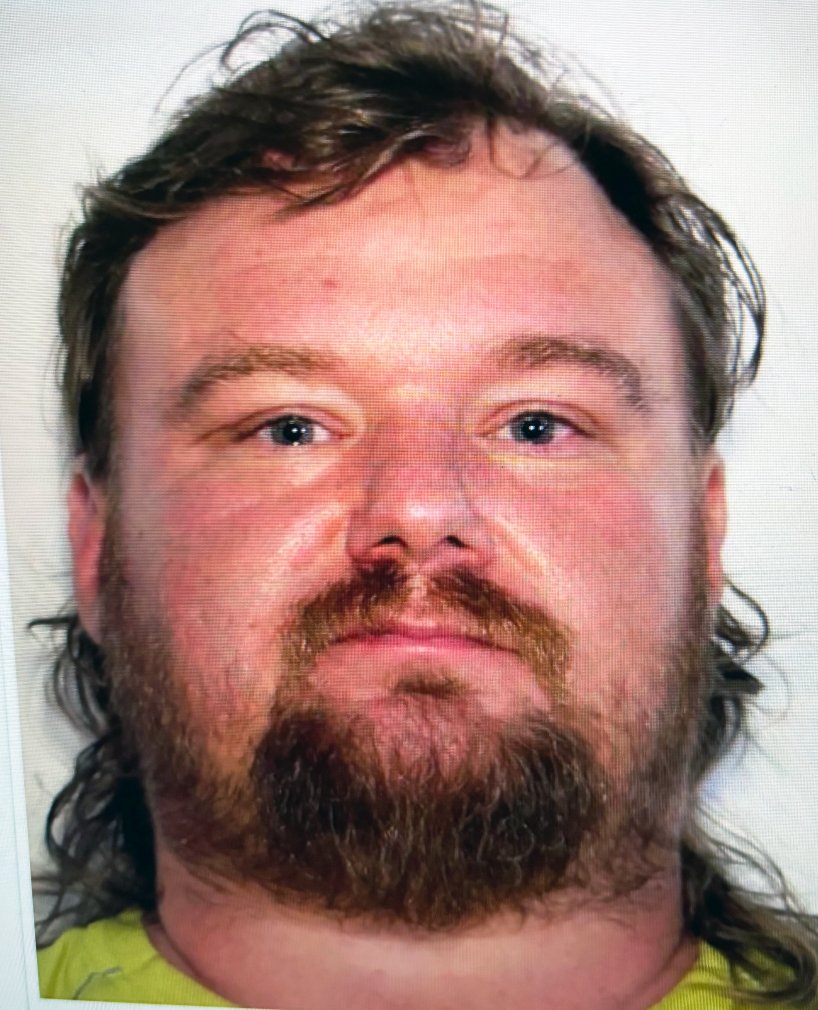
During the early morning hours of March 1, 2026, 53-year-old Ndiaga Diagne carried out a mass shooting in Austin, Texas, that killed three innocent people and wounded 15 others. The violence unfolded shortly before 2:00 a.m. in the crowded West Sixth Street entertainment district, where bars were closing and large numbers of customers, employees and pedestrians were gathered.
The attack began near Buford's Backyard Beer Garden, located at the intersection of West Sixth and Rio Grande streets. Investigators said Diagne drove through the area in a large sport utility vehicle and appeared to circle the block before stopping near the bar. At approximately 1:58 a.m., he allegedly fired a semiautomatic pistol from inside the vehicle toward people in and around the establishment.
Diagne then drove west toward Wood Street, parked the vehicle and continued the attack on foot. Armed with an AR-15-style rifle, he fired along West Sixth Street and nearby connecting roads. Witnesses described a chaotic scene as people ran for shelter, hid inside businesses and attempted to help those who had been struck.
Police Response and Diagne's Death
Austin police officers were already assigned to the entertainment district because of the large weekend crowds. They reacted within approximately one minute of the first reports of gunfire. Officers moved toward the shooting as Diagne continued through the area carrying the rifle.
Diagne exchanged gunfire with responding officers before being shot and killed by police. The attack lasted only several minutes, but it left victims scattered across a large section of the downtown district. Emergency medical crews entered the scene while officers secured the surrounding streets and searched for any additional threat.
Authorities ultimately determined that Diagne had acted as the gunman, although investigators continued examining whether anyone assisted him before the attack. His death at the scene meant that he could not be arrested, questioned or brought to trial. The police shooting remained subject to the standard administrative and criminal reviews conducted after officers use deadly force.
Victims of the Shooting
Three people were killed by Diagne during the attack. Two victims were pronounced dead at the scene on March 1, while a third victim died after being hospitalized. Fifteen additional people suffered injuries, including victims who initially remained in critical condition.
- Ryder Harrington, 19 — Killed on March 1, 2026, near Buford's Backyard Beer Garden in the West Sixth Street entertainment district of Austin, Texas. Harrington had previously attended Texas Tech University and was pronounced dead at the scene.
- Savitha Shanmugasundaram, 21 — Killed on March 1, 2026, near West Sixth and Rio Grande streets in Austin, Texas. She was a student at the University of Texas at Austin and was pronounced dead at the scene.
- Jorge Pederson, 30 — Shot during the March 1, 2026, attack in downtown Austin. Pederson, a Minnesota mixed martial arts fighter, was transported to a hospital with critical injuries and died on March 2 after being removed from life support.
The number of injured victims was eventually reported as 15. Some suffered gunshot wounds, while others were hurt amid the confusion and flight from the shooting. Austin-Travis County emergency personnel transported patients to several hospitals and reported that the most critically injured victims were removed from the scene within approximately 24 minutes.
Weapons and Evidence
Investigators recovered an AR-15-style rifle and a semiautomatic handgun associated with the attack. Authorities said the firearms had been legally purchased in San Antonio in 2017. A bomb squad examined Diagne's vehicle after the shooting, but no explosive device was found.
Police and federal agents collected firearms evidence, cartridge casings, surveillance recordings, cellphone videos and digital material from the extensive crime scene. Search warrants were executed at locations associated with Diagne, including a residence in Pflugerville and an apartment in the Del Valle area of Austin.
Investigators reported finding religious and political material among Diagne's belongings. He was reportedly wearing a sweatshirt displaying the words “Property of Allah” and another garment featuring the design of an Iranian flag. A Quran was found in his vehicle, while an Iranian flag and photographs of Iranian leaders were reportedly recovered during a residential search.
Investigation of a Possible Motive
The FBI joined the Austin Police Department's investigation and described the shooting as an act of targeted violence. The FBI's Joint Terrorism Task Force examined whether the attack had a connection to terrorism or international political events. Officials emphasized that the presence of religious or political items did not, by itself, establish Diagne's motive or prove that he belonged to a terrorist organization.
Investigators searched Diagne's electronic devices, financial records, communications and online activity to determine whether he planned the shooting alone. They also examined whether he had communicated with extremist organizations or received assistance. The FBI stated that Diagne had not previously been on its radar as a suspected terrorism threat.
Authorities did not immediately establish a definitive motive. Although evidence suggested that Diagne may have been influenced by political or religious grievances, investigators continued attempting to determine whether those beliefs directly caused the shooting or whether personal and psychological factors also contributed to his actions.
Diagne's Background
Ndiaga Diagne was a naturalized United States citizen originally from Senegal. Federal officials said he entered the United States on a tourist visa in March 2000, became a lawful permanent resident in 2006 and obtained citizenship in 2013. He had previously lived in New York City and San Antonio before residing in the Austin area.
Records revealed allegations of troubling behavior years before the mass shooting. Diagne's former wife filed for divorce in 2022 and accused him of cruel treatment. A law-enforcement report alleged that he pulled her from a vehicle, shoved her to the ground and threatened to kill or beat her. The divorce was completed in September 2022, and his former wife reportedly received sole custody of their children.
Weeks after the divorce, authorities were informed that Diagne had contacted a crisis center and threatened to harm himself. Deputies attempted to locate him at an address connected to his telephone account but discovered that he no longer lived there.
In another incident, an automobile-shop employee accused Diagne of threatening him with a firearm. Police stopped and searched Diagne's vehicle but did not locate a gun, and officers ultimately declined to file charges after reviewing available evidence.
A civil lawsuit also alleged that Diagne seriously injured pedestrian Jennifer Antoine with a company vehicle on Flatbush Avenue in Brooklyn on January 30, 2016. The lawsuit accused him and the vehicle's owner of negligent and reckless conduct. Antoine was described as suffering severe and permanent injuries, although the final outcome of the civil case was not publicly established.
Aftermath
The shooting caused an extensive closure of West Sixth Street as local and federal investigators documented the scene. Businesses remained inaccessible while officers marked evidence, searched rooftops and alleys, interviewed witnesses and collected recordings from security cameras.
The attack devastated the families of Ryder Harrington, Savitha Shanmugasundaram and Jorge Pederson. Their deaths also affected the universities, athletic communities and social circles to which they belonged. Vigils and memorials were organized as Austin residents mourned the victims and expressed support for the wounded survivors.
Because Diagne was killed during the police response, there was no criminal prosecution that could fully examine his actions in court. The continuing investigation instead focused on reconstructing his preparation, identifying his motive and determining whether warning signs had been overlooked. The March 1, 2026, attack became one of the deadliest episodes of violence in Austin's downtown entertainment district, leaving three families grieving and many survivors facing lasting physical and emotional injuries.