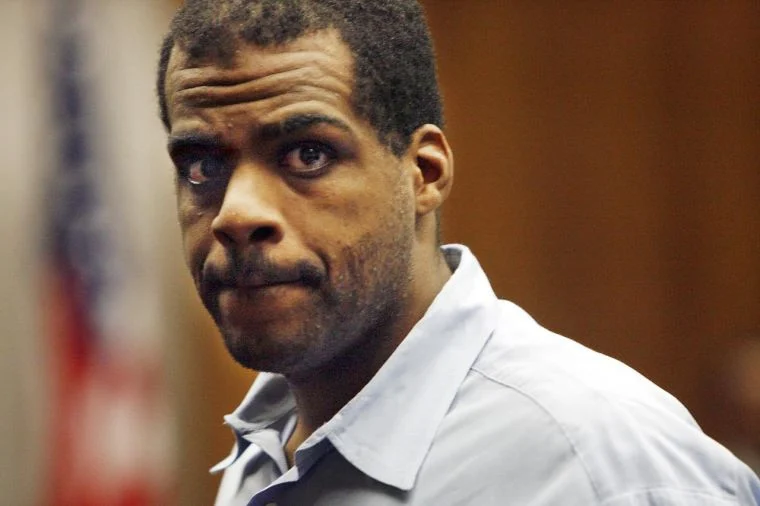
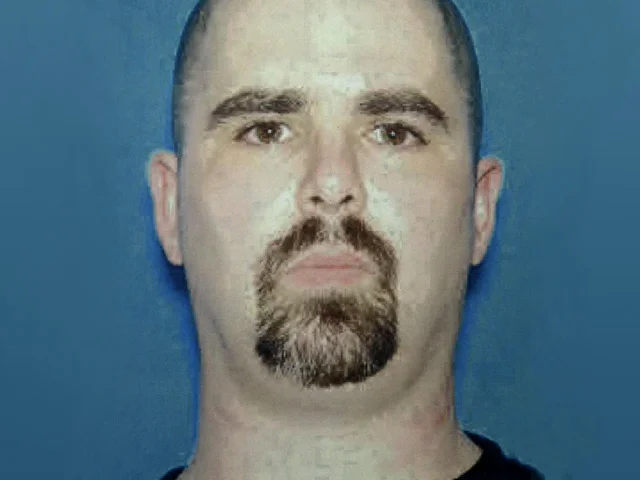
Daron Wint and the 2015 Washington, D.C. Mansion Murders
Overview of the Case
Daron Dylon Wint was convicted of murdering four people during a prolonged home invasion, kidnapping, extortion and arson at a mansion in Washington, D.C. The victims were businessman Savvas Savopoulos, his wife Amy Savopoulos, their 10-year-old son Philip Savopoulos and the family’s housekeeper, Veralicia Figueroa. The victims were held captive inside the Savopoulos residence from May 13 into May 14, 2015, while money was demanded from the family.
The killings became widely known as the Washington, D.C. mansion murders. Investigators determined that the attack was not a spontaneous burglary. The captors controlled the victims for many hours, arranged for a large amount of cash to be delivered to the house and attempted to destroy evidence by setting the residence on fire. Wint, a former employee of a company owned by Savvas Savopoulos, was ultimately linked to the crime through physical evidence, surveillance footage and his actions after the murders.
The Savopoulos Residence
The crimes occurred at the Savopoulos family home on Woodland Drive NW in the Woodley Park neighborhood of Washington, D.C. Savvas Savopoulos was the president and chief executive officer of American Iron Works, a Maryland-based construction and steel company. Wint had previously worked as a welder for the business, providing him with a connection to Savvas and his company.
On the evening of May 13, 2015, Savvas and Amy Savopoulos were inside the residence with their son Philip and housekeeper Veralicia Figueroa. The family’s two teenage daughters were away at boarding school and were not present. Another housekeeper who ordinarily worked at the residence was told not to come to the house the following morning, an instruction prosecutors argued had been made while the family was under the control of their captors.
The Hostage Situation
The four victims were restrained and held inside the house for approximately 19 hours. During that period, the perpetrators used the victims’ telephones to communicate with people outside the residence and to create the appearance that nothing was wrong. Messages were sent canceling appointments and discouraging visitors from coming to the property.
Savvas Savopoulos contacted his assistant, Jordan Wallace, and instructed him to obtain $40,000 in cash. The money was arranged in bundles and delivered to the house on May 14, 2015. Wallace left the package inside a vehicle in the garage as instructed. Prosecutors maintained that the demand for money was central to the kidnapping and extortion scheme.
Evidence presented at trial showed that Philip Savopoulos was subjected to particularly severe violence as a means of pressuring his parents to secure the cash. After the money arrived, the four captives were killed. The adults suffered blunt-force injuries, and Philip suffered both blunt-force and sharp-force injuries. The house was then deliberately set on fire.
Discovery of the Victims
At approximately 1:24 p.m. on May 14, 2015, firefighters were dispatched to the Savopoulos residence after smoke and flames were reported. Fire crews entered the house and found the bodies of Savvas, Amy, Philip and Veralicia. Investigators quickly determined that the fire was suspicious and that the four deaths were homicides rather than accidental fire fatalities.
The extensive fire damage complicated the examination of the scene, but investigators recovered important evidence. A Domino’s pizza had been delivered to the house on the night of May 13 while the victims were being held. DNA recovered from the crust of the pizza was matched to Wint, placing him inside the residence during the hostage period.
Victims
- Savvas Phillip Savopoulos — Age 46. Killed on May 14, 2015, inside his family residence on Woodland Drive NW in Washington, D.C. He was the president and chief executive officer of American Iron Works.
- Amy Clare Savopoulos — Age 47. Killed on May 14, 2015, inside the Woodland Drive residence in Washington, D.C. She was Savvas Savopoulos’s wife and the mother of Philip and the couple’s two daughters.
- Philip Savvas Savopoulos — Age 10. Killed on May 14, 2015, inside his family home in Washington, D.C. Evidence showed that he was tortured during the effort to force his parents to produce $40,000.
- Veralicia Figueroa — Age 57. Killed on May 14, 2015, inside the Savopoulos residence in Washington, D.C. She worked as a housekeeper for the family and was present when the home invasion began.
The Stolen Porsche and Destruction of Evidence
After the killings, the perpetrators took the $40,000 and fled in the family’s blue Porsche 911. The vehicle was later discovered burning in a parking lot near a church in New Carrollton, Maryland. Surveillance recordings captured a person abandoning the Porsche and leaving the area.
The burning of both the house and the Porsche demonstrated an organized attempt to eliminate physical evidence. Despite those efforts, investigators recovered Wint’s DNA from the pizza crust and assembled additional evidence connecting him to the crime, the stolen vehicle and the cash taken from the Savopoulos family.
Identification of Daron Wint
Once the DNA profile was identified, authorities learned that Wint had previously worked for American Iron Works. Police obtained a warrant charging him with first-degree murder and began searching locations associated with him in Maryland, New York and Washington, D.C.
Wint initially traveled away from the Washington area after the murders. Investigators tracked communications involving his associates and eventually determined that he had returned. On May 21, 2015, members of a federal fugitive task force followed two vehicles connected to Wint in Northeast Washington.
Arrest
Police stopped a Chevrolet Cruze and a box truck traveling together. Wint was found hiding in the back seat of the Cruze and was taken into custody. Authorities also detained several people who were traveling with him, although Wint was the only person ultimately prosecuted for the four murders.
Investigators recovered thousands of dollars in cash from the vehicles. Some of the money was arranged in bundles that prosecutors argued were consistent with the manner in which the $40,000 ransom had been prepared. Wint was initially charged with murder and later faced a broader indictment covering kidnapping, extortion, robbery, burglary and arson.
Claims That Others Were Involved
Authorities repeatedly stated that evidence suggested more than one person may have participated in controlling the four victims and carrying out the complicated sequence of events. The prosecution nevertheless argued that Wint was legally responsible for every part of the crime, whether he acted alone or with accomplices who were never identified or charged.
At trial, Wint’s defense attempted to shift responsibility to other individuals, including members of his own family. His attorneys acknowledged that Wint had been connected to the residence but argued that other people committed the killings. Prosecutors characterized those claims as unsupported efforts to explain the overwhelming physical and circumstantial evidence against him.
Trial and Evidence
Wint’s trial began in September 2018 in the Superior Court of the District of Columbia. Prosecutors presented the DNA recovered from the pizza crust, surveillance recordings, cellphone evidence, witness testimony and evidence relating to the stolen cash and burned Porsche.
The government argued that Wint knew Savvas through his former employment and selected the family because he believed Savvas had access to substantial money. Prosecutors described the crime as a carefully controlled extortion plot in which the victims were kept alive until the cash was delivered and then murdered to prevent them from identifying their captors.
The defense challenged the prosecution’s reconstruction of the crime and emphasized the possibility that additional perpetrators had been present. Wint testified and denied killing the victims. Jurors rejected his account after considering the combined physical evidence and circumstances surrounding his flight and arrest.
Conviction
On October 25, 2018, the jury found Daron Wint guilty on all 20 counts submitted for its consideration. The convictions included first-degree murder while armed, felony murder, kidnapping, extortion, burglary, robbery and arson-related offenses.
The verdict established Wint’s responsibility for the deaths of all four victims and for the extended hostage and ransom operation that preceded the killings. Although investigators believed other people may have assisted him, no additional defendant was convicted in connection with the murders.
Sentencing
On February 1, 2019, Wint was sentenced to four consecutive terms of life imprisonment without the possibility of release. The consecutive sentences represented one life term for each person murdered. Additional prison terms were imposed for the kidnapping, extortion and related offenses.
During sentencing, the court emphasized the calculated nature of the crimes, the prolonged captivity of the victims and the killing of a child. Wint continued to deny responsibility, while relatives and friends of the victims described the permanent devastation caused by the loss of four members of their family and household.
Appeal
Wint appealed his convictions and argued that the trial court had improperly limited evidence that his attorneys wanted to present in support of their theory that other people committed the murders. On December 15, 2022, the District of Columbia Court of Appeals upheld the convictions and declined to grant him a new trial.
The appellate court concluded that although certain defense evidence should have been admitted, the error did not justify overturning the verdict because of the strength of the remaining evidence against Wint. His four consecutive life-without-release sentences therefore remained in effect.
Legacy of the Crime
The Savopoulos mansion murders remain among the most notorious crimes in modern Washington, D.C. history. The case drew widespread attention because of the lengthy captivity, the demand for ransom, the murder of an entire household and the deliberate burning of the crime scene.
The investigation also demonstrated how a small piece of discarded evidence could become central to a major murder case. Wint’s DNA on the pizza crust gave detectives the identification they needed, while financial, digital and surveillance evidence helped prosecutors reconstruct the kidnapping and extortion plot. The final judgment held Wint criminally responsible for the murders of Savvas, Amy and Philip Savopoulos and Veralicia Figueroa on May 14, 2015.