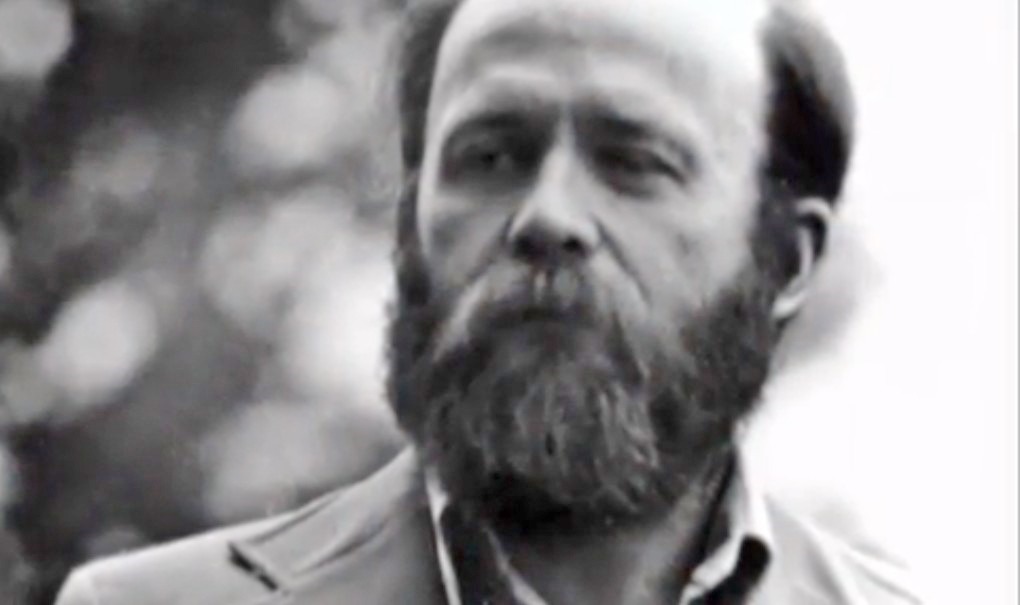
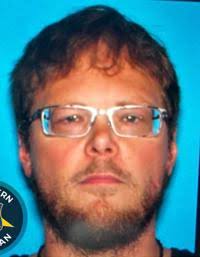
Ian David Long and the 2018 Borderline Bar and Grill Massacre
Overview of the Mass Shooting
Ian David Long was responsible for the mass shooting at the Borderline Bar and Grill in Thousand Oaks, California, during the late evening of November 7, 2018. Long entered the crowded country-western bar and opened fire during its weekly College Country Night. He murdered 11 patrons and employees before exchanging gunfire with responding law-enforcement officers. Ventura County Sheriff’s Sergeant Ron Helus was mortally wounded during the response, bringing the number of victims killed to 12. Long later died from a self-inflicted gunshot wound inside the building.
The Borderline Bar and Grill was located at 99 Rolling Oaks Drive in Thousand Oaks, approximately 40 miles northwest of Los Angeles. College Country Night was especially popular among students from Pepperdine University, California Lutheran University, California State University Channel Islands, and Moorpark College. More than 200 patrons and employees were reportedly inside when the attack began shortly after 11:18 p.m.
Ian David Long’s Background
Ian David Long was born on March 27, 1990, and lived with his mother in Newbury Park, a community within Thousand Oaks. He graduated from Newbury Park High School in 2008 and entered the United States Marine Corps that August. Long trained as a machine gunner, reached the rank of corporal, and served in Afghanistan from November 2010 until June 2011. He was honorably discharged from the Marine Corps in March 2013.
After leaving the military, Long attended California State University, Northridge, where he studied athletic training but did not graduate. People who knew him described significant changes in his behavior following his military service. Investigators later documented evidence that he had experienced post-traumatic stress symptoms, anxiety, depression, chronic pain, anger, and difficulty adjusting to civilian life. These conditions, however, do not by themselves explain or excuse his decision to commit mass murder.
Law-enforcement officers had previously encountered Long during disturbances. In April 2018, deputies responded to his home after reports that he was acting irrationally and aggressively. A mental-health crisis team evaluated him but determined that he did not meet the legal requirements for involuntary detention. No firearms were removed from the residence at that time.
Preparation and Weapons
Long armed himself with a legally purchased Glock 21SF semiautomatic pistol chambered in .45 caliber. Investigators determined that he carried multiple prohibited high-capacity magazines and approximately 190 rounds of ammunition. He also possessed a folding knife, smoke-producing devices, and fireworks. A tactical light and laser aiming device were attached to the handgun.
Long wore dark clothing and drove his mother’s vehicle to the Borderline Bar and Grill. Evidence gathered during the investigation indicated that he was familiar with the establishment and had previously visited it. His equipment, ammunition supply, and actions after entering the building demonstrated that the attack was deliberate rather than an impulsive confrontation.
The Attack Begins
At approximately 11:18 p.m. on November 7, 2018, Long approached the front entrance of the Borderline Bar and Grill. He immediately began firing at people near the doorway and front service area. Among the first people attacked was employee and security worker Sean Adler. Long then moved farther inside and fired repeatedly at patrons attempting to understand what was happening or find an escape route.
Long threw smoke devices into the crowded building, adding smoke and confusion to the darkness, loud music, and sound of gunfire. Witnesses initially mistook the shots for balloons bursting or part of the evening’s entertainment. Once the danger became clear, patrons ran toward exits, hid beneath tables, entered restrooms and storage spaces, or attempted to break windows.
Several people used chairs and barstools to smash windows so others could climb outside. Some patrons helped injured friends over fences and walls surrounding the property. Others remained concealed in bathrooms, an attic area, or behind furniture while Long moved through the establishment. The crowd’s improvised escape efforts allowed many people to survive.
Long’s Movements Inside the Bar
Long fired 61 rounds during the massacre. He shot people in the bar’s entrance area, dance floor, kitchen, office, and surrounding sections. Investigators concluded that most of the civilian victims were killed during the first several minutes of the attack. Long appeared to fire deliberately at people who were attempting to escape, hide, or confront him.
At one point, Long entered or remained near the bar’s front office, where security-camera monitors allowed him to observe activity outside and around the entrances. During the attack, he posted messages on social media. The postings suggested that he expected extensive publicity and understood that his actions would result in widespread suffering and public attention.
Law-Enforcement Response
People escaping the bar alerted two California Highway Patrol officers who were conducting a traffic stop nearby. The officers arrived in the parking lot within minutes. Ventura County Sheriff’s Sergeant Ron Helus soon joined them. Helus was a highly experienced officer with approximately 29 years of service and was nearing retirement.
At approximately 11:25 p.m., Helus and a California Highway Patrol officer entered through the front doorway. Long fired at them almost immediately. Helus was struck five times by rounds fired from Long’s .45-caliber pistol. The California Highway Patrol officer returned fire during the dark and chaotic confrontation.
Helus was also accidentally struck by a rifle round fired by the Highway Patrol officer. A later investigation determined that the final round caused the fatal wound to Helus’s heart. Authorities emphasized that Long’s attack created the deadly confrontation and that Helus had entered the building to protect the people trapped inside. His actions diverted Long’s attention and helped give additional patrons time to escape.
End of the Massacre
After exchanging gunfire with the officers, Long retreated farther into the building. Additional officers surrounded the bar while emergency personnel treated people outside. Tactical teams later entered and searched the establishment. Long was discovered dead in an office near the entrance from a self-inflicted gunshot wound.
The shooting continued into the early minutes of November 8, 2018, although the incident is generally identified by its starting date of November 7. Twelve victims were killed, not including Long. One additional person suffered a nonfatal gunshot wound, while numerous others were injured by broken glass, falls, trampling, smoke, or injuries sustained while escaping.
Victims Killed at the Borderline Bar and Grill
- Sean Matthew Adler, 48 – Adler was an employee and security worker at the Borderline Bar and Grill. He was attacked near the entrance when Long began shooting on November 7, 2018, at 99 Rolling Oaks Drive in Thousand Oaks, California.
- Alaina Maria Housley, 18 – Housley was a freshman at Pepperdine University. She had attended College Country Night with friends and was killed inside the Borderline Bar and Grill on November 7, 2018.
- Cody Steven Coffman, 22 – Coffman lived in Camarillo and was preparing to join the United States Army. He was killed inside the bar during the November 7, 2018, attack.
- Justin Meek, 23 – Meek was a recent California Lutheran University graduate who worked at the bar as a promoter and security employee. Witnesses credited him with helping other people escape before he was killed inside the building.
- Telemachus Orfanos, 27 – Orfanos was a United States Navy veteran. He had survived the October 1, 2017, mass shooting at the Route 91 Harvest Festival in Las Vegas but was killed at the Borderline Bar and Grill on November 7, 2018.
- Daniel Manrique, 33 – Manrique was a United States Marine Corps veteran who assisted other veterans through Team Red, White and Blue. He was killed inside the bar during the massacre.
- Jake Dunham, 21 – Dunham was a resident of Newbury Park and a friend of fellow victim Blake Dingman. He was killed inside the Borderline Bar and Grill on November 7, 2018.
- Blake Dingman, 21 – Dingman was from Newbury Park and attended the event with friends. He and Jake Dunham were among those killed inside the establishment.
- Noel Sparks, 21 – Sparks was a student at Moorpark College and worked with children at a local church. She was killed during the shooting inside the Borderline Bar and Grill.
- Kristina Morisette, 20 – Morisette worked as a cashier at the Borderline Bar and Grill. She was working during College Country Night when Long entered and began firing.
- Mark Meza Jr., 20 – Meza was an employee of the Borderline Bar and Grill. He was killed inside the establishment during the November 7, 2018, massacre.
- Sergeant Ronald Lee Helus, 54 – Helus was a Ventura County sheriff’s sergeant who entered the bar to confront the attacker. Long shot him five times, and he was also accidentally struck by a fatal round fired by a responding California Highway Patrol officer. Helus died after being transported to Los Robles Regional Medical Center in Thousand Oaks during the early hours of November 8, 2018.
Investigation of the Motive
Investigators from the Ventura County Sheriff’s Office and the Federal Bureau of Investigation conducted hundreds of interviews and examined Long’s computers, telephone, social-media activity, military history, medical background, possessions, vehicle, and residence. No single event was identified as a definitive trigger for the massacre.
A detailed investigative report released in 2021 found that Long displayed hostility toward civilians and resentment toward people he considered insufficiently connected to military service. Investigators considered the possibility that he deliberately chose College Country Night because it attracted young civilian students. Authorities nevertheless stated that this theory could not be established with absolute certainty.
Long’s social-media messages during the attack indicated that he wanted people to debate his motive and that he anticipated becoming the subject of intense media coverage. The investigation found no evidence that he acted on behalf of a terrorist organization or that another person assisted him in carrying out the shooting.
Community Impact and Memorials
The massacre devastated Thousand Oaks, which had previously been regarded as one of the safest communities in the United States. Family members gathered at hospitals and emergency assistance centers throughout November 8, waiting for information about missing relatives. As the victims were identified, memorials of flowers, photographs, candles, flags, crosses, and handwritten messages appeared outside the closed bar.
The tragedy was particularly painful because several patrons had survived the Route 91 Harvest Festival shooting in Las Vegas just over a year earlier. Telemachus Orfanos survived that earlier massacre but was murdered at Borderline. Other Las Vegas survivors escaped from the Thousand Oaks attack, forcing them to experience another episode of mass violence.
Public memorial services honored the 11 civilian victims and Sergeant Helus. The victims’ families established scholarships, charitable projects, public-safety initiatives, and memorial foundations. Annual remembrance ceremonies have continued to recognize the lives lost on November 7, 2018.
Aftermath
The Borderline Bar and Grill remained closed following the massacre. The attack prompted renewed debate regarding high-capacity magazines, firearm restrictions, mental-health interventions, emergency-response procedures, and the long-term treatment of military veterans experiencing psychological distress.
Investigations into the law-enforcement response concluded that Sergeant Helus and the California Highway Patrol officers acted courageously under extraordinarily dangerous conditions. The accidental shooting of Helus led agencies to examine training, radio communication, equipment identification, and coordination among officers from different departments responding to active-shooter incidents.
Ian David Long murdered 12 people and wounded or traumatized many others during a brief but carefully prepared attack. His suicide prevented a criminal trial and left many questions unresolved. The lasting history of the Borderline massacre is centered on the victims, the survivors who helped one another escape, the first responders who entered the building, and the families whose lives were permanently changed by the violence.