Chai Vang and the 2004 Wisconsin Hunting Murders
Background
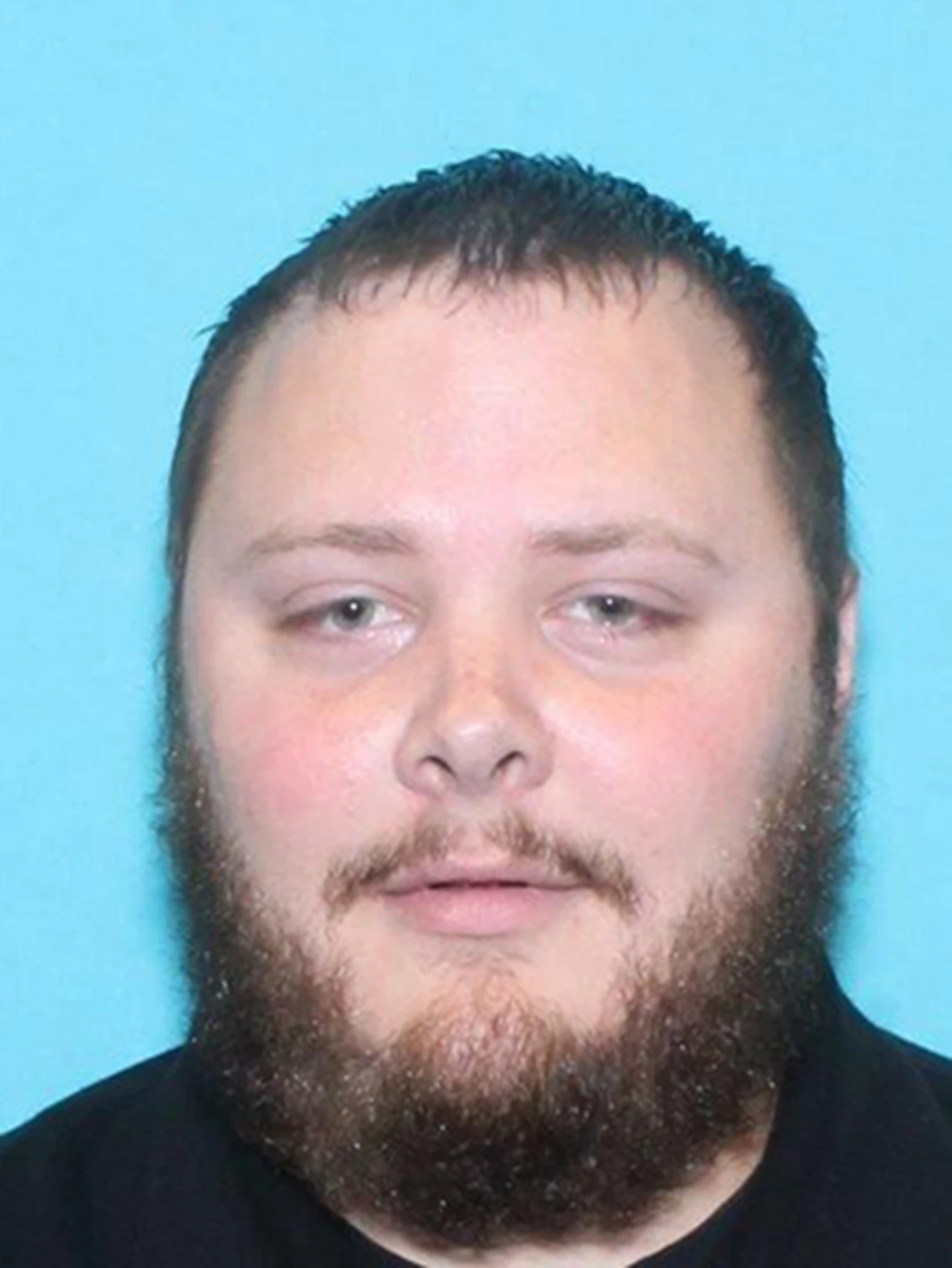
Chai Soua Vang was a 36-year-old truck driver from St. Paul, Minnesota, when he committed one of the deadliest hunting-related mass shootings in United States history. Vang, who was born in Laos on September 24, 1968, was a member of the Hmong American community and had previously served for approximately six years in the California National Guard. He was an experienced hunter and owned a semiautomatic Saiga rifle chambered for 7.62-by-39-millimeter ammunition.
On the weekend of November 20 and 21, 2004, Vang traveled to northwestern Wisconsin with several companions for the opening weekend of the state’s deer-hunting season. The group was hunting in the wooded countryside east of Birchwood, near the small community of Meteor in Sawyer County. The region contained a mixture of public forest and privately owned hunting land, making property boundaries an important issue for hunters in the area.
Encounter on Private Hunting Property
On the morning of Sunday, November 21, 2004, Vang became separated from his companions and entered a privately owned tract of approximately 400 acres. The property was used by an extended group of relatives and friends who gathered there each year for deer season. Vang climbed into a tree stand located on the private land and remained there until he was discovered by property co-owner Terry Willers.
Willers contacted others at the hunting cabin by radio to determine whether anyone in their party was supposed to be using the stand. After learning that the hunter was a stranger, Willers approached Vang and informed him that he was trespassing. Vang climbed down and began walking away. Other members of the hunting party were called to the location, and a heated verbal confrontation developed.
The precise words and actions that immediately preceded the shooting were disputed at Vang’s trial. Survivors acknowledged that insulting and racially offensive language was directed at Vang. Vang claimed that one of the hunters fired at him as he attempted to leave and that he initially fired in self-defense. The surviving hunters testified that no one fired at Vang before he began shooting. Investigators found physical evidence showing that several victims were struck while running or facing away from him, undermining his claim that every shot was necessary to protect himself.
The Shooting Rampage
Vang opened fire with his semiautomatic rifle and continued shooting as members of the hunting party attempted to flee, seek cover, radio for help, or reach the scene from the nearby cabin. He fired approximately 20 rounds during the attack. The violence occurred across multiple points along a wooded trail rather than in one stationary confrontation.
Terry Willers was shot and wounded near the beginning of the attack. Mark Roidt and Dennis Drew were also fired upon in the initial area. Lauren Hesebeck was seriously wounded but remained alive by lying still and attempting to avoid further attention. Robert Crotteau used a radio to warn people at the cabin and request assistance, but Vang pursued and shot him.
Robert’s 20-year-old son, Joseph “Joey” Crotteau, attempted to escape down a trail. Vang chased him and fired repeatedly. Evidence presented at trial showed that Joey was struck several times while fleeing. Vang later admitted shooting victims who were moving away from him, maintaining that he believed they remained threats.
After hearing the calls for help, Allan Laski and Jessica Willers traveled toward the scene on an all-terrain vehicle. Vang concealed himself near the trail and fired as they approached. Both were struck. Prosecutors argued that this portion of the attack demonstrated that Vang was no longer reacting to an immediate confrontation but was deliberately shooting additional members of the group as they arrived.
Vang later returned toward the location where some of the first victims had fallen. He encountered the wounded Lauren Hesebeck and fired again. Hesebeck managed to obtain a rifle and discharge a shot in Vang’s direction. Vang then fled through the woods after exhausting or discarding much of his ammunition.
Victims Killed
- Robert James “Bob” Crotteau, 42 — Killed on November 21, 2004, on private hunting property near Meteor in Sawyer County, Wisconsin. He was the father of Joseph Crotteau and was shot after attempting to warn others by radio.
- Joseph G. “Joey” Crotteau, 20 — Killed on November 21, 2004, near Meteor, Wisconsin. He was pursued and repeatedly shot while attempting to escape along a wooded trail.
- Allan James Laski, 43 — Killed on November 21, 2004, near Meteor, Wisconsin. He was shot after traveling toward the scene on an all-terrain vehicle in response to calls for assistance.
- Mark Joshua Roidt, 28 — Killed on November 21, 2004, near Meteor, Wisconsin. He was among the hunters present during the initial confrontation and shooting.
- Jessica Marie Willers, 27 — Killed on November 21, 2004, near Meteor, Wisconsin. She was Terry Willers’ daughter and was shot after arriving near the attack site with Allan Laski.
- Dennis Robert “Denny” Drew, 55 — Fatally shot during the November 21, 2004, attack near Meteor, Wisconsin. He was a longtime member of the group that gathered on the property for deer season.
Surviving Victims
- Terry Willers, 47 — Shot and wounded on November 21, 2004, near Meteor, Wisconsin. Willers was a co-owner of the property and the first person to confront Vang about trespassing.
- Lauren Hesebeck, 48 — Seriously wounded on November 21, 2004, near Meteor, Wisconsin. He survived the initial shooting and a later encounter in which Vang returned and fired toward him again.
Escape and Arrest
After leaving the crime scene, Vang walked through the forest and eventually encountered another hunter who was not connected to the victims. Vang reportedly told the man that he had become lost. The hunter offered him a ride on an all-terrain vehicle and transported him back toward the cabin where Vang’s own companions were staying.
By that time, authorities had obtained information identifying Vang as the suspected shooter. Law-enforcement officers were waiting when he returned to the cabin approximately five hours after the killings. Vang was arrested without further violence and taken to the Sawyer County Jail. His rifle was recovered, and investigators began reconstructing the sequence of shootings through survivor accounts, radio communications, cartridge casings, bullet paths and autopsy findings.
Charges and Trial
Vang was charged with six counts of first-degree intentional homicide and three counts of attempted first-degree intentional homicide. The attempted-homicide charges involved the two wounded survivors and the additional gunfire directed at Hesebeck during the later encounter.
His trial began in September 2005 at the Sawyer County Courthouse in Hayward, Wisconsin. Because of extensive publicity and concern about finding impartial jurors in northwestern Wisconsin, the jury was selected from Dane County and transported to Sawyer County for the proceedings.
Vang testified in his own defense. He said he feared that the hunters would kill him and maintained that the shooting began only after someone fired a weapon at him. He described the confrontation as hostile and racially charged. The defense argued that Vang initially acted out of fear and that language and cultural differences affected how he understood the confrontation and questions asked during the trial.
Prosecutors emphasized that Vang continued firing after the original dispute had ended. They presented evidence that multiple victims were shot while fleeing, that several were struck from behind and that Vang pursued people through the woods. The prosecution argued that even if Vang initially believed he faced danger, his later actions amounted to intentional murder rather than lawful self-defense.
During cross-examination, Vang made damaging statements about some of the victims. When questioned about whether certain men deserved to die, he answered affirmatively before his attorneys later argued that he had misunderstood the wording of the questions. His detailed descriptions of chasing and shooting victims also strengthened the prosecution’s argument that the killings were deliberate.
Conviction and Sentence
On September 16, 2005, the jury found Chai Vang guilty on all nine charges. He was convicted of six counts of first-degree intentional homicide and three counts of attempted first-degree intentional homicide.
On November 8, 2005, Vang was sentenced to six consecutive life terms for the murders, with no possibility of parole. He also received an additional 70 years of imprisonment for the attempted murders and related sentencing enhancements. The consecutive sentences ensured that he would remain incarcerated for the rest of his life.
Impact of the Murders
The killings devastated several interconnected families and transformed a traditional deer-hunting gathering into a scene of mass violence. The murder of Robert and Joseph Crotteau eliminated two generations of the same family, while Terry Willers survived the attack but lost his daughter, Jessica. Other survivors and witnesses were left with severe physical injuries and lasting psychological trauma.
The case also intensified racial tensions between some longtime Wisconsin residents and members of the Hmong community, many of whom traveled from Minnesota and Wisconsin cities to hunt in rural areas. Hmong organizations condemned the murders and warned against blaming an entire ethnic community for Vang’s actions. State officials, hunting groups and community leaders called for restraint and encouraged hunters to report trespassing disputes to authorities rather than confronting strangers in isolated areas.
The November 21, 2004, murders remain one of Wisconsin’s most notorious mass killings. Although the incident began with a disagreement over a tree stand and private property, the jury concluded that Vang’s sustained pursuit and shooting of multiple hunters constituted intentional homicide. Six people were killed, two were seriously wounded and Chai Vang received a sentence guaranteeing that he would spend the remainder of his life in prison.