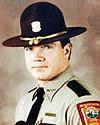
In the cold, early hours of a Saint Paul winter, a dedicated police officer’s life was tragically cut short, leaving a family devastated and a city in pursuit of elusive justice. Charles Mayer, a 41-year-old husband and father of five, was a respected officer with the Saint Paul Police Department. A White male, he had served for four years and was assigned to the department's Bicycle Squad, a role that put him on the front lines of community patrol. He was known as a man committed to his duty and his family.
On February 1, 1902, at approximately 2:20 a.m., Officer Mayer was on his beat when he discovered a burglary in progress at the intersection of University Avenue and Farrington Avenue. He came upon three men attempting to break into a butcher shop. It is believed the men were not merely planning a simple theft; evidence found at the scene, including a bottle of nitroglycerin, suggested they intended to blow open the shop's safe.
As Officer Mayer bravely confronted the trio, the encounter turned violent. One of the suspects fired a .44 caliber handgun, striking the officer in the groin. Despite his grievous wound, Officer Mayer managed to draw his own weapon and return fire, though he did not hit any of his assailants as they fled into the darkness. Officer Charles Mayer died from his injuries, leaving behind his wife and their five children.
The murder of a police officer sparked an immediate and intensive investigation. The Saint Paul Police Department launched a widespread manhunt for the three men responsible. A significant reward of $1,500 was quickly assembled and offered for information that would lead to the arrest and conviction of the killers. This substantial sum was a combined effort, with contributions from the Governor of Minnesota, the Saint Paul City Council, and the Ramsey County Commissioners. The suspects were described as being three men, two estimated to be between 21 and 25 years old, and a third believed to be around 36.
The investigation eventually led authorities to Kansas, where three suspects matching the descriptions were located and arrested in connection with Officer Mayer's murder. Hopes for justice were high as the men were taken into custody. However, the case against them ultimately faltered. The suspects had to be released due to a lack of sufficient evidence. A critical blow to the prosecution's case came when a key witness refused to testify against the men, leaving the authorities with no choice but to let them go.
In a tragic postscript to this case, one of the men who had been arrested and released for Officer Mayer's murder would go on to kill again. On January 14, 1909, seven years after the Saint Paul shooting, this same suspect shot and killed Officer Lafayette Smith of the Omaha, Nebraska Police Department. Justice in that case was swift; the suspect was later shot and killed by another Omaha police detective during an ensuing confrontation.
Despite the initial arrests and the connection to a later crime, no one was ever convicted for the murder of Officer Charles Mayer. The case grew cold over the decades, becoming one of the city's lingering unsolved homicides. Officer Mayer is remembered for his bravery and his ultimate sacrifice in the line of duty, a four-year veteran of the force who gave his life protecting the citizens of Saint Paul. His name is honored as a fallen officer who was senselessly killed while confronting violent criminals. The case officially remains open, a somber chapter in the history of Minnesota law enforcement.