James Edward Pough and the 1990 Jacksonville Massacre
Background
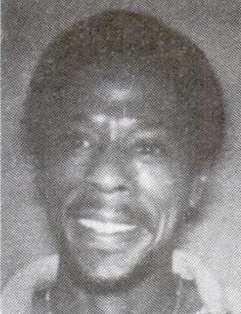
James Edward “Pop” Pough was a 42-year-old Jacksonville, Florida, laborer who carried out a two-day shooting rampage on June 17 and June 18, 1990. He murdered eleven people during the rampage, wounded six others and died by suicide at the final crime scene. Nine of the fatalities resulted from his attack on a General Motors Acceptance Corporation office in Jacksonville’s Baymeadows area.
Pough was born on February 16, 1948, in Jacksonville. People who knew him described him as quiet and withdrawn, although he reportedly became angry during disputes involving money, automobiles and personal relationships. His life deteriorated during the years preceding the massacre. His mother died, his marriage ended and he experienced continuing financial problems.
Pough had also committed a previous homicide. On May 8, 1971, he became involved in an argument with his friend, 27-year-old David Lee Pender. During the confrontation, Pough obtained a .38-caliber revolver and shot Pender three times. Pender later died at a hospital. Pough was initially charged with a serious homicide offense, but the case was reduced after he pleaded guilty to aggravated assault. He received five years of probation.
Financial Problems and the Repossessed Car
In December 1988, Pough acquired a red 1988 Pontiac Grand Am. He soon fell behind on the payments, and the vehicle was voluntarily repossessed by General Motors Acceptance Corporation, commonly known as GMAC, in January 1990. GMAC later sought more than $6,000 in remaining expenses and unpaid obligations connected to the account.
Pough reportedly became deeply resentful about the repossession and the continuing debt. His final known contact with the GMAC office occurred in April 1990. Investigators later considered the automobile dispute an important possible motive for the massacre, although authorities could not determine whether it was the only cause of his actions.
Approximately two months before the attack, Pough purchased a Universal M1 carbine from a pawnshop. He also possessed a .38-caliber revolver and a 9mm semiautomatic pistol. His acquisition of firearms became controversial after the massacre because of his earlier criminal record and documented history of violence.
The First Murders on June 17, 1990
Pough began his final rampage shortly after midnight on Sunday, June 17, 1990, in northwestern Jacksonville. Carrying the M1 carbine concealed in a blanket, he approached several men gathered near a street corner. Without any established personal dispute with the group, he opened fire and fatally wounded 39-year-old Louis Carl Bacon.
Minutes later and only a few blocks away, Pough encountered 30-year-old Doretta Elaine Drake in or near a vacant parking area. He struck Drake with his vehicle, got out and shot her in the head. Investigators believed the attacks on Bacon and Drake were essentially random.
Later that night, Pough stopped two teenagers and asked them for directions. After they responded, he shot both of them in the shoulder. Christopher Jerome Shorter, 17, and Lynette Patrice Johnson, 18, survived their wounds.
Pough was also linked to robberies committed during the weekend. On the morning of June 18, he entered a Jacksonville convenience store carrying a handgun, threatened the clerk and demanded money from the cash register. He reportedly indicated that he believed he had nothing left to lose. He then left the store and continued preparing for the attack on GMAC.
The GMAC Office Massacre
On Monday, June 18, 1990, Pough drove to the General Motors Acceptance Corporation office at 7870 Baymeadows Way in Jacksonville. Approximately 85 employees were working inside the open office building, while customers were conducting routine financial business at the front counter.
At approximately 10:44 a.m., Pough entered through the front door carrying the M1 carbine and a .38-caliber revolver. He had several loaded magazines and additional ammunition in his clothing. A loaded 9mm pistol and more ammunition were left inside his car.
Pough did not announce a robbery or demand to speak with anyone. He immediately fired at customers standing near the front counter. Julia Ann Burgess was fatally wounded, while David Hendrix was struck several times and critically injured.
Pough then moved through the office, firing at employees as they attempted to hide beneath desks or escape through doors at the rear of the building. Some workers crawled across the floor, barricaded themselves in rooms or fled outside. Others used telephones to contact emergency dispatchers while gunfire continued around them.
The attack lasted less than two minutes. Pough fired at least 28 rounds from the carbine and struck numerous employees and customers. After reaching another area of the office, he stopped firing the rifle, placed the .38-caliber revolver against his head and died by suicide.
Police officers and emergency medical personnel entered the building and found victims throughout the office. Six victims were declared dead at the scene, while others were transported to Jacksonville hospitals. Several died shortly after arrival. Jewel Louise Belote remained hospitalized for nine days before dying from her wounds on June 27, 1990.
Fatal Victims
- David Lee Pender, 27 — Shot by Pough on May 8, 1971, in Jacksonville, Florida. Pender later died at a hospital.
- Louis Carl Bacon, 39 — Shot and killed shortly after midnight on June 17, 1990, near a street corner in northwestern Jacksonville.
- Doretta Elaine Drake, 30 — Struck by Pough’s vehicle and fatally shot on June 17, 1990, near a vacant parking area in Jacksonville.
- Julia Ann Burgess, 42 — A customer shot near the front counter of the GMAC office at 7870 Baymeadows Way on June 18, 1990.
- Drew Winston Woods, 38 — A GMAC employee shot at his desk during the June 18, 1990, massacre.
- Cynthia Leigh Perry, 30 — A GMAC employee fatally shot inside the Baymeadows office on June 18, 1990.
- Barbara Jean Holland, 45 — A GMAC employee killed during the office shooting on June 18, 1990.
- Janice Faye David, 40 — A GMAC employee fatally wounded as Pough moved through the office on June 18, 1990.
- Sharon Louise Hall, 45 — A GMAC employee killed in the Baymeadows office attack on June 18, 1990.
- Lee Merlin Simonton, 33 — A GMAC employee fatally shot inside the office on June 18, 1990.
- Denise Diane Highfill, 36 — A GMAC employee and the wife of a Jacksonville police officer. She was transported to a hospital but died shortly after the June 18, 1990, attack.
- Jewel Louise Belote, 50 — A GMAC employee wounded on June 18, 1990. She remained hospitalized until her death on June 27, 1990.
Wounded Survivors
- Christopher Jerome Shorter, 17 — Shot in the shoulder after Pough asked him for directions in Jacksonville on June 17, 1990.
- Lynette Patrice Johnson, 18 — Shot in the shoulder during the same June 17, 1990, encounter.
- David Hendrix, 25 — A GMAC customer shot several times near the front counter on June 18, 1990. He survived serious injuries.
- Phyllis Griggs — A GMAC employee wounded during the June 18, 1990, office shooting.
- Ron Echevarria — A GMAC employee wounded during the attack at 7870 Baymeadows Way.
- Nancy Dill — A GMAC employee wounded during the June 18, 1990, massacre.
Evidence Found After the Massacre
Investigators searched Pough’s automobile and recovered the loaded 9mm semiautomatic pistol, magazines and additional ammunition. They also found twelve pieces of nylon rope, each approximately two feet long. The ropes caused investigators to consider whether Pough might originally have planned to bind employees or take hostages before deciding to begin shooting immediately.
Police searched Pough’s residence and found that it had been left in disarray. A calendar reportedly contained two dates circled in red: May 8, the anniversary of David Pender’s 1971 shooting, and June 18, the date of the GMAC massacre. The discovery suggested that the attack may have been planned rather than committed during a sudden emotional outburst.
Pough had also contacted his work supervisor before the GMAC shooting and said that he would not be reporting for work because he had something else to do. He reportedly visited his mother’s grave during the final hours before the massacre.
Motive and Warning Signs
The repossession of Pough’s Pontiac and the remaining GMAC debt were widely viewed as the most direct grievances connecting him to the Baymeadows office. However, investigators found evidence of broader personal instability, including marital separation, financial pressure, isolation, anger and previous threats involving firearms.
Pough’s estranged wife had obtained a court injunction preventing him from contacting her. She later described incidents in which he threatened her with a gun. Relatives also reported that he had become increasingly despondent following his mother’s death and had made disturbing statements suggesting that he intended to harm someone before dying.
No evidence showed that Pough personally knew the GMAC employees and customers he shot. The victims were targeted because they happened to be inside the office associated with his financial grievance. The earlier attacks on Bacon, Drake and the two teenagers appeared to have been indiscriminate acts committed as the rampage developed.
Aftermath
The Jacksonville community responded with memorial services, funerals and public gatherings for the victims. Florida Governor Bob Martinez joined local officials and residents at a service honoring those killed and wounded. GMAC later moved its operations away from the Baymeadows building where the attack occurred.
The massacre intensified debate about semiautomatic firearms and weaknesses in criminal-record systems. Questions arose about how Pough had legally acquired firearms despite the 1971 killing and other allegations of violent conduct. Officials found that incomplete or unclear records had prevented his past from automatically disqualifying him during firearm transactions.
At the time, the GMAC massacre was regarded as the deadliest mass shooting committed by one attacker in Florida’s modern history. The event remained one of the state’s most notorious workplace shootings for decades. Its death toll was later surpassed by other attacks, but the 1990 massacre continued to be remembered as a major turning point in Jacksonville’s history.
Final Death Toll
James Pough murdered eleven people during the June 17–18, 1990, rampage: Louis Bacon, Doretta Drake and nine victims connected to the GMAC office. Six other people survived gunshot wounds. Including David Lee Pender, whom Pough killed in 1971, Pough was responsible for twelve known homicide victims. Pough’s death at the GMAC office brought the total number of deaths associated with the 1990 rampage to twelve, including the perpetrator.