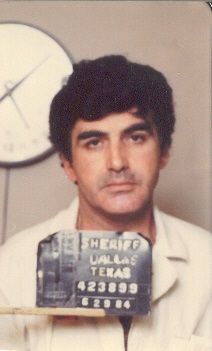
Ralph Reeves and the 2003 Stateline Bar Massacre
Overview
On October 24, 2003, Ralph Reeves carried out a deadly shooting inside the Stateline Bar at 313 North State Avenue in Oldtown, Idaho. Reeves, who was approximately 53 years old, entered the small tavern during the afternoon and fatally shot four people. The victims were Chester W. Cavaliere, Henry “Hank” Franklin Shumake, LeRoy G. Wiese, and Reeves’s former girlfriend, Tiki Danielle Wiese.
The killings began at approximately 3:30 p.m. and were believed to have developed from a personal dispute between Reeves and Tiki Wiese. After opening fire inside the bar, Reeves fled the scene and crossed into neighboring Washington. Law-enforcement agencies in both states launched a search for him. Later that night, as deputies approached his vehicle in Pend Oreille County, Washington, Reeves died from a self-inflicted gunshot wound.
Ralph Reeves
Ralph Reeves was described as a military veteran who had one child. At the time of the massacre, reports indicated that he had been living out of his vehicle and had recently spoken about suicide to people who knew him. His unstable circumstances and his troubled relationship with Tiki Wiese became important parts of the investigation into what led to the shooting.
Authorities believed Reeves entered the Stateline Bar with a semiautomatic handgun and with the intention of confronting Tiki. The available evidence indicated that the attack was not a robbery, an attempted theft, or a random act committed against strangers. Investigators instead described the shooting as an act of personal retaliation connected to Reeves’s former relationship.
The Stateline Bar
The Stateline Bar, sometimes referred to as the Stateline Tavern, was located in Oldtown, a small Bonner County community positioned directly along the Idaho-Washington border. Oldtown had a population of only about 200 people at the time and stood immediately beside Newport, Washington. Spokane was approximately 50 miles to the south.
The tavern was a familiar local gathering place where residents met for drinks and conversation. Its location near the state line became significant after the massacre because Reeves was able to leave Idaho and enter Washington within a short period of time. The shooting brought a major multi-agency police response to a community that rarely experienced violence on such a scale.
The Shooting
Reeves entered the Stateline Bar during the afternoon of Friday, October 24, 2003. At approximately 3:30 p.m., he produced a firearm and began shooting. Witnesses described the gunfire as sudden and rapid, leaving those inside the tavern little opportunity to react or escape.
Tiki Danielle Wiese, Reeves’s 41-year-old former girlfriend, was one of the people inside. Investigators believed she was the primary target of his anger. Also present were Tiki’s 84-year-old former father-in-law, LeRoy G. Wiese, as well as 62-year-old Chester W. Cavaliere and 63-year-old Henry “Hank” Franklin Shumake.
Reeves shot all four victims inside the bar. Reports concerning the crime scene indicated that he may have reloaded his weapon during the attack. One witness later recalled that Reeves pointed the semiautomatic pistol and attempted to fire after the weapon’s magazine had become empty.
The shooting appears to have lasted only a short time. By the time emergency responders and law-enforcement officers arrived, four people had suffered fatal gunshot wounds. None of the victims survived.
Confirmed Victims
- Chester W. Cavaliere, 62 — Cavaliere was fatally shot inside the Stateline Bar at 313 North State Avenue in Oldtown, Idaho, on October 24, 2003.
- Henry “Hank” Franklin Shumake, 63 — Shumake was fatally shot inside the Stateline Bar in Oldtown, Idaho, on October 24, 2003.
- LeRoy G. Wiese, 84 — Wiese, identified as Tiki Wiese’s former father-in-law, was fatally shot inside the Stateline Bar in Oldtown, Idaho, on October 24, 2003.
- Tiki Danielle Wiese, 41 — Wiese was Ralph Reeves’s former girlfriend and the apparent primary target of the attack. She was fatally shot inside the Stateline Bar in Oldtown, Idaho, on October 24, 2003.
Tiki Danielle Wiese
Tiki Danielle Wiese was central to the circumstances surrounding the massacre. Authorities identified her as Reeves’s former girlfriend and said the attack appeared to have resulted from a dispute between them. Reeves was believed to have gone to the tavern knowing that she was there.
Although the complete history of their relationship was not publicly documented, the evidence led investigators to conclude that Reeves’s anger toward Tiki triggered the violence. The other victims were apparently killed because they were present when Reeves began shooting, although it was never fully established whether he had intended to kill any of them before entering the bar.
LeRoy G. Wiese
LeRoy G. Wiese was 84 years old and was identified as Tiki Wiese’s former father-in-law. He was among the oldest people killed in the attack. His presence at the tavern placed another member of Tiki’s extended family directly in the path of Reeves’s violence.
There is no indication that LeRoy had any independent dispute with Reeves or that he had been specifically targeted before the shooting began. He was killed inside the bar along with Tiki, Cavaliere, and Shumake.
Chester W. Cavaliere
Chester W. Cavaliere was 62 years old when he was killed. Cavaliere was inside the Stateline Bar during the afternoon shooting and became one of the four victims. Available reports did not identify him as having any personal conflict with Reeves.
Cavaliere appears to have been an innocent patron caught in an attack arising from Reeves’s personal grievance against Tiki Wiese. He died at the tavern before he could receive lifesaving medical assistance.
Henry “Hank” Franklin Shumake
Henry “Hank” Franklin Shumake was 63 years old. Like Cavaliere, he was present inside the Stateline Bar when Reeves opened fire. He was fatally wounded during the same brief attack.
No established evidence indicated that Shumake had been involved in Reeves’s dispute with Tiki or that Reeves had entered the bar specifically intending to kill him. His death demonstrated how Reeves’s targeted anger expanded into a mass murder that claimed the lives of several people.
Reeves Flees the Scene
After shooting the four victims, Reeves left the Stateline Bar and fled in his vehicle. Because Oldtown was located directly beside the Washington state line, he was able to cross into Pend Oreille County shortly after leaving the tavern.
Police quickly identified Reeves as the suspected gunman. Information about him and his vehicle was circulated among law-enforcement agencies in Idaho and Washington. Officers considered him armed and extremely dangerous because he had just killed four people and could potentially attack others.
The Bonner County Sheriff’s Office worked with Washington authorities to locate him. Officers searched highways, rural roads, parking areas, and other locations where Reeves might have stopped. His ability to move between two states complicated the search and required communication among several agencies.
Discovery of Reeves’s Vehicle
Later that night, authorities located Reeves and his vehicle in Pend Oreille County, Washington. Deputies placed the vehicle under observation while preparing to approach. Because investigators believed Reeves still possessed the handgun used in the massacre, officers treated the situation as an armed confrontation.
As deputies moved toward the vehicle, Reeves shot himself. He died from the self-inflicted gunshot wound at the scene. His death occurred only hours after the four murders and ended the immediate threat to the public.
Investigation and Motive
Investigators concluded that Reeves was responsible for all four deaths at the Stateline Bar. Physical evidence from the tavern, witness accounts, the identification of Reeves, and his actions after the shooting established the basic sequence of events.
The apparent motive was Reeves’s dispute with his former girlfriend. Authorities did not identify robbery, financial gain, political ideology, or terrorism as factors. Tiki Wiese appeared to have been the intended target, while the other three victims were killed as the confrontation widened into indiscriminate violence.
Reports that Reeves had been living in his vehicle and expressing suicidal thoughts suggested that he had been experiencing serious personal instability before the massacre. However, because Reeves killed himself before he could be arrested, investigators were unable to question him about his planning, his precise intentions, or why he chose to kill the other people in the bar.
No Criminal Trial
Reeves’s suicide meant that there was no arrest, prosecution, or criminal trial. Prosecutors never had the opportunity to present the complete evidence in court, and witnesses were not required to testify before a jury.
As a result, some details of the massacre remained unresolved. It was never fully established how long Reeves had planned the attack, whether he intended from the beginning to kill all four victims, or whether some of the killings occurred after patrons attempted to intervene.
Community Impact
The massacre devastated Oldtown and neighboring Newport. Four people were killed in a single afternoon inside a small community tavern. For a town with only a few hundred residents, the loss affected a significant portion of the community and left many people personally connected to the victims.
The crime also demonstrated the destructive potential of domestic and relationship-related violence. Reeves’s grievance against one person escalated into an attack that killed four people and ended with his own suicide.
Families of Chester Cavaliere, Henry Shumake, LeRoy Wiese, and Tiki Wiese were left without the answers that might have emerged from a trial or interrogation. Reeves’s death prevented him from being held accountable in court and ensured that his full explanation for the massacre would never be known.
Conclusion
On October 24, 2003, Ralph Reeves entered the Stateline Bar in Oldtown, Idaho, and murdered Chester W. Cavaliere, Henry “Hank” Franklin Shumake, LeRoy G. Wiese, and Tiki Danielle Wiese. The shooting began at approximately 3:30 p.m. and was believed to have been motivated by Reeves’s dispute with Tiki, his former girlfriend.
Reeves fled across the Idaho-Washington border after the murders. Later that night, law-enforcement officers located him in Pend Oreille County, Washington. As deputies approached his vehicle, Reeves took his own life.
The Stateline Bar massacre remains one of the most serious acts of violence in Oldtown’s history. Four innocent people lost their lives because Reeves transformed a personal conflict into a mass killing. His suicide ended the search but left the victims’ families and the surrounding community without a trial, a direct confession, or a complete explanation for the violence.