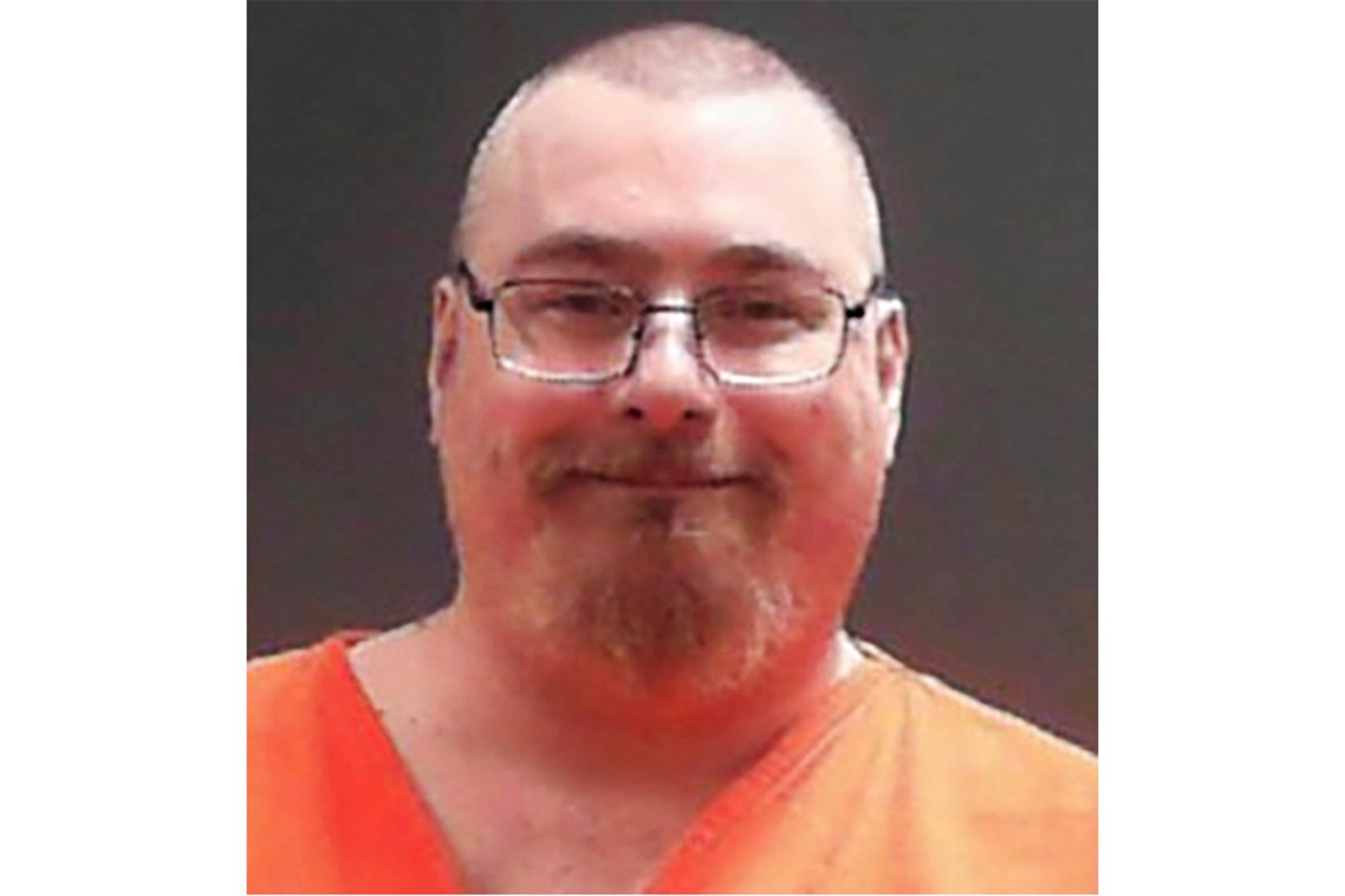
Kipland Kinkel and the 1998 Thurston High School Massacre
Background
Kipland Phillip “Kip” Kinkel was a 15-year-old freshman at Thurston High School in Springfield, Oregon, when he murdered four people during a two-day period in May 1998. His victims included his parents, William and Faith Kinkel, and two Thurston High School students, Ben Walker and Mikael Nickolauson. Twenty-five additional students were wounded during the attack at the school.
Kinkel was born on August 30, 1982, and grew up in what was generally considered a stable and supportive household. His father, William Kinkel, was a retired educator who had taught Spanish at Thurston High School and Lane Community College. His mother, Faith Kinkel, was a Spanish teacher at Springfield High School. The couple had an older daughter, Kristin, who was attending college away from Oregon when the murders occurred.
During the years before the killings, Kinkel developed an intense fascination with firearms, explosives, death and violence. He accumulated weapons and frequently made disturbing comments to classmates. He had previously been arrested in connection with throwing rocks from an overpass and had received psychological treatment after displaying anger, depression and troubling behavior. A psychologist diagnosed him with major depression and prescribed medication, but the full extent of his psychiatric problems was not recognized before the massacre.
The Stolen Handgun and School Suspension
On May 20, 1998, school officials learned that Kinkel had a loaded, stolen handgun in his locker at Thurston High School. The weapon was a .32-caliber Beretta Model 90 pistol that another student had stolen from the father of a friend. Kinkel had reportedly purchased the gun for approximately $110 and brought it onto school property inside a paper bag.
When school officials and police questioned him, Kinkel admitted that the handgun was in his locker. He was arrested and suspended from school while administrators prepared for an expulsion hearing. After being processed by police, Kinkel was released to his father. William Kinkel drove his son home and reportedly told him that his continuing behavioral problems could result in his being sent to a military school.
The Murder of William Kinkel
During the afternoon of May 20, 1998, Kinkel obtained a Ruger .22-caliber semiautomatic rifle from his bedroom and ammunition from another area of the family residence. At approximately 3:00 p.m., he approached his father in the kitchen of their home in Springfield.
Kinkel shot William Kinkel in the back of the head. William was killed before he had an opportunity to defend himself or summon assistance. Kinkel then moved his father’s body into a bathroom and covered it with a sheet. He remained inside the residence and waited for his mother to return from work.
The Murder of Faith Kinkel
Faith Kinkel arrived home at approximately 6:30 p.m. Kinkel met her in the garage and told her that he loved her. He then repeatedly shot her with the rifle. Faith was struck several times and died inside the family home.
Kinkel moved his mother’s body and covered it with a sheet. He spent the night in the house with the bodies of both parents. During the night and following morning, he gathered firearms, knives, ammunition and other equipment in preparation for an attack at Thurston High School.
Preparation for the School Attack
On the morning of May 21, 1998, Kinkel loaded weapons and more than 1,000 rounds of ammunition into his mother’s Ford Explorer. He wore a long trench coat that concealed a sawed-off Ruger 10/22 semiautomatic rifle, a 9-millimeter Glock 19 pistol, a Ruger Mark II .22-caliber pistol and two knives.
Kinkel drove to the area near Thurston High School and parked approximately two blocks from the campus. He then walked toward the school carrying the concealed weapons. Approximately 300 students were gathered in or near the cafeteria before the school day began.
The Thurston High School Shooting
At approximately 7:55 a.m. on May 21, Kinkel entered an exterior patio or breezeway area of Thurston High School and began firing his rifle. One of his first victims was 16-year-old Ben Walker, who was struck and critically wounded. Another student nearby was also wounded.
Kinkel proceeded into the crowded school cafeteria and fired rapidly at students. He crossed the room while discharging nearly the entire ammunition magazine of his rifle. Students attempted to hide beneath tables, flee through doors or take cover behind cafeteria fixtures as bullets struck people throughout the room.
Seventeen-year-old Mikael Nickolauson was fatally wounded during the cafeteria attack. Twenty-four other students were wounded inside or near the cafeteria, bringing the total number of injured students to 25. Some suffered multiple gunshot wounds, while others sustained serious internal injuries.
Kinkel fired approximately 50 rounds from the rifle during the attack. Dozens of bullets struck students or objects inside the school. Mikael Nickolauson died at the scene. Ben Walker was transported to a hospital and placed on life support long enough for his parents to reach him before he died.
Students Subdue Kinkel
The massacre ended when Kinkel exhausted the ammunition in his rifle and attempted to reload. Jacob Ryker, a 17-year-old student who had already been shot and suffered a serious chest wound, charged Kinkel and tackled him. Several other students immediately joined Ryker in restraining the gunman.
During the struggle, Kinkel drew his Glock pistol and fired another shot. The gunfire wounded Ryker again and injured another student. Despite their injuries and the continuing danger, the students forced the weapons away from Kinkel and pinned him to the cafeteria floor.
Kinkel reportedly demanded that the students kill him while they restrained him. They continued holding him until police officers arrived and took him into custody. The actions of Ryker and the other students prevented Kinkel from reloading his rifle or using his remaining weapons against additional victims.
Attack at the Police Station
After his arrest, Kinkel was taken to a police station for questioning. Officers had removed several weapons from him, but a knife concealed near his leg was initially overlooked. Kinkel drew the knife and lunged at an officer while demanding to be shot and killed.
The officer avoided the attack and used pepper spray to subdue him. Investigators later concluded that Kinkel had expected or hoped that police would kill him. He subsequently stated that he had wanted to die after murdering his parents but had been unable to kill himself.
Victims
- William Kinkel – Kinkel’s father. He was murdered during the afternoon of May 20, 1998, inside the Kinkel family home in Springfield, Oregon.
- Faith Kinkel – Kinkel’s mother and a teacher at Springfield High School. She was murdered after returning home from work during the evening of May 20, 1998, at the family residence in Springfield, Oregon.
- Ben Walker, 16 – A Thurston High School student who was fatally wounded near the school’s patio or breezeway on May 21, 1998. He died after being transported to a hospital.
- Mikael Nickolauson, 17 – A Thurston High School student who was shot inside the cafeteria on May 21, 1998. He died at the scene.
Injured Survivors
Twenty-five students were wounded during the Thurston High School attack. Injuries ranged from relatively minor wounds to life-threatening damage involving the chest, lungs and other internal organs. Several victims required emergency surgery and extended hospitalization.
Jacob Ryker survived despite being shot in the chest and wounded again during the struggle with Kinkel. He suffered a perforated lung but recovered. Ryker was later recognized for his bravery because he confronted Kinkel while seriously injured and helped stop the massacre.
Confession and Criminal Charges
Kinkel confessed to killing his parents and carrying out the attack at Thurston High School. Prosecutors charged him as an adult with aggravated murder, attempted murder and related offenses. The case raised complex questions because Kinkel was only 15 years old and evidence later demonstrated that he had severe psychiatric problems.
Psychiatric examinations conducted after the crimes found that Kinkel had experienced delusions and auditory hallucinations. He reported hearing voices that insulted him, repeated his thoughts and commanded him to commit violent acts. Mental-health experts later testified that he showed symptoms consistent with paranoid schizophrenia at the time of the murders.
However, Kinkel had concealed many of these symptoms from his family, teachers and the psychologist who treated him before the massacre. His earlier treatment had focused primarily on depression and anger rather than psychosis. The seriousness of his mental illness became more apparent after he was arrested and evaluated in custody.
Guilty Plea and Sentence
On September 24, 1999, shortly before his trial was scheduled to begin, Kinkel pleaded guilty to four counts of murder and 26 counts of attempted murder. By entering the pleas, he abandoned a possible insanity defense and accepted criminal responsibility for the deaths of his parents and the two students.
On November 11, 1999, Kinkel was sentenced to approximately 111 years in prison without the possibility of parole. The sentence consisted of consecutive prison terms for the four murders and the attempted murders of the wounded students. During the sentencing proceedings, Kinkel apologized for killing his parents and attacking the school.
His attorneys later attempted to obtain a new trial, arguing that his original defense lawyers had not adequately pursued an insanity defense. Psychiatric experts testified that Kinkel had been suffering from paranoid schizophrenia. A judge rejected the request, and his convictions and sentence remained in place.
Aftermath and Legacy
The Thurston High School massacre occurred one year before the mass shooting at Columbine High School and became one of the most notorious American school attacks of the 1990s. The murders devastated Springfield and left lasting physical and psychological injuries among students, relatives, school employees and emergency personnel.
Hundreds of counselors and volunteers traveled to the community to assist survivors and grieving families. A healing fund was established, and a permanent memorial was eventually constructed at Thurston High School to honor Ben Walker and Mikael Nickolauson.
The attack also intensified national discussions about school security, juvenile violence, access to firearms and the identification of severe mental illness in adolescents. The case remains especially disturbing because Kinkel’s crimes began with the calculated murders of his parents, continued with a heavily armed assault on his classmates and ended only after wounded students physically overpowered him.
Kipland Kinkel remains imprisoned under a sentence that effectively guarantees he will spend the remainder of his life in custody. His crimes on May 20 and May 21, 1998, resulted in four deaths, 25 wounded students and permanent trauma throughout the Springfield community.