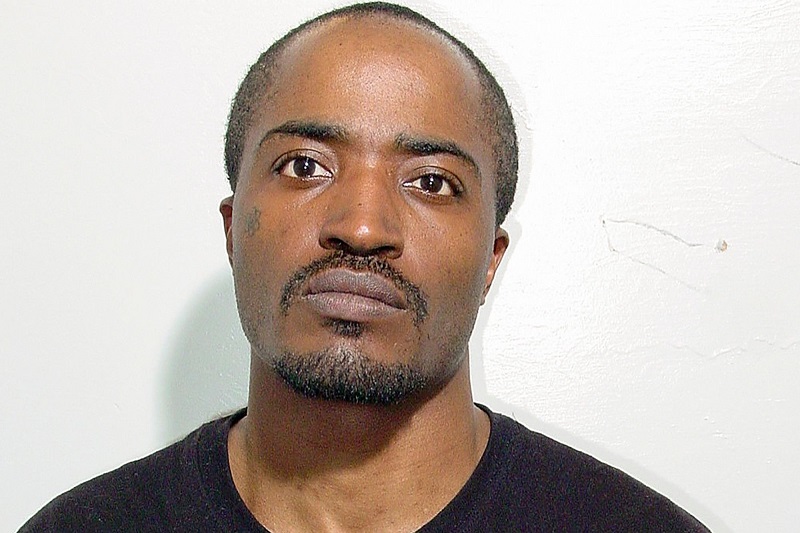
Justin Mann and the 2017 Troy Quadruple Murder
Overview of the Crime
Justin C. Mann was one of two men responsible for the December 2017 murders of four people inside a basement apartment in Troy, New York. The victims were 36-year-old Shanta Myers, her two children, 11-year-old Jeremiah Myers and 5-year-old Shanise Myers, and Shanta’s 22-year-old partner, Brandi Mells. The killings occurred at 158 Second Avenue in Troy and became one of the most disturbing multiple-homicide cases in the city’s history.
Mann committed the murders with James W. White, a man he knew from Schenectady. Investigators determined that the two men entered the apartment during the evening of December 21, 2017. Mann was acquainted with Brandi Mells, which gave the attackers a connection to the household and helped them gain access without immediately raising suspicion. What began inside the residence developed into a prolonged and calculated attack in which all four occupants were restrained and killed.
The Attack Inside the Apartment
According to evidence developed during the investigation and subsequent court proceedings, Mann and White restrained the victims using items found inside the home. Their hands and ankles were bound, and cloth was placed around or over portions of their heads and faces. The victims were unable to defend themselves or escape as the two men carried out the killings.
The adults and children suffered fatal injuries involving strangulation and sharp-force trauma. The victims were killed individually inside the apartment, and the brutality directed at the two children became a central focus of public outrage. Jeremiah and Shanise were not accidental casualties of an attack aimed only at the adults. They were deliberately restrained and killed along with their mother and Mells.
Prosecutors maintained that the children were murdered because they could identify the attackers. By killing every person present, Mann and White attempted to eliminate witnesses and prevent anyone from reporting what had happened. The attackers then left the four bodies inside the basement residence and departed without notifying authorities.
Discovery of the Victims
The victims were not discovered until December 26, 2017, five days after investigators determined the killings had occurred. A property manager entered the basement apartment at 158 Second Avenue and found the bodies. Troy police officers responded to the residence and immediately treated the deaths as homicides.
The crime scene was so severe that Troy Police Chief John Tedesco publicly described the murders as an act of savagery. Police emphasized that the killings did not appear random and that the victims had been specifically targeted. The discovery during the Christmas holiday intensified the shock throughout Troy and the surrounding Capital Region.
Victims
- Shanta Myers — Age 36. Killed on December 21, 2017, inside her basement apartment at 158 Second Avenue in Troy, New York. She was the mother of Jeremiah and Shanise Myers and the partner of Brandi Mells.
- Brandi Mells — Age 22. Killed on December 21, 2017, at the Second Avenue apartment in Troy. Mells was in a relationship with Shanta Myers and was acquainted with Justin Mann before the murders.
- Jeremiah Myers — Age 11. Killed on December 21, 2017, inside his family’s Troy apartment. He was restrained and deliberately murdered along with his mother, sister and Brandi Mells.
- Shanise Myers — Age 5. Killed on December 21, 2017, inside the apartment at 158 Second Avenue. She was the youngest victim of the quadruple homicide.
The Investigation
Troy police began an intensive investigation involving local detectives, state authorities and forensic specialists. Investigators examined the apartment, interviewed people connected to the victims and reconstructed the victims’ final days. Because Mann had a prior relationship with Mells, detectives focused on individuals who knew the household rather than treating the murders as an attack by an unknown intruder.
Investigators used witness information, telephone records, surveillance evidence and forensic findings to trace the movements of Mann and White. Within days of the discovery, authorities identified both men as suspects. Mann and White were arrested in Schenectady on December 29, 2017, three days after the bodies were found.
Both suspects were initially charged with multiple counts of first-degree and second-degree murder. The charges reflected the killing of more than one person during the same criminal transaction and the intentional murders of children younger than 14. The prosecution also alleged that the victims had been restrained before they were killed.
Mann’s Confession and Cooperation
After his arrest, Mann provided investigators with information about the killings and eventually agreed to cooperate with prosecutors. His account helped authorities reconstruct what occurred inside the apartment and established the roles played by both defendants. Mann admitted that he had participated in restraining and killing the victims.
Mann’s cooperation became especially important in the case against James White. As part of a negotiated agreement, Mann pleaded guilty to four counts of second-degree murder. In exchange for the plea and his agreement to testify truthfully against White, prosecutors did not pursue the most severe possible punishment against him.
The plea did not excuse Mann’s conduct or reduce the number of murders for which he accepted responsibility. He admitted in court that he participated in the deaths of all four victims. His statements placed him inside the apartment and directly connected him to the planning and execution of the crimes.
Case Against James White
White did not accept the same type of plea agreement and proceeded toward trial. Mann became a central prosecution witness, describing how the two men entered the residence, restrained the victims and participated in the killings. Prosecutors used Mann’s testimony together with physical, forensic and circumstantial evidence to argue that White had played a leading role in the murders.
White was convicted in 2019 of four counts of first-degree murder and additional criminal charges. The verdict established that the killings were intentional, planned and committed as part of the same criminal episode. White was later sentenced to life in prison without the possibility of parole.
Justin Mann’s Sentence
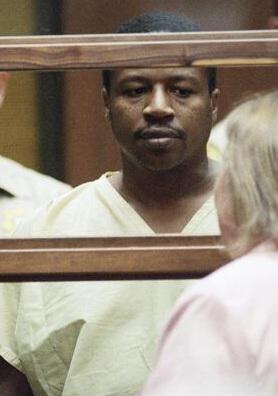
In September 2019, Justin Mann was sentenced in Rensselaer County Court to 25 years to life in state prison. The sentence covered his guilty pleas to the four murders and reflected the cooperation agreement reached with prosecutors. Although the sentence allows Mann to become eligible for parole after serving the minimum term, it does not guarantee that he will ever be released.
During the sentencing proceedings, relatives and supporters of the victims described the permanent devastation caused by the murders. The loss of an entire household, including two young children, left surviving family members struggling with grief, anger and unanswered questions about why the victims had been subjected to such violence.
Impact on Troy
The murders deeply affected Troy, particularly residents of the Lansingburgh neighborhood where the apartment was located. Vigils and memorial events were held for Shanta, Brandi, Jeremiah and Shanise. Community members collected donations, offered assistance to surviving relatives and publicly mourned the children whose lives had been taken only days before Christmas.
The case was especially disturbing because of the calculated manner in which the victims were restrained and killed. It was not a sudden confrontation involving a single fatal act. Four people were controlled inside their own home, and the attackers had repeated opportunities to stop. Instead, Mann and White continued until every person in the apartment was dead.
Legacy of the Case
The 2017 Troy quadruple murder remains remembered as an exceptionally brutal act of mass murder. Justin Mann’s decision to cooperate helped secure the conviction of James White, but it also confirmed Mann’s own direct responsibility for the deaths. His guilty pleas established that he knowingly participated in a coordinated attack that ended the lives of two women and two children.
Shanta Myers, Brandi Mells, Jeremiah Myers and Shanise Myers are remembered by their relatives and community as members of a family rather than merely as victims of a notorious crime. Their murders brought four lives to a violent end, devastated those who loved them and left a lasting mark on the city of Troy.