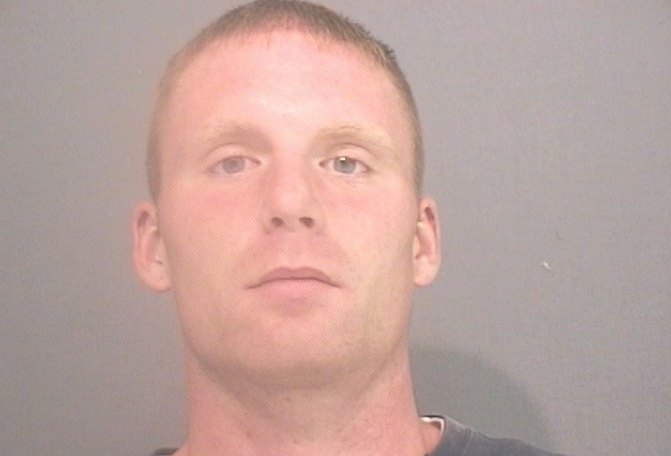
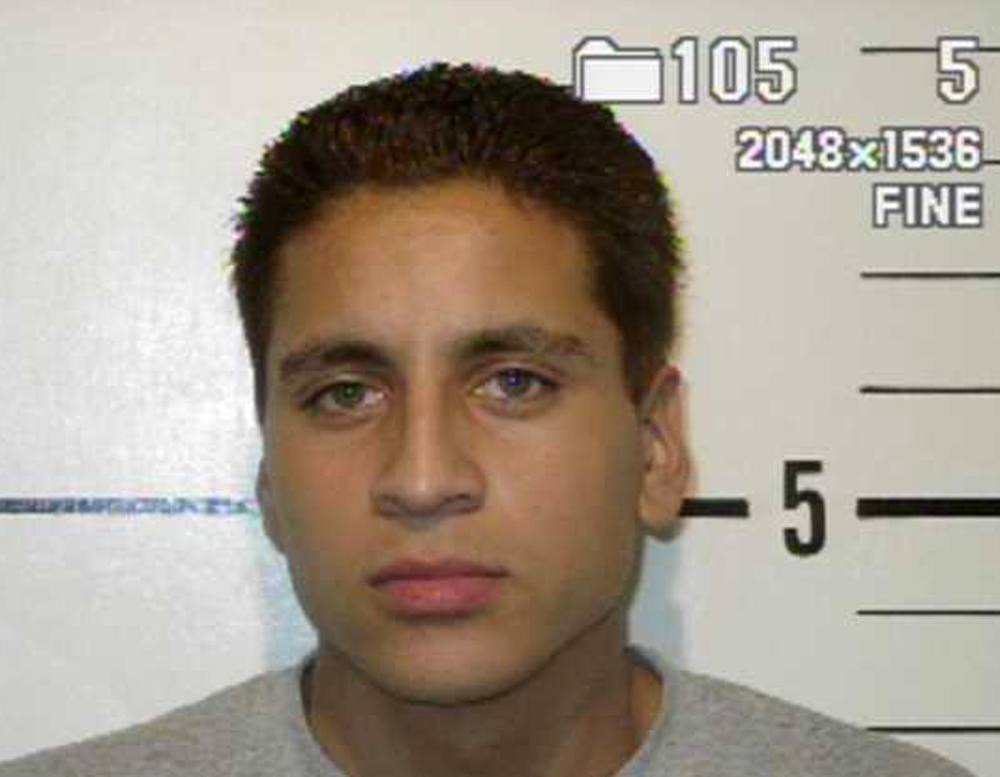
Carl Robert Brown and the 1982 Miami Welding Shop Massacre
Background
Carl Robert Brown was a 51-year-old schoolteacher whose long history of emotional instability culminated in one of the deadliest workplace shootings in Florida history. Born on November 26, 1930, Brown lived in Hialeah, Florida, and had worked as a teacher in the Miami-area public school system. By August 1982, however, he had been suspended from teaching and had reportedly undergone psychiatric evaluation and treatment. People who knew him described a man whose behavior had become increasingly erratic, hostile and paranoid.
Brown had developed unusual religious and philosophical beliefs and sometimes referred to himself as “Logos,” a term he interpreted as a divine force operating through him. After the massacre, investigators reportedly discovered a recording at his home in which he spoke as though he possessed supernatural authority. These statements, together with his previous psychiatric difficulties, suggested that his actions were influenced by serious mental disturbance. Nevertheless, the immediate confrontation that preceded the killings involved an ordinary commercial disagreement over a lawnmower engine.
The Dispute at Bob Moore’s Welding Shop
On August 19, 1982, Brown went to Bob Moore’s Welding & Machine Service in Miami, Florida. He had brought a lawnmower engine to the business because he intended to use it to power a bicycle. Brown became angry over the quality of the repair work and a bill of approximately $20. His anger intensified when employees refused to accept a traveler’s check as payment.
During the confrontation, Brown argued with shop personnel and reportedly threatened to return and kill everyone. The threat was not taken as an indication that a massacre was imminent. Brown left the business, but the dispute continued to consume him. Rather than seeking another repair shop or resolving the disagreement through ordinary means, he began preparing for a violent attack.
Purchasing the Weapons
On the morning of August 20, 1982, Brown visited a firearms dealer near his Hialeah home. He purchased several weapons, including two shotguns and a semiautomatic rifle, along with ammunition. The weapon used during the massacre was identified as an Ithaca Model 37 12-gauge pump-action shotgun equipped with a shortened configuration suitable for close-range firing.
Brown’s purchases were made only hours before the killings. Despite his reported psychiatric history and suspension from teaching, he was able to complete the purchase. Before leaving for the welding shop, Brown allegedly invited his 10-year-old son to accompany him to “kill some people.” The child refused. Statements later attributed to Brown indicated that he may have intended to continue to Hialeah Junior High School after attacking the welding business.
The August 20, 1982 Massacre
Shortly before 11:00 a.m. on August 20, Brown arrived at Bob Moore’s Welding & Machine Service on a bicycle. The business was located in an industrial area of Miami near Miami International Airport. Wearing a Panama-style hat and carrying the newly purchased shotgun, Brown entered through a side doorway and announced his intention to shoot the people inside.
Brown then moved through the office and work areas, firing at employees and relatives of the shop’s owner. Witness accounts indicated that he acted methodically rather than firing randomly from a single location. Several victims were shot at close range. Some were attacked in the office, while others were shot in the machine shop, work area or driveway as they attempted to escape.
Eleven people were struck by gunfire. Six died at the scene, and two others suffered fatal injuries. Three wounded employees escaped from the building and reached a passing automobile. The motorist transported them to a nearby service station, where emergency assistance was summoned.
The entire attack unfolded rapidly. By the time Brown exhausted the ammunition loaded in his shotgun, eight people had been fatally wounded and three others had been injured. He did not remain to confront police. Instead, he walked outside, mounted his bicycle and calmly began riding away from the shop.
People Killed
- Nelson Barrios, 46 — A welder who was fatally shot at Bob Moore’s Welding & Machine Service in Miami, Florida, on August 20, 1982.
- Lonie Jeffries, 53 — A crane operator who was killed during the shooting at the Miami welding and machine shop on August 20, 1982.
- Carl Lee, 47 — A manager at the business who was fatally shot inside or near the work areas of the shop on August 20, 1982.
- Ernestine Moore, 67 — The mother of the shop’s owner. She was killed at Bob Moore’s Welding & Machine Service on August 20, 1982.
- Mangum Moore, 78 — The uncle of the shop’s owner. He was fatally shot during Brown’s attack in Miami on August 20, 1982. His first name has occasionally appeared as “Magnum” in secondary accounts.
- Martha Steelman, 29 — A secretary at the business who was killed in the office area during the August 20, 1982 shooting.
- Juan Ramon Trespalacios, 38 — A machinist and Cuban immigrant who had reportedly been a political prisoner before coming to the United States. He was fatally shot at the shop on August 20, 1982.
- Pedro Vasques, 44 — The shop foreman, whose surname has also been reported as Vasquez. He was killed at Bob Moore’s Welding & Machine Service on August 20, 1982.
People Wounded
- Eduardo Lima, 30 — Wounded during the shooting at the Miami welding shop on August 20, 1982.
- Carlos Vazquez Sr., 42 — Shot and injured during Brown’s attack on August 20, 1982.
- Carlos Vazquez Jr., 17 — Wounded alongside other employees at the shop on August 20, 1982.
The Pursuit of Brown
Brown’s calm departure shocked witnesses. Rather than fleeing at high speed, he reportedly pedaled away as though he were taking an ordinary bicycle ride. He still had additional shotgun shells in his possession, and investigators feared that he was heading toward a school to continue the violence.
Mark Kram, an employee of a nearby metal business, learned that a man had just attacked the welding shop. Kram armed himself with a .38-caliber revolver and drove after Brown. During the pursuit, he was joined by Ernest Hammett, another man attempting to locate or stop the fleeing gunman.
Approximately six blocks from the welding shop, near Miami International Airport, Kram and Hammett caught up with Brown. Kram fired what he described as a warning shot, but the bullet struck Brown in the back. Brown then turned on his bicycle and pointed his shotgun toward the pursuing men. Their vehicle struck him and forced him into a concrete light pole.
Brown was critically injured by the gunshot wound and collision. He died later on August 20, 1982, ending the possibility that he would attack another location. Authorities found approximately 20 additional shotgun shells in his clothing. Prosecutors ultimately filed no criminal charges against Kram for shooting Brown.
Investigation and Questions About Motive
The investigation found that the argument over the lawnmower engine and rejected traveler’s check served as the immediate trigger for the massacre. However, detectives concluded that the scale of the attack could not be explained by a minor repair dispute alone. Brown’s psychological condition, personal grievances and increasingly delusional thinking appeared to have transformed the disagreement into a perceived justification for mass violence.
Investigators examined Brown’s home, personal history and recorded statements. The recording in which he identified himself as “Logos” provided evidence of his distorted beliefs. Police also investigated reports that he planned to attack Hialeah Junior High School. Because Brown was killed before he could be questioned, the full extent of his intended plan could never be established.
The fact that Brown purchased the weapons on the morning of the massacre became a major part of the public discussion. His ability to acquire multiple firearms despite his reported mental-health history raised questions concerning firearm sales, background information and the responsibilities of gun dealers. At that time, many records that might have revealed a buyer’s psychiatric history were not readily available to firearms retailers.
Lawsuits and Public Reaction
The massacre devastated the families of the eight people killed and permanently affected the three survivors. Robert Steelman, whose wife Martha was among the victims, later pursued legal action against the business that sold Brown the weapons and against the manufacturer of the shotgun. The litigation reflected a broader effort to determine whether firearm dealers or manufacturers could be held responsible when a legally purchased weapon was quickly used in a mass killing.
The attack also became part of a wider debate about waiting periods for gun purchases. Brown had obtained the firearms only hours before entering the welding shop. Supporters of waiting periods argued that a mandatory delay might have allowed his anger to subside or provided officials with additional time to discover warning signs. Opponents questioned whether such a law would have prevented a determined attacker from obtaining a weapon through another method.
Legacy of the Case
The August 20, 1982 attack was described at the time as the worst mass murder in Miami’s history. It remains a notable early example of a workplace mass shooting motivated by a personal grievance against a business. Brown did not have a longstanding employment relationship with the victims. Instead, he viewed the employees of the welding shop as enemies after a relatively minor customer-service dispute.
The case demonstrated how threats made during an angry confrontation can precede planned violence. Brown directly warned that he would return and kill people, purchased weapons the following morning and carried out the threat within approximately one day. His reported statements to his son and suspected plan to continue to a school further showed that the welding-shop victims may have been the first targets in a larger intended rampage.
Carl Robert Brown died on the same day as his victims and was never prosecuted. As a result, there was no criminal trial to establish a complete public record of his motives or preparation. The lasting focus of the case remains on the eight people killed, the three people wounded and the intervention that prevented Brown from reaching another populated location.