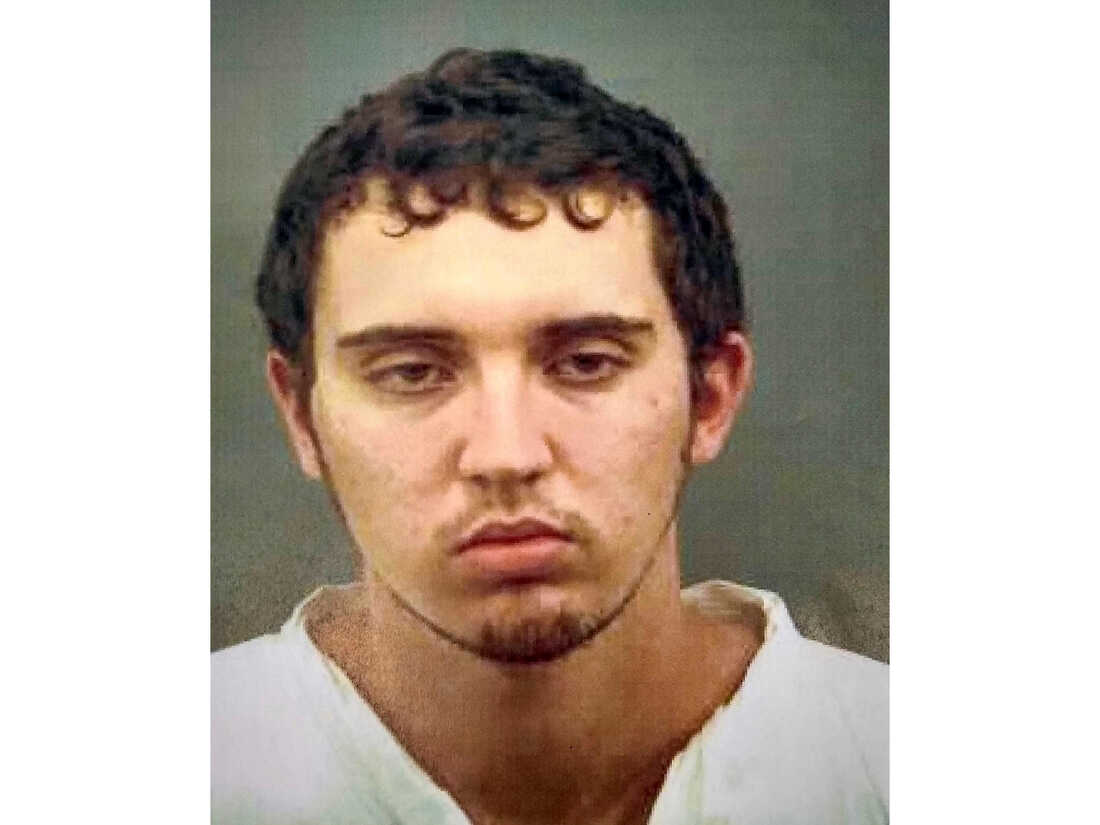
Eduardo Sencion and the 2011 Carson City IHOP Massacre
Background
Eduardo Sencion was a 32-year-old man responsible for a deadly mass shooting at an International House of Pancakes restaurant in Carson City, Nevada, on September 6, 2011. Sencion, who was also known as Eduardo Perez-Gonzalez, killed four people and wounded seven others before fatally shooting himself. Three of those killed were members of the Nevada National Guard who had gathered for breakfast at the restaurant.
Sencion was born in Mexico on July 22, 1979, and later lived in the Lake Tahoe area. He worked at a family-owned business in South Lake Tahoe, California, and had no significant criminal record before the attack. He had reportedly experienced serious psychiatric problems for many years and had been diagnosed with paranoid schizophrenia as a young adult. Investigators later found no measurable level of prescribed antipsychotic medication in his body at the time of the shooting.
Although Sencion’s mental-health history was examined extensively, investigators never established a definitive motive. Authorities found no evidence that he had a personal dispute with anyone inside the restaurant, no known connection to the Nevada National Guard, and no indication that the shooting was part of a terrorist plot. The reason he selected the IHOP and attacked the people inside remains unknown.
Arrival at the Carson City IHOP
Shortly before 9:00 a.m. on Tuesday, September 6, 2011, Sencion drove a blue minivan into the parking lot of a shopping center on South Carson Street in Carson City. The vehicle was registered to one of his brothers. Inside the van were several firearms and a large quantity of ammunition.
At approximately 8:56 a.m., Sencion parked near the IHOP restaurant at 3883 South Carson Street. He emerged carrying a modified Norinco MAK-90 rifle. The weapon was based on the AK-pattern rifle design and had been illegally altered to fire automatically. Witnesses initially heard a rapid burst of gunfire in the parking lot as Sencion fired numerous rounds into the air.
The sudden gunfire caused people in nearby businesses and vehicles to take cover. Sencion reloaded and walked toward the restaurant while continuing to carry the rifle. Only seconds had passed between his arrival and the beginning of the attack inside the crowded breakfast establishment.
The Shooting Inside the Restaurant
At approximately 8:57 a.m., Sencion entered the IHOP and walked toward the dining area. He first opened fire on an older couple seated at a table. Florence Donovan-Gunderson, 67, was killed, and her husband was wounded.
Sencion then directed his gunfire toward a nearby booth occupied by five uniformed members of the Nevada National Guard. The Guard personnel were federal employees assigned to the Nevada National Guard’s Joint Force Headquarters and were having breakfast together. Their uniforms made them especially visible inside the restaurant, although investigators found no evidence that Sencion had known they would be present.
All five Guard members were struck by gunfire. Major Heath Kelly, Sergeant First Class Christian Riege, and Sergeant First Class Miranda McElhiney were fatally wounded. Two additional Guard members survived after being injured. Investigators could not determine with certainty whether Sencion had entered the restaurant specifically intending to attack military personnel or had focused on them after seeing their uniforms.
Sencion continued firing toward other booths and tables, wounding additional customers. The rapid attack caused panic as survivors hid beneath tables, sought shelter behind restaurant fixtures, or attempted to escape. One seriously wounded survivor later required the amputation of a leg.
The shooting inside the restaurant lasted only a matter of seconds. Sencion left the building at approximately 8:58 a.m. and returned to the parking lot.
Gunfire in the Parking Lot
After leaving the IHOP, Sencion reloaded his rifle. He approached a woman sitting on a motorcycle and fired at close range. The bullet struck her helmet, which absorbed much of the impact, and she survived with a grazing injury.
Sencion then fired into several nearby businesses and toward vehicles in the shopping center. Employees and customers sheltered inside stores as bullets struck windows and exterior walls. No additional people were injured during this portion of the attack.
A nearby business owner armed himself and considered confronting Sencion, but the intense and unpredictable gunfire made a clear shot impossible. The owner remained behind cover rather than risk striking innocent people or drawing Sencion’s attention toward other civilians.
Within approximately 85 seconds of firing his first shots, Sencion stopped shooting. He returned toward the blue minivan, discarded or lowered the rifle, and used a revolver to shoot himself in the head. He remained alive when emergency personnel reached the scene but later died from the self-inflicted injury.
Victims Killed
- Florence Donovan-Gunderson, 67 — A civilian customer who was having breakfast with her husband at the IHOP at 3883 South Carson Street in Carson City, Nevada. She was killed on September 6, 2011. Her husband was wounded but survived.
- Major Heath Kelly, 35 — A member of the Nevada National Guard assigned to Joint Force Headquarters. He was shot while seated with fellow Guard members inside the Carson City IHOP on September 6, 2011. Kelly was later posthumously promoted to lieutenant colonel.
- Sergeant First Class Miranda McElhiney, 31 — A Nevada National Guard soldier who was critically wounded inside the restaurant on September 6, 2011. She was transported for emergency medical treatment but died from her injuries at a hospital.
- Sergeant First Class Christian Riege, 38 — A Nevada National Guard soldier killed while eating breakfast with other Guard members at the Carson City IHOP on September 6, 2011. He was later posthumously promoted to master sergeant.
Emergency Response and Investigation
Carson City law-enforcement officers began receiving emergency calls almost immediately after the gunfire started. The first officers arrived at approximately 9:06 a.m., only minutes after Sencion had shot himself. Police entered the restaurant, searched for additional attackers, and assisted wounded victims while paramedics established a large emergency-treatment area.
Seven people survived gunshot wounds. Several were transported by helicopter to Renown Regional Medical Center in Reno, while others were treated at medical facilities in Carson City. Four of the wounded were initially reported to be in critical condition. Two of the surviving injured victims were Nevada National Guard members.
The attack caused authorities to temporarily lock down the Nevada State Capitol, the Nevada Supreme Court building, and other government facilities. Officials initially feared the IHOP shooting could be part of a broader attack involving military or government targets. Those precautions were lifted after investigators determined that Sencion had acted alone and was no longer a threat.
Investigators recovered the modified Norinco rifle, a Colt Agent revolver, another rifle, a Glock pistol, ammunition, and related equipment. The Norinco rifle had been unlawfully converted into a fully automatic weapon. Authorities attempted to determine who had modified it and how Sencion had obtained the equipment, but no evidence suggested that another person had knowingly assisted him in planning the massacre.
Questions About Motive
Sencion left no clear statement explaining the attack. Investigators examined his finances, personal relationships, employment, medical records, internet activity, and possible connections to the victims. They found that he had filed for bankruptcy in January 2009, reporting more than $42,000 in debts involving credit cards, medical bills, and a vehicle. Financial problems alone, however, did not explain why he attacked strangers at the restaurant.
His psychiatric history became a central part of the investigation. Family members described previous periods of paranoia and abnormal behavior. Toxicology testing indicated that he was not taking detectable amounts of antipsychotic medication when the shooting occurred. Authorities believed his untreated illness may have influenced his actions, but they could not reconstruct his exact thoughts or prove that a specific delusion caused the massacre.
Investigators also considered whether the uniformed Guard members had been deliberately targeted. Sencion fired heavily into their booth, killing three of the five soldiers seated there. Nevertheless, authorities found no anti-military writings, political manifesto, personal grievance, or previous contact between Sencion and the Nevada National Guard. The official motive therefore remained undetermined.
Aftermath
The shooting devastated Carson City and the Nevada National Guard community. Memorial services were held for the victims, and flags at Nevada government buildings were lowered to half-staff. Fellow soldiers, relatives, friends, and members of the public gathered to honor Kelly, McElhiney, and Riege for their military service. Florence Donovan-Gunderson was remembered by relatives and community members as an innocent customer whose morning meal became part of an unexpected tragedy.
The IHOP remained closed while investigators documented bullet damage, collected evidence, and reconstructed Sencion’s movements. Survivors later described the lasting physical and emotional effects of the attack. Some underwent repeated surgeries and lengthy rehabilitation, while employees, customers, witnesses, emergency personnel, and victims’ relatives continued to cope with psychological trauma.
The Carson City IHOP massacre lasted less than two minutes, yet it left four innocent people dead, seven others wounded, and an entire community changed. Eduardo Sencion died without explaining his actions, leaving investigators and the victims’ families with unanswered questions about why he selected that location and why he opened fire on people he apparently did not know.