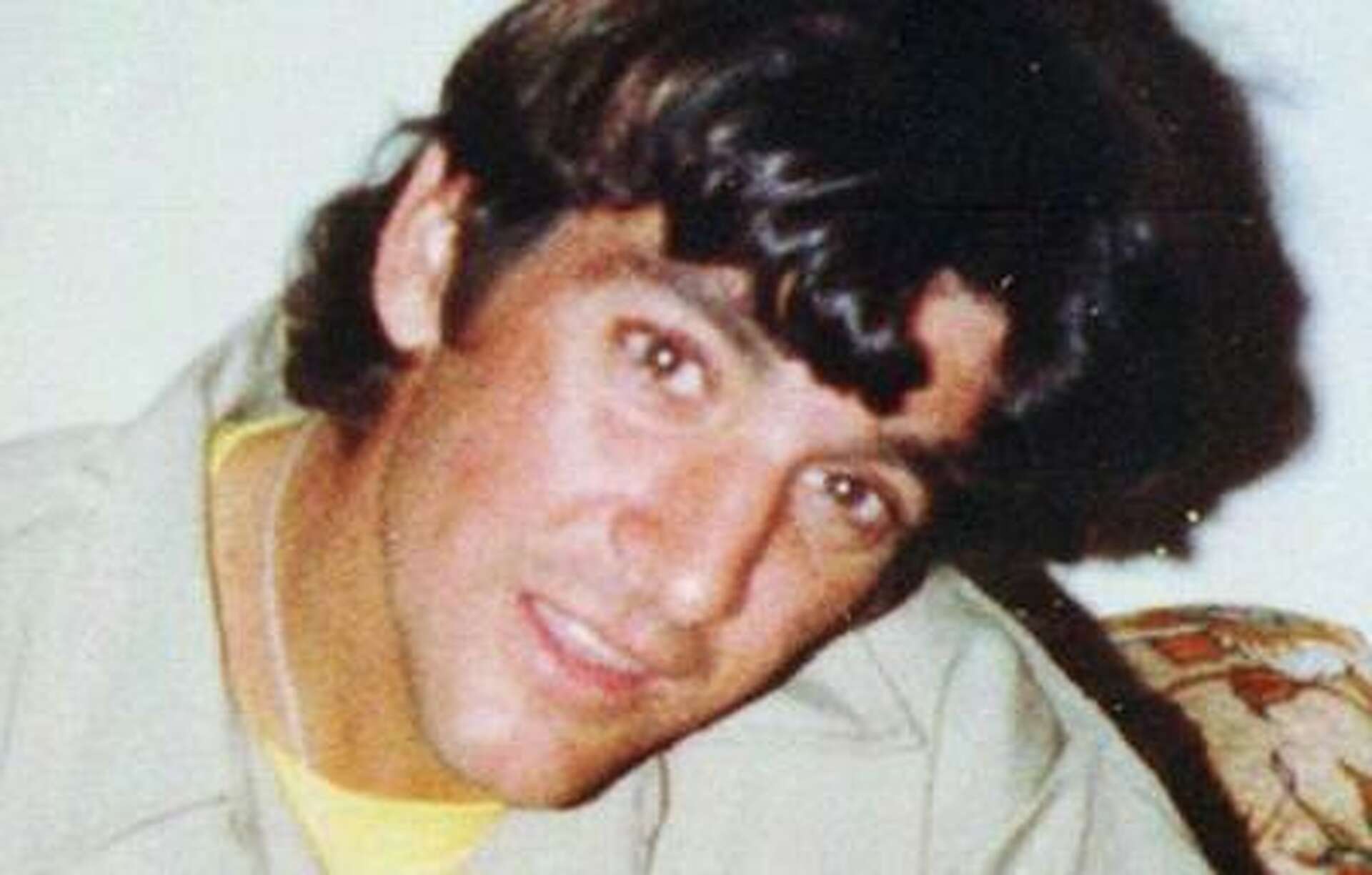
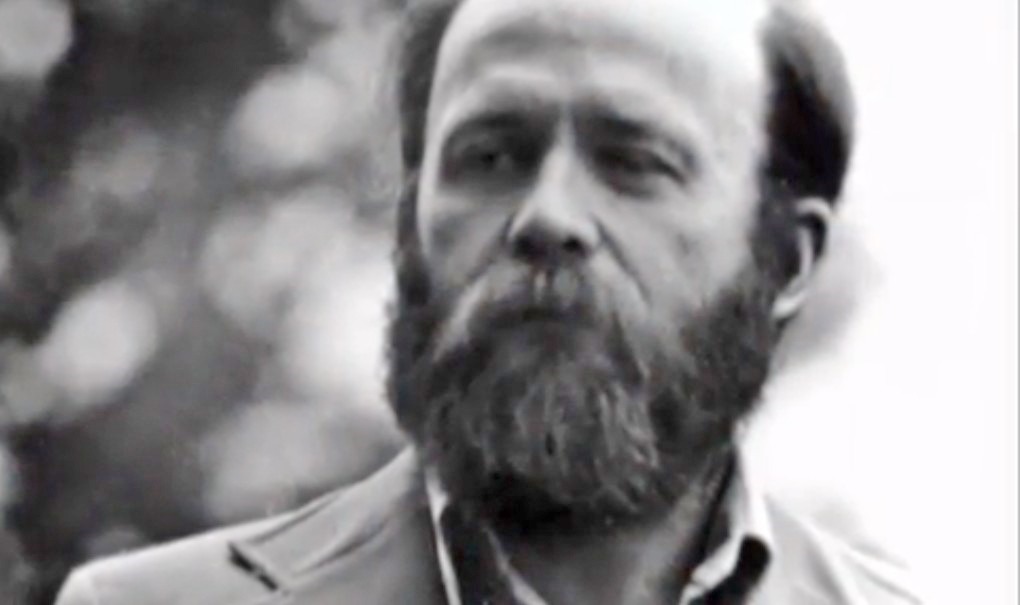
Elijah Brown and the 2004 ConAgra Plant Mass Murder
Overview
On July 2, 2004, 21-year-old Elijah Brown carried out a workplace mass shooting inside the ConAgra Foods meatpacking plant at 4612 Speaker Road in Kansas City, Kansas. Brown, an employee of the plant, used two handguns to shoot seven co-workers, killing five and seriously wounding two others. After attacking the workers, Brown died by suicide inside the facility.
The shooting began shortly after 5:00 p.m. during an evening shift at the large meat-processing plant in Wyandotte County. Investigators determined that Brown had brought the firearms into the workplace and stored them in his employee locker before the attack. Witness accounts indicated that he was angry with certain co-workers and believed that some employees had repeatedly teased, disrespected, or harassed him.
Events Before the Shooting
Brown was described as a quiet employee who generally kept to himself. He had previously served in the military and had reportedly experienced difficulties with other workers at the plant. Some co-workers said Brown believed he was being ridiculed, although the precise nature and extent of the workplace conflict remained disputed.
On the afternoon of July 2, employees attended a workplace meeting before taking a scheduled break. Brown went to his locker and retrieved two handguns that he had concealed there. He then entered an employee break area where a number of his co-workers had gathered.
The Attack
Brown began confronting and shooting selected employees inside the break room and surrounding areas of the plant. Witnesses reported that he appeared to recognize his targets and did not fire indiscriminately at everyone he encountered. He reportedly accused certain workers of mistreating him before opening fire.
During the attack, Brown was reported to have told at least one victim that the shooting was a consequence of “messing” with him. Other workers were allowed to leave after Brown indicated that he had no grievance against them. These statements led investigators to believe that resentment toward particular co-workers was an important motive for the killings.
The sound of gunfire caused panic throughout the facility. Employees fled through exits, hid behind machinery, or sought protection in other parts of the building. Emergency calls brought Kansas City, Kansas, police officers and other first responders to the plant. The enormous industrial facility was evacuated while officers entered to locate the shooter and assist the wounded.
Victims Killed
- Lonnie Ellingburg – 46 years old, of Kansas City, Kansas. Ellingburg was fatally shot inside the ConAgra plant on July 2, 2004.
- Travis Nelson – 23 years old, of Kansas City, Kansas. Nelson was fatally shot during the July 2 attack.
- Leonardo Rodriguez – 49 years old, of Kansas City, Kansas. Rodriguez was killed inside the meatpacking facility on July 2, 2004.
- Ardell L. Edwards – 55 years old, of Grandview, Missouri. Edwards was critically wounded at the plant on July 2 and died at a hospital on July 3, 2004.
- Unidentified male employee – A 45-year-old Mexican national whose name was initially withheld while authorities attempted to notify his relatives. He was fatally shot inside the plant on July 2, 2004.
Surviving Victims
- Juan Ramirez – 44 years old, of Kansas City, Kansas. Ramirez suffered serious gunshot injuries but survived the attack.
- Victor Coggs – Of Grandview, Missouri. Coggs was shot in the arm and survived.
Death of Elijah Brown
After shooting his co-workers, Brown turned one of the firearms on himself. Officers entering the building found him dead from a self-inflicted gunshot wound. His death ended the immediate threat but left investigators with the difficult task of reconstructing the sequence of events and determining why he had selected his victims.
Police recovered two firearms associated with Brown. Investigators interviewed surviving employees and examined the areas where the shootings occurred. Because Brown died at the scene, there was no criminal trial and no opportunity for prosecutors to question him about his motives.
Investigation and Possible Motive
Witness statements suggested that Brown had developed deep resentment toward workers he believed had tormented or humiliated him. His reported decision to spare some employees while confronting others supported the conclusion that at least several victims had been deliberately selected.
Authorities also examined Brown’s personal history, military background, employment record, and relationships with co-workers. No single event was publicly identified as the sole trigger for the shooting. The available evidence instead indicated that Brown had allowed perceived workplace grievances to build until he responded with planned and lethal violence.
The discovery that Brown had stored the two guns in his locker raised concerns about workplace security and the ability of employees to bring firearms into industrial facilities. The attack occurred despite the presence of hundreds of workers and routine plant procedures, demonstrating how quickly a workplace dispute could develop into a mass-casualty emergency.
Emergency Response
Police surrounded the sprawling plant while employees were directed away from the building. Officers conducted searches through the facility because they initially could not be certain whether Brown was acting alone or whether another armed person remained inside.
Paramedics treated the wounded and transported surviving victims to area hospitals. Authorities established a controlled area outside the plant where employees could be identified and questioned. Families gathered while waiting for information about relatives who had been working during the shooting.
Community Impact
The killings shocked Kansas City and the surrounding communities in Kansas and Missouri. The victims came from different backgrounds but had been connected through their employment at the ConAgra facility. Their deaths left families grieving immediately before the Independence Day holiday weekend.
The plant temporarily stopped operations while law-enforcement officers processed the crime scene. Employees who survived were left to cope with the deaths of their colleagues and the trauma of having fled or hidden during the attack. Counseling and assistance were made available as workers and families struggled to understand the violence.
Aftermath and Legacy
The July 2, 2004, ConAgra shooting became one of the deadliest workplace attacks in Kansas history. Five employees were murdered, two others were wounded, and Brown died by suicide, bringing the total number of deaths to six.
The case remains an example of targeted workplace violence involving accumulated resentment, perceived harassment, concealed weapons, and inadequate intervention before the attack. Although Brown’s reported statements provided some indication of his anger, the full reasoning behind his decision to murder his co-workers could never be completely established.
The lasting focus of the tragedy remains on Lonnie Ellingburg, Travis Nelson, Leonardo Rodriguez, Ardell L. Edwards, and the fifth employee whose identity was initially withheld. Their deaths on July 2 and July 3, 2004, transformed an ordinary work shift at the Kansas City meatpacking plant into a devastating mass-murder scene.