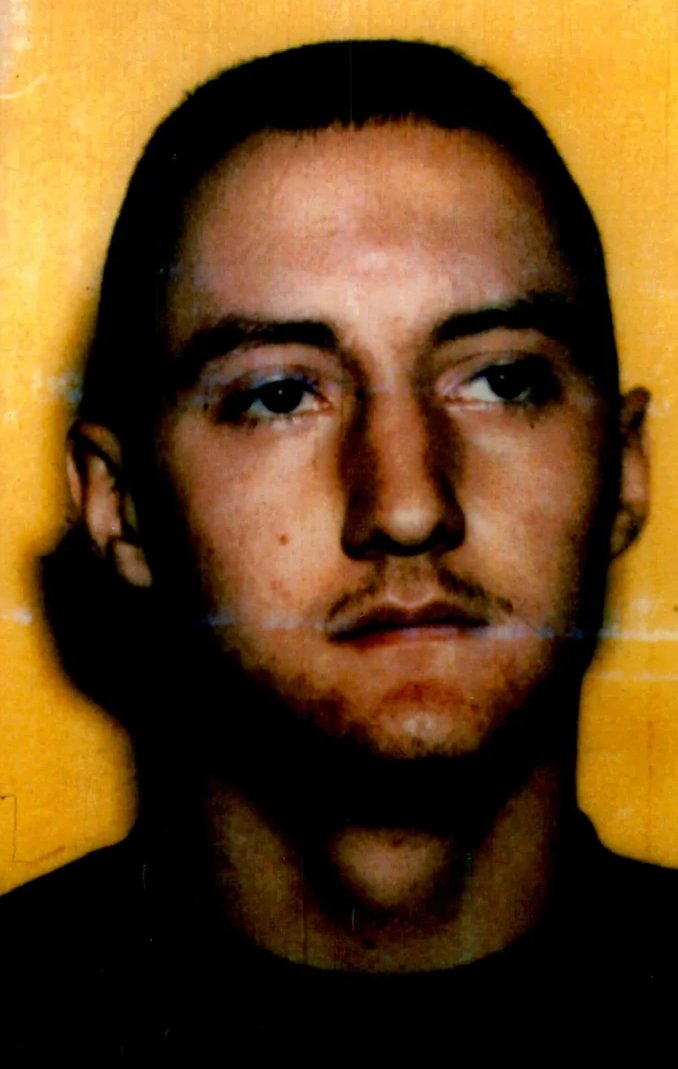
Terry Ratzmann and the 2005 Living Church of God Shooting
Background
Terry Michael Ratzmann was a 44-year-old computer technician and longtime member of the Living Church of God congregation in the Milwaukee, Wisconsin, area. He lived with his mother and sister in New Berlin and was generally described by neighbors and acquaintances as quiet, private and socially withdrawn. He had attended services with the congregation for several years and was familiar with its ministers and members.
During the period leading up to the shooting, Ratzmann was reportedly experiencing several personal difficulties. His temporary computer-related employment was ending, and people who knew him said he had struggled with depression and feelings of isolation. Investigators also examined reports that he had become upset by statements made during church sermons. However, no suicide note or written explanation was found that conclusively established why he decided to attack the congregation.
The Living Church of God Congregation
The Living Church of God did not have a permanent church building in the Brookfield area. Members regularly rented meeting rooms for Sabbath services. On Saturday, March 12, 2005, approximately 50 to 60 congregants gathered in a conference room at the Sheraton Hotel in Brookfield, Wisconsin, west of Milwaukee.
The service began at approximately 12:30 p.m. Ratzmann was not present when the meeting started. He arrived roughly 20 minutes later, entered the hotel and walked toward the room where the congregation was assembled. He was carrying a 9mm Beretta 92FS semiautomatic pistol and additional ammunition magazines.
The March 12, 2005 Shooting
At approximately 12:50 p.m., Ratzmann entered the conference room and immediately began firing at members of the congregation. Witnesses said the attack happened without any warning or verbal confrontation. Many of those present initially struggled to understand what was occurring as the sound of gunfire filled the enclosed meeting room.
Ratzmann fired repeatedly toward the front of the room, where Pastor Randy Gregory and members of Gregory’s family were seated. Investigators later believed the Gregory family may have been deliberately targeted, although Ratzmann also fired at other congregants throughout the room. Some victims were struck while seated, while others attempted to escape, hide beneath furniture or help wounded relatives and friends.
Ratzmann emptied the pistol’s first ammunition magazine, reloaded and continued firing. He discharged approximately 22 rounds during an attack that lasted about one minute. Seven members of the congregation were fatally wounded, and four other people were injured. Among the wounded was Pastor Gregory’s wife, Marjean Gregory, who was critically injured but survived.
As the shooting continued, several congregants moved toward Ratzmann or attempted to distract him. Their actions may have helped prevent additional deaths. Ratzmann eventually stopped firing at the congregation, placed the handgun against himself and died from a self-inflicted gunshot wound before police entered the room.
Victims Killed
- Randy Lynn Gregory, 51 – Pastor of the Living Church of God congregation. He was killed inside the Sheraton Hotel conference room in Brookfield, Wisconsin, on March 12, 2005.
- James Isaac Gregory, 16 – The son of Randy and Marjean Gregory. He was killed during the attack in Brookfield on March 12, 2005.
- Harold Leroy Diekmeier, 74 – A member of the congregation who was fatally shot inside the hotel meeting room on March 12, 2005.
- Gloria Sue Critari, 55 – A congregation member who was killed during the church service at the Sheraton Hotel on March 12, 2005.
- Bart Jameson Oliver, 15 – A teenage member of the congregation who was fatally shot in Brookfield on March 12, 2005.
- Richard Wayne Reeves, 58 – A member of the Living Church of God congregation who died in the shooting on March 12, 2005.
- Gerald Anthony Miller, 44 – A congregation member who was killed inside the hotel conference room on March 12, 2005.
Wounded Congregants
Four people survived gunshot wounds. Marjean Gregory, the pastor’s wife and mother of James Gregory, suffered particularly serious injuries. Emergency personnel transported the wounded to area hospitals after officers secured the hotel. The identities of every surviving victim were not consistently released in public reports, partly out of respect for the victims and their families.
Other people escaped without physical injuries but witnessed relatives, friends and fellow congregation members being shot. Survivors later described confusion, panic and the rapid efforts of congregants to protect one another during the brief attack.
Police Response and Investigation
Brookfield police received emergency calls reporting gunfire at the Sheraton Hotel and quickly sent officers, firefighters and medical personnel to the scene. Officers entered the building expecting the possibility of an active gunman. They found Ratzmann dead inside the meeting room along with the victims and the discarded ammunition magazines.
Investigators determined that Ratzmann had brought three magazines for the Beretta pistol. He fired the contents of the first magazine, inserted a second and continued shooting. Several rounds remained available when he killed himself. Authorities concluded that he had acted alone and found no evidence that another person had helped plan or carry out the attack.
Police searched the New Berlin home Ratzmann shared with his mother and sister. Investigators seized computers, ammunition and other materials that might have explained his actions. They examined his employment history, medical background, relationships, financial circumstances and involvement with the church. No detailed attack plan or definitive written motive was publicly identified.
Questions About Motive
Some congregation members recalled that Ratzmann appeared angry after a sermon delivered approximately two weeks before the shooting. The sermon reportedly included comments about personal responsibility and spiritual conduct. Witnesses disagreed about whether the remarks had been directed toward Ratzmann or whether he merely interpreted them as personal criticism.
Authorities also learned that Ratzmann’s employment contract was ending and that he may have been worried about his finances and future. Friends described periods of depression and emotional distress. Investigators considered the possibility that resentment toward church leadership, employment problems and worsening psychological instability had combined to influence his actions.
Despite extensive interviews and examination of his computers and belongings, police could not establish a single conclusive motive. Officials eventually ended the active investigation without finding evidence that the congregation had advance warning of the attack or that any specific dispute fully explained the killings.
The Gregory Family
Pastor Randy Gregory was one of the most prominent victims because he led the local congregation and appeared to have been among Ratzmann’s primary targets. Gregory’s wife, Marjean, survived serious gunshot wounds, but their 16-year-old son, James, was killed alongside his father.
The attack devastated the Gregory family and the congregation. Members lost their pastor, two teenagers and several longtime friends within moments. The fact that the shooting occurred during a religious service made the event especially traumatic for survivors who had considered the gathering a place of fellowship and safety.
Aftermath
The Brookfield shooting became one of the deadliest attacks at an American place of worship at that time. Eight people died when Ratzmann is included in the total, and four additional victims were wounded. The incident brought national attention to the Living Church of God and raised questions about security at congregations that met in rented hotels, schools and community buildings.
Church officials held memorial services and provided assistance to grieving families and survivors. Members from other Living Church of God congregations traveled to Wisconsin to support those affected. Funeral and memorial services remembered the victims as parents, children, friends and dedicated members of their religious community rather than simply as names associated with a mass shooting.
The attack also prompted broader discussions about warning signs, depression, access to firearms and security in houses of worship. Because Ratzmann died at the scene and left no clear explanation, many questions remained unanswered. The official investigation documented how the shooting occurred, but it could not fully explain why a man who had worshiped with the congregation chose to murder seven of its members.
Legacy
The March 12, 2005 massacre remains a defining tragedy in Brookfield and in the history of the Living Church of God. Survivors carried both physical and emotional injuries, while the victims’ families faced the sudden loss of loved ones during what had begun as an ordinary Saturday religious service.
Although Terry Ratzmann’s name became inseparable from the crime, the lasting human cost was borne by the seven people he killed, the four people he wounded and the congregation members who survived. Memorial accounts have continued to focus on Randy Gregory, James Gregory, Harold Diekmeier, Gloria Critari, Bart Oliver, Richard Reeves and Gerald Miller, whose lives ended in the Brookfield hotel conference room on March 12, 2005.