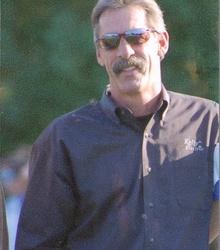
On June 28, 2018, Gerald Fischman, a White 61-year-old man from Annapolis, Maryland, was working inside the Capital Gazette newsroom on Bestgate Road when the ordinary rhythm of deadline day shattered into gunfire. In the span of minutes, a shotgun-wielding attacker forced his way into the building and turned the office into a kill zone, cutting down Fischman and four of his colleagues in one of the deadliest assaults on journalists in modern U.S. history.
Investigators and prosecutors later described the attack as deliberate and methodical. Authorities said the gunman came prepared, using a shotgun and creating chaos that made escape harder, then moved through the newsroom hunting people down. Survivors hid where they could, while others tried to flee, and the terror unfolded at close range in the tight confines of desks, hallways, and office doors. Fischman—known publicly as the paper’s editorial page editor and a steady voice behind its opinion work—was among those killed as the newsroom fought to survive what had become, in an instant, a battlefield.
Police identified the suspect as Jarrod Warren Ramos, a local man who had nursed a long-running grievance against the newspaper. Reporting in the years before the shooting traced that resentment back to earlier coverage of a harassment case involving Ramos and to his later failed defamation lawsuit against the paper—an obsession that, according to accounts of the case, hardened into fixation and rage. Ramos was taken into custody shortly after the attack and prosecutors filed sweeping charges tied to the killings and the injuries left behind.
The legal fight did not end with the arrest. Ramos ultimately entered a guilty plea while also asserting that he was not criminally responsible, triggering a separate determination under Maryland law about whether mental illness excused him from responsibility for the massacre. In July 2021, a jury rejected that claim and found him criminally responsible for the murders, a decision that families described as a grim form of closure—justice that could never restore what was taken, but did name the act for what it was.
On September 28, 2021, a judge sentenced Ramos to multiple life terms without parole, stacked with additional consecutive time meant to ensure he would never be free again. With the case resolved in criminal court, the story of Fischman’s death remained bound to the larger wound the attack carved into Annapolis: a newsroom silenced, a community grieving, and colleagues forced to carry forward the work he once shaped—now with an empty chair where his presence used to be.