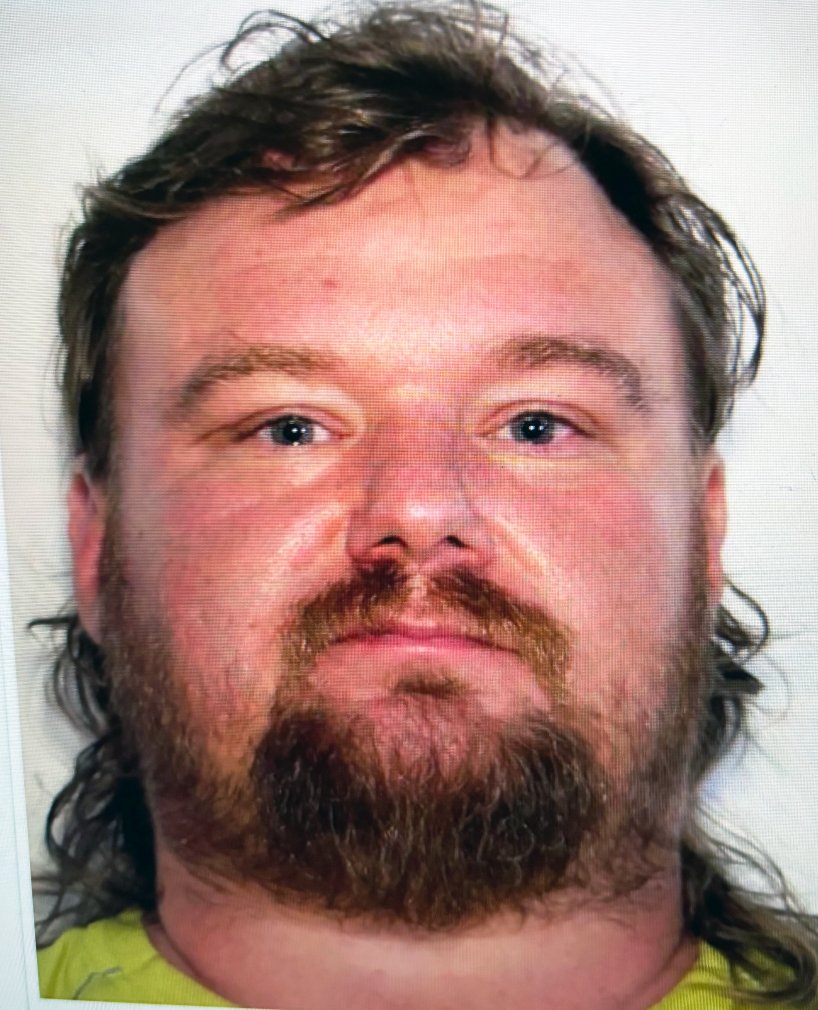
Troy Victorino and the 2004 Deltona Massacre
Background
Troy Victorino was the principal organizer of one of the most notorious mass murders in Florida history. During the early morning hours of August 6, 2004, Victorino and three accomplices entered a rented house at 3106 Telford Lane in Deltona, Florida, and murdered six people. The victims were attacked with aluminum baseball bats and knives or other bladed weapons. A pet dog was also killed.
The crime became known as the Deltona massacre and was frequently labeled the “Xbox murders.” Although an Xbox video-game system was among the property Victorino claimed had been taken from him, investigators and prosecutors concluded that the killings were primarily driven by revenge, anger and Victorino’s belief that he had been disrespected.
The Dispute Before the Murders
Before the massacre, Victorino and several associates had been staying without permission at a vacant Deltona residence owned by the grandparents of Erin Belanger. Belanger had moved to Florida from New Hampshire and was responsible for watching the property. She discovered that Victorino and others were using the house as a place to stay and hold gatherings.
Belanger contacted law enforcement and had the unauthorized occupants removed. Property left inside the house was collected and boxed. Victorino later claimed that an Xbox, clothing and other belongings had been withheld or stolen. He repeatedly attempted to recover the property and became increasingly hostile toward Belanger and the people living with her on Telford Lane.
Witnesses later described Victorino as being enraged that Belanger had involved the police. Prosecutors maintained that he interpreted her actions as a public humiliation and began planning retaliation. The disagreement over his possessions became the stated grievance, but evidence presented in court showed that Victorino’s objective went far beyond retrieving property.
Planning the Attack
Victorino recruited Jerone Hunter, Robert Cannon and Michael Salas to participate in an attack on the Telford Lane residence. Testimony and physical evidence established that the men gathered weapons and discussed assaulting the occupants before the murders occurred.
Baseball bats were obtained in the days preceding the attack. The men also had bladed weapons. Investigators concluded that the group intended to enter the residence while its occupants were vulnerable and prevent anyone inside from surviving as a witness.
Victorino was already on probation and had an extensive history of violence and incarceration. He had been arrested on a separate battery allegation on July 29, 2004, approximately one week before the massacre, but was released on bail. He met with his probation officer on August 5, the day before the killings, but was not taken into custody for a probation violation.
The August 6, 2004 Massacre
During the early morning of August 6, Victorino, Hunter, Cannon and Salas entered the house at 3106 Telford Lane. Six people were inside. The attackers moved through the residence, striking the victims repeatedly with baseball bats and using knives or similar weapons against several of them.
The victims were attacked in different rooms of the house. Some appear to have been asleep or resting when the assault began. The sudden and coordinated nature of the invasion gave them little opportunity to escape or defend themselves. The number and severity of the injuries demonstrated that the attack was not an impulsive confrontation but a sustained effort to kill everyone present.
Jonathan Gleason was on or near a reclining chair when the intruders entered. Francisco “Flaco” Ayo-Roman was repeatedly struck with an aluminum bat. Roberto “Tito” Gonzalez was beaten and stabbed. Anthony Vega and his girlfriend, Michelle Ann Nathan, were attacked in or near a bedroom. Nathan reportedly attempted to conceal herself in a closet but was discovered and killed.
Erin Belanger, the person Victorino principally blamed for his eviction and lost property, was also beaten to death. Evidence presented during the prosecution showed that her body was subjected to additional abuse after she had been killed. Belanger’s dachshund, George, was deliberately killed during the invasion.
Victims
- Erin Belanger — Murdered on August 6, 2004, at 3106 Telford Lane in Deltona, Florida. Belanger had arranged for Victorino and other unauthorized occupants to be removed from her grandparents’ property. She became the primary target of Victorino’s anger and revenge plan.
- Francisco “Flaco” Ayo-Roman — Murdered on August 6, 2004, at the Telford Lane residence in Deltona. He was Belanger’s boyfriend and had moved from Puerto Rico to Florida. He was working toward completing his education and obtaining nursing credentials.
- Anthony Vega — Murdered on August 6, 2004, inside the Deltona residence. Vega had moved to Florida from New York and worked in painting and construction. He had moved into the Telford Lane house shortly before the massacre.
- Michelle Ann Nathan — Murdered on August 6, 2004, at the Telford Lane house. Nathan was Anthony Vega’s girlfriend. Evidence indicated that she attempted to hide during the attack but was found and killed.
- Jonathan Gleason — Murdered on August 6, 2004, at the Deltona residence. Gleason was attacked near a reclining chair. He was remembered as intelligent and multilingual and had reportedly expressed an interest in volunteering at a medical clinic in Africa.
- Roberto “Tito” Gonzalez — Murdered on August 6, 2004, at the Telford Lane residence. Gonzalez had moved to Florida from New York and was staying at the house on the night of the attack. He was beaten and stabbed during the massacre.
- George — Erin Belanger’s pet dachshund was deliberately killed inside the house during the August 6, 2004 attack.
Discovery of the Crime Scene
The victims were found later on August 6 after authorities were summoned to the residence. Investigators encountered an exceptionally violent crime scene containing extensive blood evidence, damaged property and the bodies of the six victims in several areas of the house.
The condition of the residence immediately suggested that multiple offenders had participated. Detectives began reconstructing the dispute involving Belanger and Victorino and learned about Victorino’s repeated attempts to recover his belongings. Witness interviews quickly focused attention on Victorino and the men associated with him.
Physical Evidence and Arrests
Investigators recovered evidence connecting Victorino and his accomplices to the murders. Bloody footwear impressions, clothing, weapons, witness testimony and statements made by members of the group became important components of the prosecution.
Victorino’s large boots were a particularly significant piece of evidence. Prosecutors connected the boots and their impressions to the Telford Lane crime scene. Victorino later claimed that someone had taken his boots and used them while he was elsewhere, but the jury rejected his explanation.
Victorino, Hunter, Cannon and Salas were arrested and charged in connection with all six murders. Investigators portrayed Victorino as the leader who organized the group, selected the target and supplied the motive for the attack.
Trial and Conviction
Because of the extraordinary publicity surrounding the case in Volusia County, the principal trial was moved to St. Augustine, Florida. Victorino, Hunter and Salas were tried together in 2006. Cannon entered guilty pleas rather than proceeding through the same trial.
Victorino maintained that he had been at a bar when the murders occurred and denied entering the Telford Lane house. His defense challenged the reliability of witnesses and argued that physical items associated with him could have been used by someone else.
The prosecution presented Victorino as the architect of the massacre. Jurors heard evidence regarding his conflict with Belanger, his efforts to recruit the other men, the collection of weapons, his threatening statements and the physical evidence recovered after the killings.
On July 25, 2006, Victorino was convicted of six counts of first-degree murder. He was also convicted of armed burglary, conspiracy, abuse of a dead human body and cruelty to an animal. Hunter and Salas were also convicted of charges arising from the massacre. Cannon received six consecutive life sentences after pleading guilty.
Death Sentence
On August 2, 2006, Circuit Judge William Parsons sentenced Troy Victorino to death for the six murders. Jerone Hunter also received death sentences. Michael Salas and Robert Cannon were sentenced to life imprisonment without the possibility of parole.
Victorino’s convictions survived appellate review, but his original death sentences were later overturned because the jury recommendations had not been unanimous. Changes in Florida death-penalty law required a new sentencing proceeding rather than a new trial on guilt. His six murder convictions remained in effect.
After years of litigation and delays, a new penalty-phase jury again considered the circumstances of the murders and the evidence offered in mitigation. Victorino was resentenced to death on November 3, 2025. Hunter was also resentenced to death for his participation in the massacre.
Legacy of the Case
The Deltona massacre remains one of the deadliest and most disturbing crimes in Volusia County history. The case attracted national attention because six young people were killed over a dispute that had begun with an eviction, personal belongings and Victorino’s demand for retaliation against those he believed had disrespected him.
The murders also produced scrutiny of Florida’s probation system. Victorino had been arrested shortly before the massacre and had met with his probation officer one day before the killings. Questions were raised about whether a faster response to his alleged probation violation could have resulted in his detention and prevented the attack.
Although the crime is often remembered by the sensational “Xbox murders” label, the prosecution established that the killings were a calculated act of revenge led by Troy Victorino. Erin Belanger, Francisco Ayo-Roman, Anthony Vega, Michelle Nathan, Jonathan Gleason and Roberto Gonzalez were six individuals whose lives were taken in a planned home invasion on August 6, 2004.