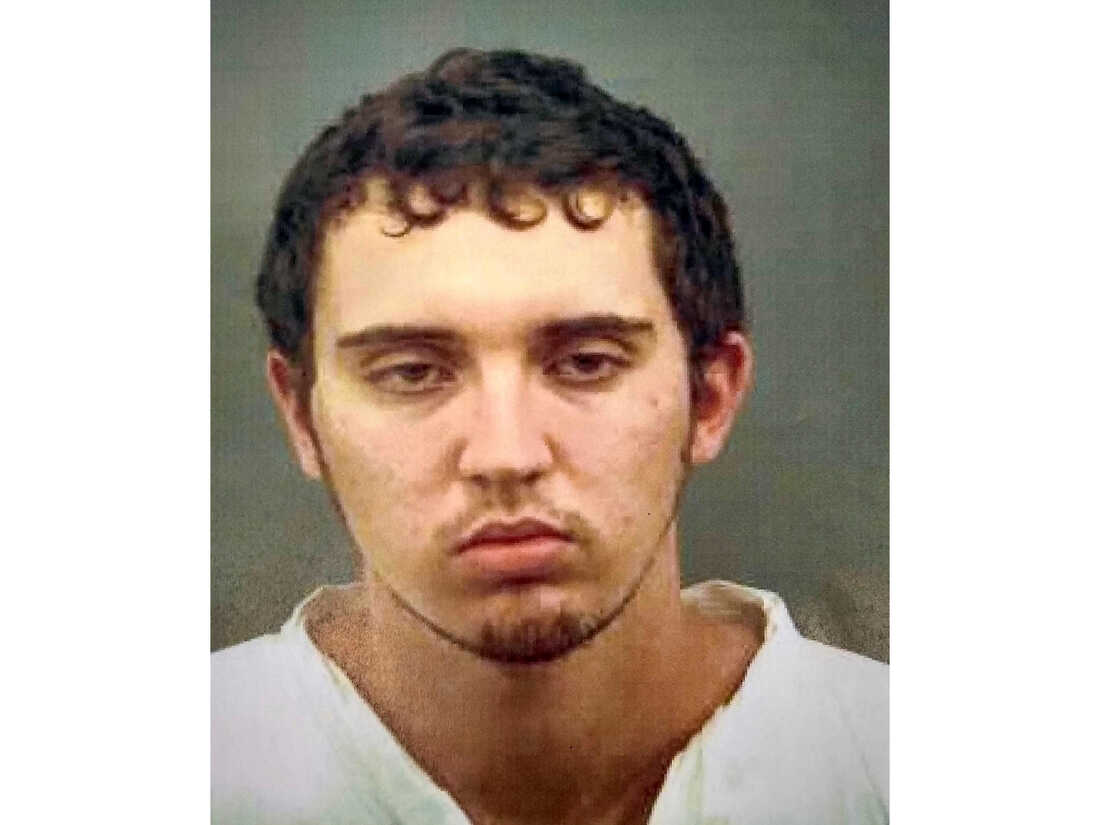
Mark Essex and the 1973 New Orleans Sniper Attack
Overview
Mark James Robert Essex was a 23-year-old former United States Navy sailor who carried out two connected shooting attacks in New Orleans, Louisiana, beginning on December 31, 1972, and ending with a prolonged siege at the Downtown Howard Johnson’s Motor Lodge on January 7, 1973. By the time the violence ended, Essex had fatally shot nine people, including five members of the New Orleans Police Department, and wounded numerous police officers, firefighters, hotel employees, emergency workers and civilians.
The attack is often called the 1973 Howard Johnson’s sniper siege, although the first shootings occurred one week earlier on New Year’s Eve. Essex used a Ruger .44-caliber semiautomatic carbine as his principal weapon and also possessed a .38-caliber revolver. His writings, statements and selection of targets indicated that his crimes were driven by intense racial hatred, revolutionary beliefs and hostility toward law enforcement. The violence culminated in a rooftop battle involving police marksmen firing from nearby buildings and officers shooting from a United States Marine Corps helicopter.
Background and Growing Radicalization
Essex was born on August 12, 1949, in Emporia, Kansas. He grew up in a working family and was remembered by relatives and childhood acquaintances as a quiet young man who enjoyed hunting, fishing and mechanical work. After briefly attending college, he enlisted in the United States Navy in January 1969.
During his naval service, Essex reportedly became increasingly angry about racial discrimination. He complained of harassment and unfair treatment by white sailors and superiors. His behavior and attitude deteriorated, and he received disciplinary action before leaving the Navy in 1970 with a general discharge under honorable conditions.
After returning to civilian life, Essex became interested in Black nationalist and revolutionary ideas. He eventually moved to New Orleans and lived in a small apartment at 2619 Dryades Street. Investigators later discovered that the apartment’s windows had been covered to prevent light from entering. The walls contained racial slogans, revolutionary messages and writings expressing hatred toward police officers and white society.
A map of New Orleans was also found in the apartment, with areas near police headquarters and the Downtown Howard Johnson’s Hotel marked or circled. The discovery suggested that Essex had considered or prepared for attacks against both locations before the shootings occurred.
The New Year’s Eve Attack
At approximately 10:55 p.m. on December 31, 1972, Essex approached the New Orleans Police Department’s Central Lockup near the intersection of Perdido Street and South White Street. The location was especially busy because officers were gathering for the approaching 11:00 p.m. shift change.
Essex carried his rifle, revolver, ammunition, lighter fluid, matches, wire cutters, a gas mask and firecrackers in a duffel bag. He concealed himself in a dark parking area across from the lockup and opened fire on police personnel near the gate.
Police cadet Alfred Ephren Harrell Jr., who was nearing the end of his shift, ran across the entrance area after gunfire began. Essex shot Harrell in the chest. The bullet also ricocheted and wounded Lieutenant Horace Perez in the ankle. Harrell was transported to Charity Hospital but died shortly afterward.
Essex escaped by climbing a fence and crossing the elevated Interstate 10 expressway. He used exploding firecrackers as a diversion while officers attempted to determine the direction from which the shots had been fired.
After reaching the industrial Gert Town area, Essex attempted to enter a building at 4100 Euphrosine Street by shooting its door. He then broke into the nearby Burkart Manufacturing Building at the corner of Euphrosine and South Gayoso streets. The forced entry triggered a burglar alarm.
Sergeant Edwin Chisholm Hosli Sr. and Officer Harold Blappert responded with a police dog. Essex ambushed the officers from inside the building. Hosli was struck in the chest and abdomen and critically wounded. Blappert escaped the immediate line of fire and summoned assistance.
Police surrounded and searched the area, but Essex slipped away. Sergeant Hosli remained hospitalized for more than two months before dying from his wounds on March 5, 1973.
The Week Between the Attacks
During the first days of January 1973, police conducted an intensive search for the unidentified gunman. Essex hid for at least part of that period inside the First New St. Mark Baptist Church near the industrial area where the New Year’s Eve shootings had occurred.
A minister discovered an armed stranger inside the church on January 1, but Essex fled before officers arrived. On January 2, grocer Joseph Perniciaro noticed a suspicious young man with a bloodstained bandage around one hand. Perniciaro sold him food and a razor and later told police that the man had entered the nearby church.
When officers searched the church, they found signs that someone had been living there, including food wrappers, bloodstains and ammunition. Essex had also left a note apologizing to the minister for entering the building. By the time police arrived, however, he had again disappeared.
The January 7 Shooting Begins
On the morning of January 7, 1973, Essex returned to Joe’s Grocery. At approximately 10:15 a.m., he confronted Joseph Perniciaro and shot him in the shoulder as the grocer attempted to escape. Perniciaro survived.
Essex then approached motorist Marvin Albert on South White Street and ordered him out of his 1968 Chevrolet Chevelle. Essex reportedly told Albert that he did not want to kill him before driving away in the stolen automobile.
Essex drove to the Downtown Howard Johnson’s Motor Lodge at 330 Loyola Avenue in New Orleans’ Central Business District. The hotel stood across from City Hall and the Orleans Parish Civil District Court. Its lower levels contained parking areas, while guest rooms occupied the upper floors.
After parking on the fourth level of the garage, Essex climbed an exterior fire escape. Several doors were locked, but he eventually entered through a door near the top of the hotel that had been left open for employees.
Murders Inside the Howard Johnson’s Hotel
Near room 1829 on the hotel’s upper floor, Essex encountered Dr. Robert Vernon Steagall and his wife, Elizabeth Newton Steagall. The couple had traveled from Virginia and were staying at the hotel while visiting New Orleans.
Dr. Steagall attempted to confront or disarm Essex. During the struggle, Essex shot him in the arm and then fatally shot him in the chest. Elizabeth pleaded for her husband’s life and moved toward him. Essex then shot and killed her.
Essex entered the Steagalls’ room, poured lighter fluid on combustible material and started a fire. He left a Pan-African flag near the couple before moving through the hotel and setting additional fires. Smoke quickly spread through hallways, stairwells and elevator shafts, complicating rescue efforts and causing confusion among guests and emergency personnel.
Frank Edward Schneider, the hotel’s assistant manager, went to an upper floor after employees reported seeing an armed man. Essex encountered Schneider on the 11th floor and fatally shot him. A hotel porter accompanying Schneider managed to reach a stairwell and escape.
Hotel general manager Walter Sherwood Collins attempted to warn guests and direct people away from the danger. Essex shot Collins in the back and abdomen on the 10th floor. Although gravely wounded, Collins continued trying to warn others before collapsing. He remained hospitalized until his death on January 26, 1973.
Police and Firefighters Under Fire
As police officers, firefighters and ambulance crews converged on the hotel, Essex moved between floors, stairways, exterior ledges and the roof. He fired from elevated positions at people below, making it difficult for rescuers to determine his exact location.
Officers Michael Burl and Robert Childress entered an elevator while searching for the gunman. Smoke caused the elevator to stop near the upper floors, trapping them. The officers were forced to escape through the elevator shaft, suffering smoke inhalation and injuries during their descent.
Hotel guest Robert Beamish was shot near the swimming pool area and fell into the water. He remained in the pool for an extended period before rescuers could safely reach him. Essex also fired on firefighters, ambulance personnel and officers attempting to assist victims around the hotel.
Officer Phillip Joseph Coleman Sr. drove a police vehicle toward wounded officers near the hotel plaza. As Coleman attempted to help place the injured men into the vehicle, Essex shot him in the head. Coleman died from the wound.
Traffic Officer Paul Arlynn Persigo was attempting to keep civilians away from the danger outside the hotel when Essex shot him from an elevated position. Persigo was taken to Charity Hospital but was pronounced dead.
Deputy Superintendent Louis Joseph Sirgo, one of the highest-ranking members of the New Orleans Police Department, organized a rescue team to locate the officers trapped near the upper floors. At approximately 1:07 p.m., Sirgo and other officers climbed a stairway after hearing what they believed might be a police whistle.
As Sirgo approached the 16th floor, Essex fired at close range, striking him in the chest. Sirgo fell backward into the officers behind him and was carried from the building. He was pronounced dead after reaching the hospital.
The Rooftop Siege
Essex eventually reached the roof and took cover near a concrete utility structure. From there, he continued firing at police officers, firefighters and rescue workers. Smoke from the fires he had started poured from the building, reducing visibility and adding to the belief that more than one gunman might be hiding inside the hotel.
Witnesses reported gunfire coming from different areas, and police initially believed that Essex had one or more accomplices. Officers conducted repeated searches of the hotel, but no second attacker was conclusively identified. Investigators ultimately attributed the principal shootings to Essex acting alone.
The height of the hotel and the limited access to the roof made a direct assault extremely dangerous. Police obtained assistance from a Marine Corps helicopter. Armed police marksmen boarded the aircraft and fired at Essex’s rooftop position while officers in nearby buildings also opened fire.
Shortly before 9:00 p.m. on January 7, Essex emerged from behind the concrete structure and fired toward the helicopter. Police marksmen responded with sustained gunfire. Essex was struck repeatedly and killed on the roof, ending a siege that had continued for approximately ten hours.
Fatal Victims
- Police Cadet Alfred Ephren Harrell Jr., 19 — Shot on December 31, 1972, while working at the gate of the New Orleans Police Department Central Lockup near Perdido and South White streets. He died shortly afterward at Charity Hospital.
- Sergeant Edwin Chisholm Hosli Sr., 30 — Shot on December 31, 1972, while responding to a burglar alarm at the Burkart Manufacturing Building near Euphrosine and South Gayoso streets. He died from his wounds on March 5, 1973.
- Dr. Robert Vernon Steagall, 28 — Shot and killed on January 7, 1973, near room 1829 on an upper floor of the Downtown Howard Johnson’s Motor Lodge at 330 Loyola Avenue.
- Elizabeth Newton Steagall, 25 — Shot and killed beside her husband on January 7, 1973, near their room at the Downtown Howard Johnson’s Motor Lodge.
- Frank Edward Schneider, 62 — The hotel’s assistant manager. He was shot and killed on January 7, 1973, while investigating reports of an armed intruder on the 11th floor.
- Walter Sherwood Collins, 56 — The hotel’s general manager. He was shot on the 10th floor on January 7, 1973, while warning guests and employees. He died from his wounds on January 26, 1973.
- Officer Phillip Joseph Coleman Sr., 26 — Shot and killed on January 7, 1973, near the hotel plaza while attempting to assist wounded officers and transport them to safety.
- Officer Paul Arlynn Persigo, 33 — Shot from an elevated hotel position on January 7, 1973, while directing civilians away from the danger near Loyola Avenue.
- Deputy Superintendent Louis Joseph Sirgo, 48 — Shot on January 7, 1973, in a stairway near the 16th floor while leading a team attempting to rescue officers trapped in the smoke-filled hotel.
Known Wounded Survivors
- Lieutenant Horace Perez — Wounded in the ankle during the December 31, 1972, attack at the Central Lockup.
- Joseph Perniciaro — Shot in the shoulder at Joe’s Grocery on the morning of January 7, 1973.
- Robert Beamish — A hotel guest who was shot near the swimming pool area and survived.
- Officer Charles Arnold — Wounded by gunfire during the response at the Howard Johnson’s Hotel.
- Officer Lawrence Arthur — Wounded while police attempted to contain Essex.
- Sergeant Emanuel Palmisano — Shot while attempting to assist another wounded officer near the hotel plaza.
- Officer Kenneth Solis — Wounded by gunfire near the hotel.
- Deputy David Munch — A Jefferson Parish sheriff’s deputy wounded during the siege.
- Firefighter Joseph Anderson — Shot while participating in firefighting and rescue operations.
- Firefighter Thomas Calamari — Wounded by gunfire during the hotel emergency.
- Firefighter Timothy Ursin — Shot while responding to the fires and casualties.
- Ambulance driver Christopher Caton — Wounded while emergency personnel attempted to reach victims.
- Officers Michael Burl and Robert Childress — Injured and affected by smoke after becoming trapped near the upper floors in an elevator.
Investigation and Questions About Additional Gunmen
During and immediately after the siege, many officers believed that two or three snipers were inside the hotel. The fires, smoke, echoes between surrounding buildings and Essex’s movement between several firing positions made the gunshots appear to come from different directions.
Police searched every room, utility space and rooftop structure after Essex was killed. Although investigators examined reports of possible accomplices and conflicting descriptions of the weapons being fired, no second gunman was found. The official investigation ultimately concluded that Essex was responsible for the attacks.
Investigators recovered Essex’s weapons, ammunition and other evidence. Materials found in his apartment demonstrated extensive planning, deep hostility toward police and a fixation on racial warfare. His decision to spare or warn some Black civilians, while deliberately targeting white victims and police officers, further demonstrated the racial motive behind much of the violence.
Aftermath and Legacy
The Howard Johnson’s attack became one of the most traumatic events in New Orleans law-enforcement history. Five police personnel died as a result of Essex’s two attacks, while other officers endured serious wounds, smoke exposure and psychological trauma.
The siege demonstrated the extraordinary difficulty of confronting a mobile sniper firing from a high-rise building. Police lacked many of the specialized weapons, communications systems and tactical units later developed for major active-shooter incidents. The use of a helicopter carrying police marksmen was an unusual and controversial measure, but officials believed it was necessary because Essex’s rooftop position could not be safely approached from inside the burning hotel.
The Downtown Howard Johnson’s Motor Lodge remained associated with the tragedy for decades. The building was later operated under other names before eventually being demolished. The attack continued to be remembered through police memorials, anniversary observances and accounts from survivors who had spent hours trapped inside the smoke-filled hotel.
Mark Essex died on January 7, 1973, at the age of 23. His crimes were not confined to a single sudden outburst. They began with a prepared ambush on New Year’s Eve, continued through a week of hiding and concluded with a carefully armed assault on a downtown hotel. The nine people he killed included hotel guests, employees and police officers whose ordinary activities were transformed into a prolonged scene of fire, gunfire and fear in the center of New Orleans.