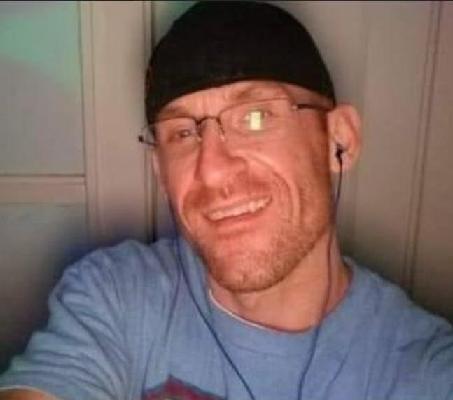
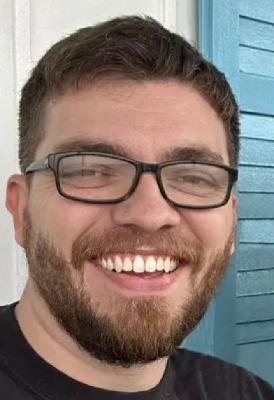
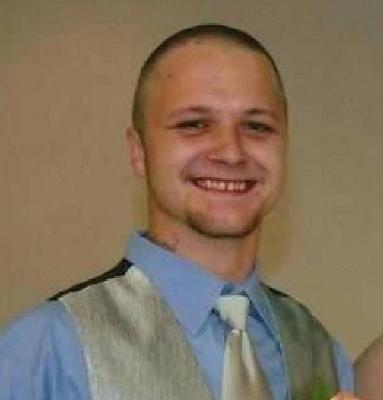
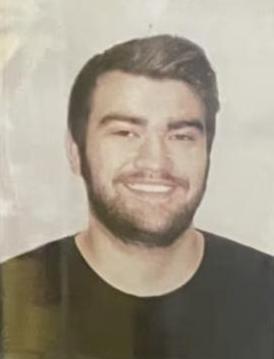
Ryan Scott McFarland Jr., a 13-year-old boy from Muscatine, Iowa, was one of six family members killed on June 1, 2026, in a mass shooting that authorities described as a domestic-related dispute. The violence unfolded in the middle of the day across multiple locations in Muscatine, turning what first appeared to be a single shooting call into a citywide homicide investigation.
Police were first called at about 12:12 p.m. to a home at 210 Park Avenue after a report of a shooting.
When officers and emergency medical personnel entered the residence, they found four people with gunshot wounds, all of whom were pronounced dead at the scene. As investigators began working through the initial crime scene, they developed information that there may be more victims elsewhere in the city. Officers later found an adult male dead from an apparent gunshot wound inside a residence at 1509 Mill Street, then found another adult male dead from an apparent gunshot wound inside a business at 808 Grandview Avenue.
Authorities later identified the victims as members of the same family: Lisa or Lesa McFarland, Dakota Whitlow, Austin Harris, Ryle McFarland, Mark McFarland, and Ryan McFarland Jr. The deaths devastated Muscatine, where school officials said the victims included students and school employees, and where grief counseling was made available as the community tried to process the scale of the loss.
The suspect was identified by police as Ryan Willis McFarland, 52, of Muscatine, who was reported to be a relative of the victims and, according to accounts from the vigil and police statements, the father of several of those killed. Police said he had left the Park Avenue residence before officers arrived. Law enforcement found him a short time later on the Riverfront Trail near the pedestrian bridge along the Mississippi River. As officers were speaking with him, he died from a self-inflicted gunshot wound. Officers and EMS personnel attempted to render aid, but he was pronounced dead at the scene.
Because the suspected shooter died at the scene, there were no arrests, no criminal charges filed, and no trial or conviction in connection with Ryan Jr.’s death. Police publicly said there was no ongoing threat to the community, but the investigation remained active as detectives processed multiple crime scenes, conducted interviews, and continued piecing together the timeline of how the shootings moved from one location to another.
Police Chief Anthony Kies described the killings as an act of evil and said preliminary findings pointed to a domestic-related dispute. Authorities also confirmed that Ryan Willis McFarland had a criminal record, though police did not initially release details in their official statements. Reporting after the shootings focused on his past legal history and the family’s prior public difficulties, but the confirmed law enforcement narrative remained that he shot and killed six family members before taking his own life when confronted by officers.
A vigil was held the following evening, where surviving relatives and community members mourned the family. Johnathan McFarland, the surviving son, spoke publicly about losing his mother, siblings, and father, expressing grief for all of them despite the horror of what police said his father had done. The case became one of the deadliest domestic violence incidents in Iowa in 2026 and part of a broader pattern of family mass killings tracked nationally that year. Ryan Jr.’s death was not an isolated act of violence, but part of a sweeping family tragedy that left an entire community grieving six lives taken in a single afternoon.