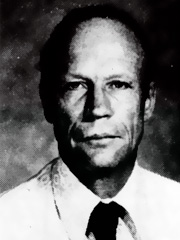
Steven Kazmierczak and the 2008 Northern Illinois University Massacre
Background
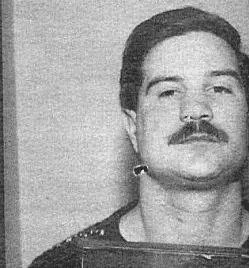
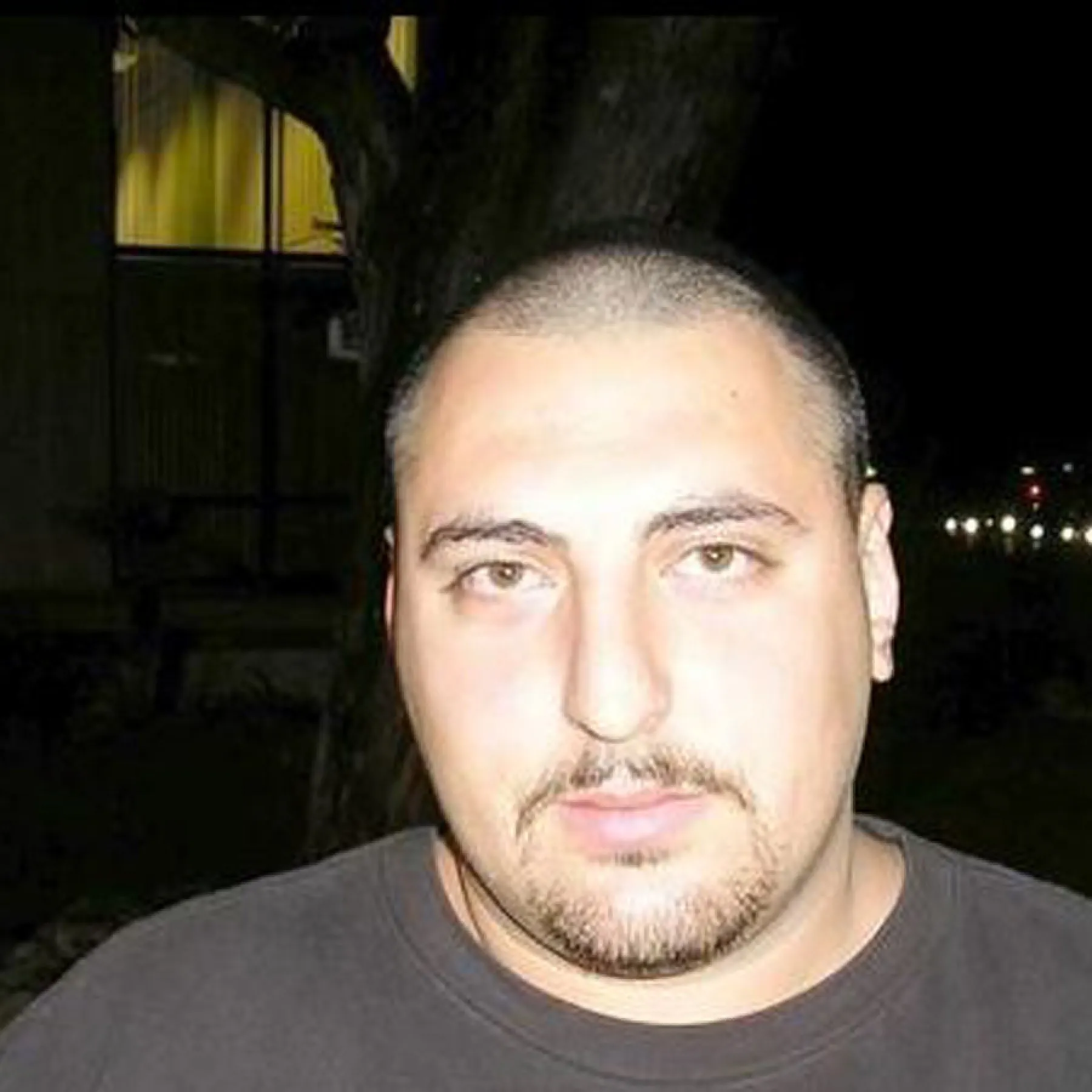
Steven Phillip Kazmierczak was a 27-year-old former Northern Illinois University student who carried out a mass shooting at the university on February 14, 2008. The attack occurred inside Cole Hall on the Northern Illinois University campus in DeKalb, Illinois. Five students were murdered, numerous others were wounded, and Kazmierczak died by suicide before police could take him into custody.
Kazmierczak was born on August 26, 1980, in Hoffman Estates, Illinois, and grew up in Elk Grove Village. He attended Northern Illinois University, where he studied sociology and earned a degree in 2006. People who knew him at the university often described him as intelligent, polite, and academically capable. He had received recognition for his work and had reportedly expressed an interest in social justice, criminal justice, and mental-health issues.
At the time of the massacre, Kazmierczak was enrolled as a graduate student in social work at the University of Illinois at Urbana-Champaign. His outward academic success concealed a complicated history of emotional and psychiatric problems. He had previously received mental-health treatment and had taken prescribed medication. Reports that he had recently stopped taking medication became an important part of the investigation, although investigators never established a single definitive explanation for the attack.
Preparation for the Attack
Evidence gathered after the shooting indicated that Kazmierczak had prepared for the assault. He legally purchased firearms and ammunition in the weeks before February 14, 2008. The weapons associated with the attack included a 12-gauge Remington Sportsman 48 semiautomatic shotgun, a 9mm Glock 19 pistol, a .380-caliber SIG Sauer P232 pistol, and a .380-caliber Hi-Point CF-380 pistol.
Kazmierczak carried the shotgun onto campus concealed inside a guitar case. He was also equipped with loaded magazines, ammunition, a utility belt, handgun holsters, and a knife. Some of the firearms he carried were not discharged, but investigators recovered them at the scene after his death.
Before the massacre, Kazmierczak removed the hard drive from his laptop computer and the memory component from his cellular telephone. These actions deprived investigators of material that might have explained his planning, communications, or motive. He left no clear suicide note or written statement providing a direct reason for choosing Northern Illinois University, Cole Hall, or the particular class he attacked.
The Shooting at Cole Hall
At approximately 3:05 p.m. on Thursday, February 14, 2008, Kazmierczak entered Auditorium 101 in Cole Hall. An introductory oceanography class was underway, with approximately 120 students inside. He entered through a door near the front of the auditorium, close to the stage and teaching area.
Kazmierczak began firing the shotgun toward the students seated in the lecture hall. The sudden gunfire caused panic as students attempted to reach the exits, hide behind seats, or take cover on the floor. The instructor escaped through an available exit while students crowded toward the doors.
After firing the shotgun, Kazmierczak continued the attack with his Glock pistol. He moved along the front and western portion of the auditorium while firing into the occupied seating area. Witnesses later described students helping one another escape and warning others when the attacker appeared to pause or reload.
The assault lasted only several minutes, but the confined auditorium and the number of students present produced devastating consequences. Eighteen people were struck by gunfire. Other students suffered injuries while fleeing, falling, or attempting to take cover.
Police and Emergency Response
The first emergency call reporting the shooting was received at approximately 3:06 p.m. Northern Illinois University police officers were notified almost immediately and rushed toward Cole Hall as students fled across the campus.
Officers entered the building and reached the auditorium within minutes. Kazmierczak had already shot himself on or near the stage before police confronted him. At approximately 3:11 p.m., an officer reported that the shooter was down and that the shotgun had been secured.
Police, firefighters, paramedics, university employees, and students began assisting the wounded. Ambulances and emergency vehicles assembled near the building, while critically injured victims were transported to Kishwaukee Community Hospital and regional trauma centers. The campus was placed under emergency restrictions, classes were canceled, and students were instructed to remain in secure locations until authorities determined that no additional attackers were present.
Victims Murdered on February 14, 2008
- Catalina “Cathy” Garcia, 20 – Garcia was a Northern Illinois University student from Cicero, Illinois. She was killed inside Cole Hall in DeKalb on February 14, 2008.
- Julianna Gehant, 32 – Gehant was a Northern Illinois University student and U.S. Army veteran from Mendota, Illinois. She was killed inside Cole Hall on February 14, 2008.
- Ryanne Mace, 19 – Mace was a student from Carpentersville, Illinois. She was killed during the attack in Cole Hall on February 14, 2008.
- Daniel Parmenter, 20 – Parmenter was a Northern Illinois University student from Westchester, Illinois. He was wounded in Cole Hall and was pronounced dead after being taken to Kishwaukee Community Hospital on February 14, 2008.
- Gayle Dubowski, 20 – Dubowski was a Northern Illinois University student from Carol Stream, Illinois. She was critically wounded in Cole Hall and transported to a trauma center in Rockford, where she was pronounced dead on February 14, 2008.
The Wounded and Survivors
Seventeen people survived gunshot wounds. Additional individuals were injured while attempting to escape the auditorium, bringing the reported number of injured people to 21. Some victims required emergency surgery and extensive medical treatment. The injuries ranged from wounds that could be treated relatively quickly to life-threatening trauma requiring long-term recovery.
Students in the auditorium responded in different ways during the attack. Some ran immediately, while others hid beneath seats or remained on the floor. Several students helped wounded classmates leave the building or attempted to protect others. Their actions, along with the rapid police and medical response, prevented the loss of additional lives.
Investigation and Unresolved Motive
Investigators examined Kazmierczak’s education, relationships, purchases, medical history, writings, and behavior before the massacre. They confirmed that he had once been regarded as a successful student at Northern Illinois University. There was no evidence that he had an ongoing personal dispute with the students in the oceanography class, and the victims appeared to have been selected because they were present rather than because of individual connections to him.
Authorities considered his psychiatric history and reports that he had stopped taking prescribed medication shortly before the shooting. However, mental illness alone did not provide a complete explanation for the planning and deliberate actions involved. Investigators also examined his interest in violence and previous mass shootings, but they could not establish a precise motive.
Kazmierczak’s removal of electronic storage devices further complicated the investigation. Because the missing digital material was never recovered, authorities could not determine whether it contained plans, messages, or statements explaining his intentions. The official conclusion was that the exact motive remained unknown.
Aftermath at Northern Illinois University
The Northern Illinois University community entered a period of mourning after the massacre. Classes were suspended, counseling services were made available, and vigils were held for the murdered students and those who had been wounded. Memorials containing flowers, photographs, candles, signs, and messages appeared throughout the campus.
The attack led university officials and law-enforcement agencies to review emergency communications, building security, medical coordination, and active-shooter response procedures. The speed with which campus police reached Cole Hall was widely examined as part of the official review. The massacre also intensified national discussions about campus safety, firearm access, psychiatric care, and the difficulties of identifying individuals who may be planning violence.
Memorial and Legacy
Northern Illinois University established permanent memorials honoring Catalina Garcia, Julianna Gehant, Ryanne Mace, Daniel Parmenter, and Gayle Dubowski. The victims are remembered as individual students with families, ambitions, friendships, and futures that were taken from them.
The February 14, 2008, Northern Illinois University massacre remains one of the deadliest attacks on a college campus in American history. Although Steven Kazmierczak’s preparation and movements were reconstructed in detail, his underlying motive was never conclusively determined. The lasting focus of the university community has remained on the five students who were murdered, the survivors who endured physical and emotional injuries, and the people who responded during the emergency.