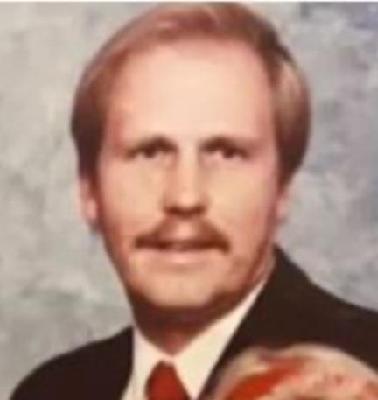
On a grim Thursday morning, November 14, 1991, the community of Royal Oak, Michigan, was shattered by a tragic act of violence that claimed the life of Christopher Carlisle, a 33-year-old male. The day began like any other at the United States Post Office on West 2nd Street, but it would soon become the scene of a horrific mass shooting. Carlisle, the manager of branch operations, was one of four employees who lost their lives in the rampage.
The perpetrator was identified as Thomas
McIlvane, a 31-year-old former letter carrier who had been fired from the post office. Harboring a deep-seated resentment over his dismissal, McIlvane returned to his former workplace armed with a sawed-off. 22-caliber rifle. He entered the building and methodically began shooting his former colleagues. Christopher Carlisle was one of his first targets. McIlvane shot Carlisle in the head, ending his life.
In the ensuing chaos, McIlvane killed three other postal employees: Mary Ellen Benincasa, 32; Keith Ciszewski, 37; and Rose Marie Proos, 33. He also wounded several others before turning the gun on himself. McIlvane died from a self-inflicted gunshot wound the following day. The incident, which became known as the Royal Oak post office shootings, drew national attention and sparked a conversation about workplace violence, coining the phrase 'going postal'.
Subsequent investigations into the tragedy revealed a troubled work environment at the Royal Oak post office. A congressional report described the management style as 'autocratic' and 'para-military,' suggesting that it contributed to the 'powder keg' atmosphere that ultimately exploded in violence. Some of the staff's animosity was reportedly directed at Carlisle. In the wake of the shootings, the management at the post office was replaced, and there were reports of improved working conditions. The horrific events of that November day left an indelible mark on the Royal Oak community and served as a somber reminder of the devastating consequences of workplace hostility.