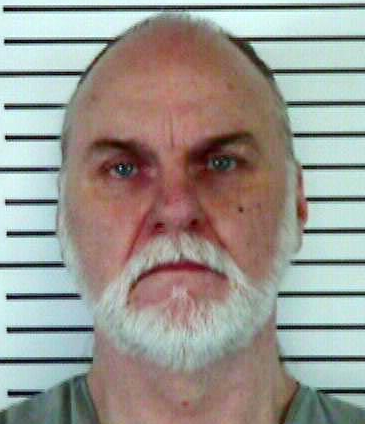
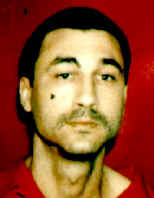
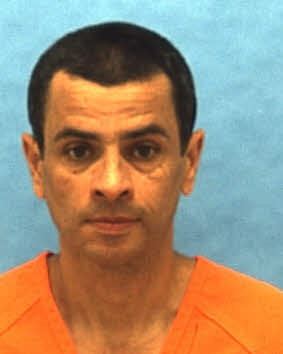
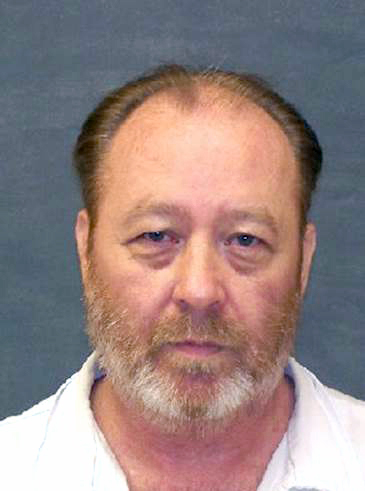
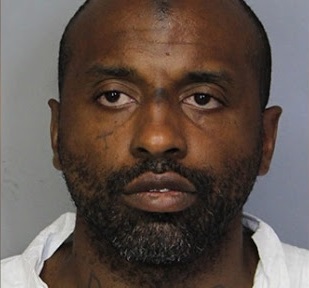
Robert Wesley Knighton: A Trail of Murder Across Missouri and Oklahoma
Early Life and Criminal History
Robert Wesley Knighton was born on February 5, 1941, in Springfield, Missouri. His childhood was marked by instability, neglect and physical abuse. He received little formal education, leaving school after approximately the fourth grade, and spent part of his youth in a reform institution. By adulthood, Knighton had developed a lengthy record of robbery, assault and other violent crimes.
In 1968, Knighton was convicted of armed robbery in Oklahoma and sentenced to ten years in prison. His imprisonment did not end his violent behavior. After his release, he returned to Missouri, where a confrontation in September 1973 resulted in his first known killing.
The Killing of Coffier Day
On September 15, 1973, Knighton became involved in an argument with 32-year-old Coffier Day in Springfield, Missouri. During the confrontation, Knighton produced a pistol and opened fire on Coffier and his father, Claude Day. Claude was wounded in the neck but survived. Coffier was fatally shot.
Immediately after the shooting, Knighton forced his way into the lives of another family. He kidnapped a young couple and their six-year-old daughter, holding them for approximately eleven hours while threatening to kill the child if the adults resisted. The ordeal ended after Knighton stopped at a restaurant to obtain food. The kidnapped woman attacked him with a steak knife, injuring his face and helping bring the abduction to an end.
Knighton was charged with first-degree murder for Coffier Day’s death but pleaded guilty to manslaughter. He was also convicted of kidnapping and robbery. His combined sentences sent him to the Missouri State Penitentiary, where he remained incarcerated for approximately seventeen years.
Release to a Halfway House
By 1989, Knighton had been transferred to a halfway house in Kansas City, Missouri. There he became closely associated with Ruth Renee Williams, a young woman participating in a drug-treatment program, and Lawrence Lingle Brittain, a 17-year-old juvenile offender who was facing transfer to a more restrictive institution.
In January 1990, the three decided to flee Kansas City. Knighton, who was considerably older than his companions, emerged as the leader. According to later testimony, he warned Brittain and Williams that their escape would involve robberies and possibly murders. They stole a van and discussed traveling to either California or Florida.
The Clinton, Missouri, Double Murder
On January 6, 1990, Knighton, Brittain and Williams traveled to Clinton, Missouri, where they visited Frank T. Merrifield. Merrifield was acquainted with Brittain’s family and allowed the group into his home. Also present was Roy E. “Ray” Donahue, who was described in various accounts as Merrifield’s stepson or friend.
While the group was inside, Merrifield showed Knighton a collection of firearms. He handed Knighton a pearl-handled .22-caliber pistol and invited him to try it. Instead of firing at an ordinary target, Knighton suddenly shot Donahue in the head. Before Merrifield could fully react, Knighton turned the weapon on him and fatally shot him as well.
The murders appeared to have been committed without warning and were followed by robbery. Knighton and his companions stole money and several firearms from the residence. Among the stolen weapons was a .38-caliber revolver that would be used in another double murder two days later.
Searching for an Isolated Home
After killing Merrifield and Donahue, the trio drove south into Oklahoma. Knighton became concerned that police might identify the stolen van, so the group began searching for another vehicle. Attempts to steal cars in the Tulsa and Sand Springs areas were unsuccessful.
They continued west through rural Oklahoma, looking for an isolated residence that could be robbed. Testimony indicated that Knighton intended to take control of a home, kill its occupants and steal their belongings and vehicle. At one location, the group decided not to stop because they believed a child was present.
The Murders of Richard and Virginia Denney
On January 8, 1990, the fugitives entered the driveway of Richard and Virginia Denney’s rented farmhouse in rural Noble County near Tonkawa, Oklahoma. Richard Denney, 62, came outside to determine what the strangers needed. Brittain approached him and asked for directions while concealing a pistol beneath his clothing.
Brittain was expected to initiate the robbery but lost his nerve. Knighton stepped forward, pressed the stolen .38-caliber revolver against Richard’s head and forced him into the house. Inside, 64-year-old Virginia Denney was seated in the kitchen. The couple attempted to cooperate and offered the intruders food or something to drink.
Richard pleaded with Knighton to take whatever he wanted and leave them alive. He reportedly explained that the house had no telephone, meaning the couple could not immediately notify police. Knighton nevertheless offered Brittain the opportunity to shoot the Denneys. When the teenager refused, Knighton shot Richard and Virginia himself.
Both victims were killed inside their home. Knighton and his companions stole approximately $61, cigarettes, a pocketknife and the Denneys’ pickup truck. The small amount taken emphasized the senseless nature of the killings: two people had been murdered after attempting to help strangers who appeared to need assistance.
Arrest in Texas
Knighton, Brittain and Williams abandoned the stolen van and fled Oklahoma in the Denneys’ truck. They reached Canadian, Texas, where they began driving slowly through residential streets while apparently looking for another house or vehicle to target.
A local resident became suspicious after noticing the truck repeatedly circling the neighborhood. She contacted law enforcement, and officers soon stopped the group. Knighton, Brittain and Williams were arrested on January 9, 1990. The truck was connected to Richard and Virginia Denney, leading investigators to the couple’s home and the discovery of their bodies.
Confessions, Charges and Accomplices
Investigators reconstructed the crime spree through physical evidence, witness statements and testimony from Brittain and Williams. The stolen firearms connected the Missouri killings to the Oklahoma murders. Knighton also made statements indicating that he expected to receive the death penalty and that he wanted to accept responsibility rather than allow his younger companions to bear all of the blame.
Brittain and Williams agreed to testify against Knighton in exchange for reduced punishment. Brittain pleaded guilty to two counts of first-degree murder and received two concurrent life sentences. Williams pleaded guilty to two counts of being an accessory after the fact and received concurrent 15-year sentences.
Trial and Death Sentence
Knighton was tried in Noble County, Oklahoma, for the murders of Richard and Virginia Denney. Prosecutors presented evidence of the planning behind the robbery, the Missouri killings, the stolen weapons and Knighton’s leadership of the group. The jury convicted him of two counts of first-degree murder.
During the sentencing phase, jurors found several aggravating circumstances. Knighton had previous convictions involving violence, had knowingly placed more than one person at risk of death and was considered likely to commit additional acts of violence. He was sentenced to death for each of the Denney murders.
Knighton’s convictions and sentences were upheld during the appeals process. Although he was associated with five killings, his death sentences were specifically imposed for the murders of Richard and Virginia Denney in Oklahoma.
Confirmed Victims
- Coffier Day, 32 — Fatally shot by Knighton on September 15, 1973, in Springfield, Missouri. Coffier’s father, Claude Day, was also shot but survived. Knighton later pleaded guilty to manslaughter for Coffier’s death.
- Frank T. Merrifield — Shot and killed by Knighton on January 6, 1990, inside Merrifield’s home in Clinton, Missouri. Money and firearms were stolen after the murder.
- Roy E. “Ray” Donahue, approximately 40 — Shot and killed on January 6, 1990, at Frank Merrifield’s residence in Clinton, Missouri. Knighton used a pistol Merrifield had handed him moments earlier.
- Richard Denney, 62 — Murdered on January 8, 1990, in his rural Noble County home near Tonkawa, Oklahoma. He was forced inside at gunpoint and killed after pleading with Knighton to take the couple’s possessions and spare their lives.
- Virginia Denney, 64 — Murdered alongside her husband on January 8, 1990, at their home near Tonkawa, Oklahoma. Knighton and his companions stole money, personal property and the couple’s pickup truck.
Execution and Final Years
While awaiting execution, Knighton formed an unusual relationship with Sue Norton, the adopted daughter of Richard Denney. Norton publicly forgave Knighton and opposed his execution, eventually speaking on his behalf during clemency proceedings. Other members of the victims’ family continued to believe that the death sentence was appropriate.
Oklahoma’s pardon and parole authorities denied clemency. Robert Wesley Knighton was executed by lethal injection at the Oklahoma State Penitentiary in McAlester on May 27, 2003. He was 62 years old. In his final statement, he thanked his attorneys, expressed regret for what he had done and spoke briefly to Norton.
Legacy of the Crimes
Knighton’s criminal history demonstrated a long pattern of violence interrupted by extended periods of incarceration. His first known murder occurred in 1973, and after serving approximately seventeen years in prison, he quickly returned to robbery and killing. Within several days in January 1990, he murdered four people in two states and led two younger accomplices through a succession of thefts, attempted robberies and violent encounters.
The deaths of Coffier Day, Frank Merrifield, Roy Donahue, Richard Denney and Virginia Denney left lasting damage among their relatives and communities. Knighton’s crimes were not the result of a single confrontation or momentary loss of control. The evidence presented at trial showed deliberate planning, the selection of vulnerable victims and a willingness to kill people primarily to obtain money, weapons and transportation.