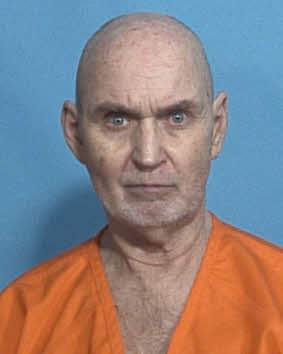
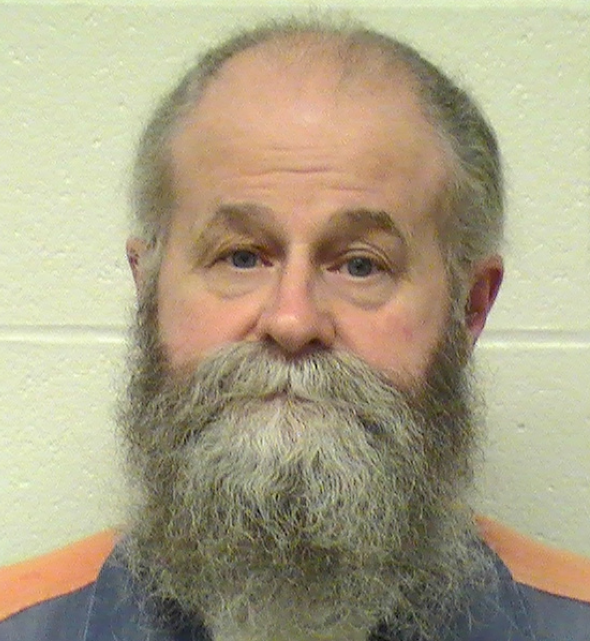
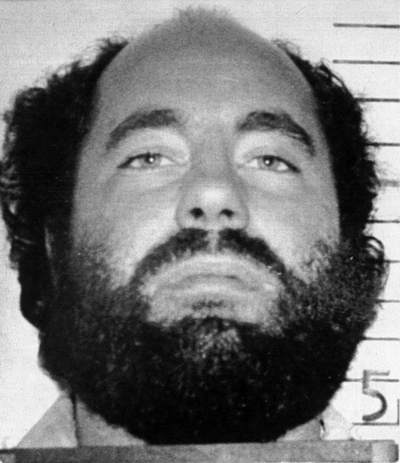
Gary Michael Hilton: The National Forest Serial Killer
Background
Gary Michael Hilton is an American serial killer who became known as the “National Forest Serial Killer” because his four confirmed victims were attacked in or near national forests in the southeastern United States. His confirmed crimes occurred between October 2007 and January 2008 in North Carolina, Florida, and Georgia. Hilton selected isolated outdoor areas where hikers and visitors could be approached without many witnesses. He used violence, kidnapping, robbery, and stolen bank cards as part of his crimes.
Hilton was born on November 22, 1946, in Atlanta, Georgia. He served in the United States Army and later lived an unstable and frequently transient life. By the time of the murders, he was living in a van and spending considerable time in forests, campgrounds, and hiking areas. He traveled with his dog and appeared familiar with remote trails, service roads, campsites, and locations where a body could be concealed.
Confirmed Victims
- Irene Woods Bryant: Irene Bryant, age 84, was killed on October 21, 2007, near the Pink Beds area of Pisgah National Forest in Transylvania County, North Carolina. She and her husband, John, had gone there for a hike. Hilton later admitted that he attacked the couple and killed Irene at the original encounter site. Her body was discovered on November 10, 2007, near the Barnett Branch Trail. She had suffered fatal blunt-force injuries.
- John Davis “Jack” Bryant: John Bryant, approximately 80 years old, was abducted from Pisgah National Forest on October 21, 2007. Hilton held him captive, took his bank card, and forced him to provide its personal identification number. Hilton then transported him to the Nantahala National Forest in Macon County, North Carolina, where he shot and killed him later in October 2007. The publicly available court record identifies the murder as occurring in October but does not establish a certain day of death. John’s remains were discovered on February 3, 2008.
- Cheryl Hodges Dunlap: Cheryl Dunlap, age 46, was abducted on December 1, 2007, after visiting the Leon Sinks Geological Area in or near Apalachicola National Forest, south of Tallahassee, Florida. Court records establish that she was murdered sometime between December 1 and December 8, 2007. Hilton stole her vehicle and used her bank card. Her remains were found in the national forest in December 2007. Hilton was convicted of her kidnapping and murder in 2011 and was sentenced to death in Florida.
- Meredith Hope Emerson: Meredith Emerson, age 24, was killed on January 4, 2008, in Dawson County, Georgia. She disappeared while hiking with her dog, Ella, on Blood Mountain on January 1, 2008. Hilton abducted her after a struggle on the trail and held her captive for several days while attempting to obtain money through her bank card. He killed her with repeated blows to the head and concealed her body in a remote wooded location. Her remains were recovered on January 7, 2008.
The Murders of John and Irene Bryant
On October 21, 2007, John and Irene Bryant drove to Pisgah National Forest for a hike. The elderly couple left their vehicle near Yellow Gap Road and entered the Pink Beds trail system. Hilton had been camping in the area and later admitted that he had prepared to attack potential victims.
Irene was killed near the trail. Hilton abducted John and moved him away from the original scene. He obtained John’s bank card and PIN, later using the card to withdraw money from an automated teller machine in Ducktown, Tennessee. Hilton attempted to hide his identity during the transaction by wearing clothing that concealed much of his face.
John was transported to a different national forest and shot in the head. Separating the two victims and leaving their bodies in different forests complicated the investigation. Irene was found several weeks after the couple disappeared, but John remained missing until his remains were discovered in February 2008. Hilton pleaded guilty to the murders, kidnapping, robbery, and firearm offenses in March 2012. In April 2013, he received four federal life sentences and an additional 15-year sentence.
The Murder of Cheryl Dunlap
Cheryl Hodges Dunlap was a nurse and Sunday school teacher from Crawfordville, Florida. On December 1, 2007, she traveled to the Leon Sinks area, a wooded recreation site south of Tallahassee. Witnesses saw her there during the afternoon. When she failed to meet a friend for dinner and did not appear at church the following morning, relatives and friends became concerned.
Hilton kidnapped Dunlap and stole her white Toyota Camry. During the days that followed, her bank card was used at cash machines. Hilton attempted to conceal his appearance by covering portions of his face with a makeshift mask. Investigators later connected him to Dunlap through evidence involving her vehicle, financial transactions, Hilton’s belongings, and locations where he had stayed.
Dunlap’s body was left in Apalachicola National Forest. Hilton had decapitated her and attempted to destroy identifying evidence by burning her head and hands. Despite those efforts, investigators confirmed her identity through DNA testing. A Florida jury convicted Hilton of first-degree murder, kidnapping, and grand theft. He was sentenced to death on February 22, 2011.
The Abduction and Murder of Meredith Emerson
On January 1, 2008, Meredith Emerson went hiking with her black Labrador retriever, Ella, on Blood Mountain in northern Georgia. Witnesses saw Emerson on the trail near Hilton, who was walking with his own dog. Hilton followed her and attempted to take control of her by threatening her with a knife. Emerson resisted and fought him, but he eventually overpowered her.
Hilton held Emerson captive for several days. He took her bank card and tried to force her to provide the correct PIN. Emerson deliberately supplied incorrect numbers, preventing him from immediately accessing her money. During her captivity, she reportedly gave Hilton misleading personal information and took steps that later helped investigators understand what had happened.
On January 4, 2008, Hilton killed Emerson by striking her head with a blunt object. He removed her head from her body in an attempt to conceal evidence and left her remains in a wooded area in Dawson County. He released Ella, who was found alive in a supermarket parking lot.
Police identified Hilton as a person of interest after witnesses described the older man seen with Emerson. On January 4, officers found him at a gas station while he was cleaning his van with bleach. Blood evidence recovered from the vehicle was connected to Emerson. Hilton was arrested before he could finish destroying the evidence.
Capture and Convictions
Hilton’s arrest in the Emerson investigation allowed authorities in several states to compare evidence from other disappearances and murders. His movements, use of stolen bank cards, vehicle evidence, wilderness knowledge, and method of approaching victims connected him to the Bryant and Dunlap cases.
On January 30, 2008, Hilton pleaded guilty to murdering Meredith Emerson. In exchange for prosecutors not seeking the death penalty in Georgia, he received a life sentence with the possibility of parole after 30 years. Florida later prosecuted him for Cheryl Dunlap’s murder and obtained a death sentence. Federal authorities prosecuted him for the murders of John and Irene Bryant, resulting in multiple additional life sentences.
Possible Additional Victims
Investigators have examined Hilton in connection with other unsolved disappearances and murders involving forests or hiking areas. These cases have included the 1997 death of Judy Smith in North Carolina and the 1998 disappearance of Clemson University student Jason Knapp in South Carolina. Hilton has not been convicted of those crimes, and they should not be treated as confirmed victims. His established legal victim count remains four.
Legacy of the Case
The Hilton cases demonstrated the difficulty of investigating crimes committed across several jurisdictions. The victims disappeared in separate states, their bodies were left in remote locations, and Hilton frequently moved between forests and campgrounds. Cooperation among local police, state investigators, federal authorities, forensic specialists, and the victims’ families was essential to connecting the crimes.
Although Hilton received widespread attention, the lasting focus of the case belongs to Irene and John Bryant, Cheryl Dunlap, and Meredith Emerson. They were people with families, careers, friendships, and active lives who were attacked while visiting peaceful outdoor locations. Hilton’s capture ended a brief but highly violent series of murders and prevented him from continuing to target people in isolated wilderness areas.