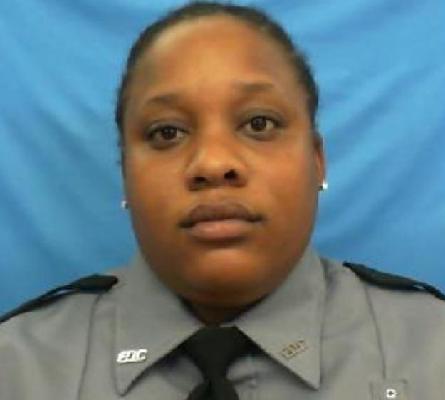
On December 3, 2007, 46-year-old Cheryl Hodges Dunlap, a white woman from Crawfordville, Florida, failed to appear at her church in Tallahassee, where she regularly taught Sunday school. Her absence was immediately noted by her community, prompting concern. The following day, her family reported her missing after discovering her white Toyota Camry abandoned north of the county line.
A substantial search effort ensued, involving approximately 180 volunteers who combed the surrounding areas in hopes of finding Cheryl Hodges Dunlap alive. Despite their efforts, initial searches yielded no results. However, on December 16, 2007, a hunter named Ronnie Rentz, while traversing the Apalachicola National Forest with his dogs, stumbled upon the decapitated and decomposing body of a white woman. The remains were promptly reported to authorities and later confirmed through DNA profiling to be those of Cheryl Hodges Dunlap.
Investigators classified her death as a homicide and began seeking leads. They focused on a suspicious green truck observed in the area around the time of her disappearance. Surveillance footage revealed that a man had used Cheryl Hodges Dunlap's ATM card five times in Tallahassee, withdrawing a total of $700 from her account. Tips from the public mentioned a peculiar homeless man accompanied by a dog, driving a green 2001 Chevrolet Astro van. Despite these leads, no immediate arrests were made, and the Leon County Sheriff's Office treated the case as an isolated incident at the time.
Subsequent investigations linked Cheryl Hodges Dunlap's murder to Gary Hilton, a serial killer operating in the southeastern United States. Hilton was later convicted for multiple homicides, including that of Cheryl Hodges Dunlap, and received a death sentence in Florida. His arrest and conviction brought some closure to the case, highlighting the dangers posed by transient criminals and the importance of community vigilance.