Monroe Hickson: The Aiken Killer
Background
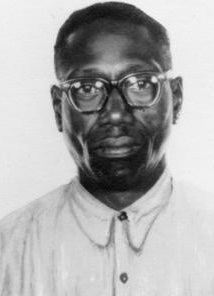
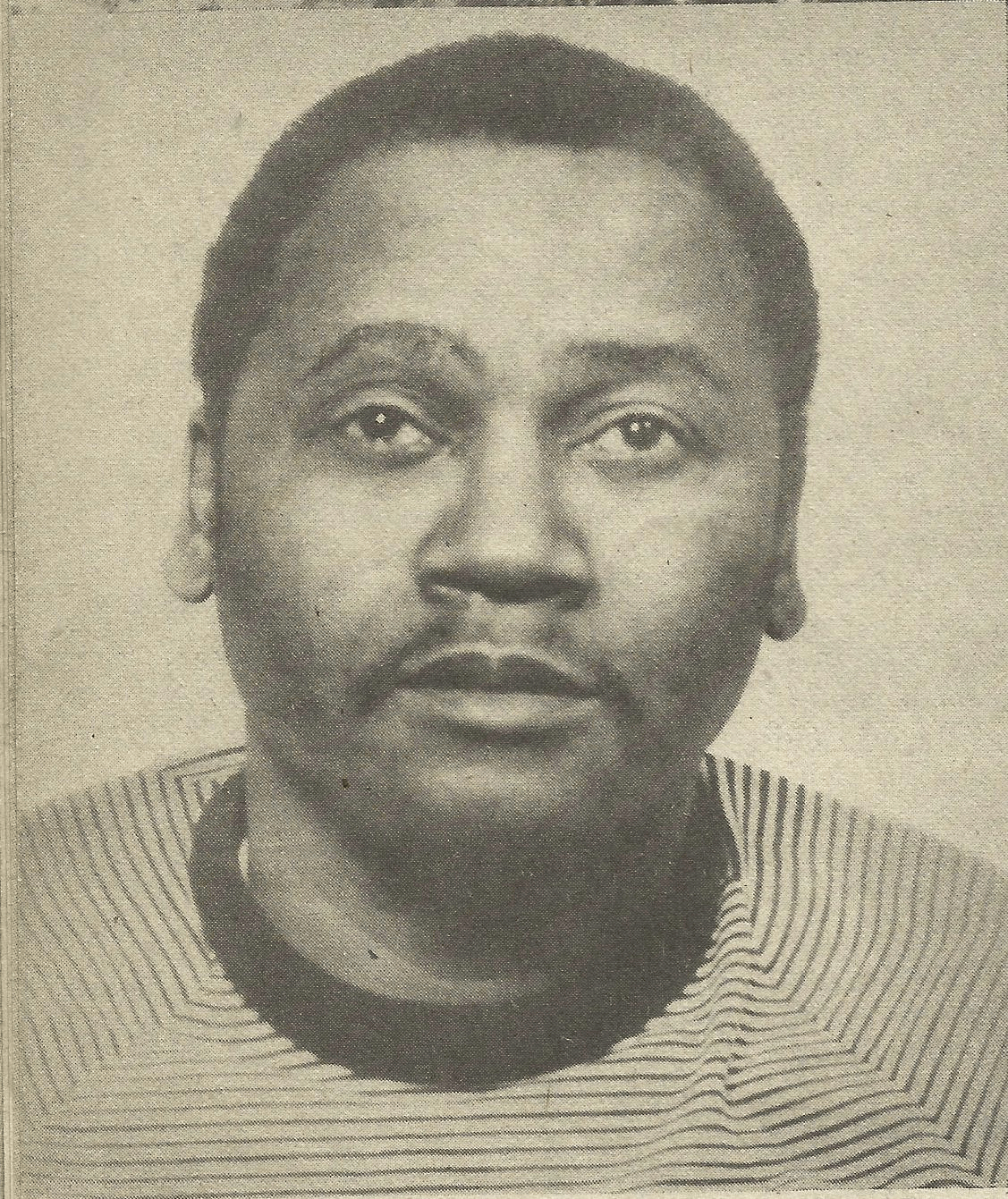
Monroe Hickson was an American serial killer and violent robber whose crimes terrorized Aiken, South Carolina, during 1946. He was born on July 8, 1908, in Aiken County. Although he had little formal education, people who knew him reportedly considered him intelligent and well-read. He was also known for carrying and reading a Bible, an outward habit that sharply contrasted with his record of violence.
Hickson had been in trouble with the law long before he became known as a murderer. In 1931, he was convicted of assault with intent to kill and received a five-year prison sentence. He was released early in 1933. In 1937, he was convicted of burglary and larceny and sentenced to another year in prison. These offenses established a pattern of theft accompanied by violence that became far more deadly in 1946.
The 1946 Murders
Hickson murdered four people between April and September 1946. His victims were attacked in small businesses or private homes in and around Aiken. Robbery appears to have been the immediate motive in each case. The amounts taken were small, but Hickson used extreme and unnecessary violence against the people he encountered.
His first known murder occurred on April 17, 1946. Hickson entered a shop operated by David Garrett in Aiken and attacked Garrett with an axe. After killing him, Hickson searched the business and stole approximately $22, along with a pistol. The stolen firearm soon became the weapon used in his next two murders.
Eleven days later, on the morning of April 28, 1946, Hickson entered the Aiken County grocery store operated by Edward L. Bennett and his wife, Mary Bennett. The Bennetts were shot during the robbery, reportedly in the presence of their young children. Mary was fatally wounded, while Edward survived briefly and spoke to investigators before dying. Hickson escaped with only several dollars and another firearm.
The closeness of the Garrett and Bennett crimes created fear throughout the area. Three people had been murdered in less than two weeks, and local authorities believed the attacks were connected. A reward of $2,500 was offered for information leading to the killer, but Hickson was not identified.
On September 28, 1946, Hickson attacked 76-year-old Annie Gilbert Weisberg in her Aiken home. Her surname was reported in some contemporary accounts as Wiseberg or Wiseburg. Hickson later admitted that he beat her with a piece of firewood and stole approximately five dollars. Other accounts also describe a stabbing during the assault. Weisberg died at the scene or from her injuries that same day.
Confirmed Murder Victims
- David Garrett — April 17, 1946 — Aiken, South Carolina: A shopkeeper attacked and killed with an axe inside his business. Hickson stole cash and a pistol after the murder.
- Edward L. Bennett — April 28, 1946 — Aiken County, South Carolina: A grocery-store owner fatally shot during a robbery. He survived long enough to make a brief statement before dying.
- Mary Bennett — April 28, 1946 — Aiken County, South Carolina: Edward Bennett's wife and fellow store owner. She was shot and killed during the same grocery-store robbery.
- Annie Gilbert Weisberg — September 28, 1946 — Aiken, South Carolina: A 76-year-old woman attacked in her home and killed by severe blunt-force injuries. Her name also appeared in reports as Annie Wiseberg or Annie Wiseburg.
Surviving Victims
Hickson's violence was not limited to the four people he murdered. He also carried out attacks in which the victims survived. One survivor was liquor-store employee Christine Cholakis. Hickson struck her in the head with a brick during a robbery late in 1946 and escaped with a small amount of money. Although some accounts disagree about the exact month, the attack is commonly dated December 4, 1946. Cholakis survived and was therefore not included among Hickson's four murder victims.
On August 7, 1957, Hickson attacked Lucy Hill Parker at her dry-goods store in Graniteville, South Carolina. He struck her in the head and left her seriously injured before stealing money. Parker survived. Hickson was arrested the following day, August 8, 1957. This arrest finally led investigators to uncover the truth about the unsolved 1946 murders.
The Wrongful Conviction of L.D. Harris
Before Hickson confessed, another man nearly lost his life for two of the murders. L.D. Harris became a suspect in the deaths of Edward and Mary Bennett after he left South Carolina for Nashville, Tennessee. Harris was questioned without a lawyer and confessed under circumstances later found to be deeply unreliable.
Harris was convicted of murdering the Bennetts in January 1947 and sentenced to death. His defense argued that the confession had been obtained through pressure and that no independent physical evidence connected him to the crime. The case eventually reached the United States Supreme Court, which overturned the conviction in 1949. Harris was released, but the Bennett murders remained officially unsolved until Hickson admitted responsibility years later.
Confession and Sentencing
After Hickson's arrest in August 1957 for the attack on Lucy Hill Parker, Aiken County Sheriff Wyman Busch began questioning him about other violent crimes. Investigators noticed that Hickson's movements and criminal history corresponded with several unsolved attacks. During interrogation, Hickson unexpectedly confessed to murdering Garrett, the Bennetts and Weisberg.
Hickson described the robberies and supplied details that connected him to the crime scenes. He reportedly claimed that he had been drinking when he committed the murders, but intoxication did not excuse or lessen his legal responsibility. Prosecutors charged him with four counts of murder.
To avoid the possibility of a death sentence, Hickson pleaded guilty. In 1957, he received four consecutive life sentences. His confession officially cleared L.D. Harris of any involvement in the Bennett killings and ended an investigation that had remained unresolved for more than eleven years.
Escape and FBI Manhunt
Hickson was imprisoned at Manning Correctional Institution in Columbia, South Carolina. On March 10, 1966, while assigned to work in an outside prison yard, he walked away without being noticed by the guards. By the time his absence was discovered, he had escaped the immediate area.
A federal warrant was issued, but investigators found few reliable leads. On February 17, 1967, the FBI placed Hickson on its Ten Most Wanted Fugitives list as fugitive number 243. Authorities warned that he had a long record of violent attacks and should be considered dangerous.
Hickson lived under the name Willie Tyler and worked as a migrant laborer in North Carolina. He remained free for the rest of his life. On December 29, 1967, he died of natural causes in Chapel Hill, North Carolina, without authorities realizing that the deceased laborer was the escaped killer they were seeking.
In early 1968, a couple recognized Hickson's photograph on an FBI wanted display and reported that the man resembled the worker known as Willie Tyler. Investigators compared fingerprints and confirmed that Tyler had been Monroe Hickson. The FBI then removed him from the Ten Most Wanted list.
Legacy
Monroe Hickson's case is remembered not only for four brutal murders, but also for the serious failure of justice surrounding the Bennett investigation. L.D. Harris was convicted and sentenced to death for crimes he did not commit, while the actual killer remained unidentified for more than a decade.
Hickson was ultimately convicted because of his own confession rather than a successful investigation at the time of the murders. Although he received four life sentences, his escape allowed him to spend the final twenty-one months of his life outside prison. He died under an assumed identity before the FBI could locate and return him to custody.