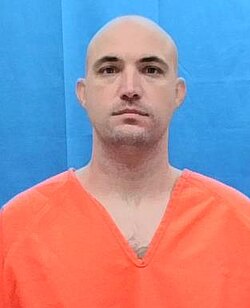
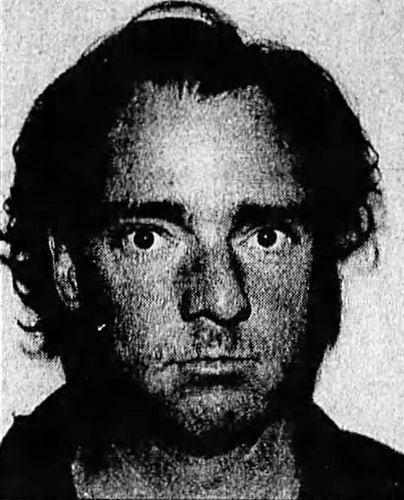
Harvey Marcelin: The New York Parolee Killer
Overview
Harvey Marcelin’s criminal history spans nearly six decades, marked by the brutal murders of three women in New York City. Twice convicted of killing his girlfriends and twice released on parole, Marcelin committed his third murder in 2022 at the age of 83. The case drew significant attention due to the gruesome nature of the final crime and the fact that Marcelin, who had spent over 50 years in prison, was free to kill again. The murders, committed in 1963, 1985, and 2022, demonstrated a pattern of violence against women with whom he had personal relationships. His repeated releases from prison have raised serious questions about the parole system and its ability to assess the ongoing danger posed by violent offenders.
Early Life and Background
Harvey A. Marcelin was born on May 21, 1938, in Harlem, New York City. Raised as the only child of a shipping clerk and a seamstress, his early life was reportedly stable until his father's death when he was ten. Marcelin later claimed to have suffered abuse at a Catholic school in Harlem, which he said led to emotional and behavioral problems.
His criminal record began in his youth. In 1957, he was arrested for felony assault. A more serious charge of rape was filed against him in March 1963. It was in the context of this legal trouble that he would commit his first murder. Psychiatric evaluations over the years would diagnose him with conditions such as "schizoid personality disorder with sociopathic features," but he was consistently found sane and fit to stand trial.
The Murder of Jacqueline Bonds
In the early 1960s, Marcelin was in a relationship with Jacqueline Bonds. The relationship was reportedly tumultuous. In March 1963, Marcelin was arrested for attempted rape and other charges. He implicated Bonds, who was also detained. Prosecutors offered Bonds immunity in exchange for her testimony against Marcelin.
On April 18, 1963, before he was scheduled to appear before a grand jury on the rape charge, Marcelin went to Bonds' apartment at 2216 Eighth Avenue in Manhattan. An argument erupted in the hallway, and Marcelin pulled out a .32-caliber revolver and shot her. Bonds fled into her bedroom, where Marcelin shot her again. She staggered into the living room and collapsed, having been shot three times. Marcelin was arrested shortly after and sent to Bellevue Hospital for a psychiatric assessment. He later claimed he killed Bonds out of jealousy, stating he did not want her to be with other men.
First Conviction and Parole
On November 18, 1963, a jury found Harvey Marcelin guilty of first-degree murder for the death of Jacqueline Bonds. After the jury deadlocked on the death penalty, he was sentenced to life in prison with the possibility of parole. He served his sentence in various New York prison facilities. After approximately 20 years, in May 1984, Marcelin was granted parole and released from prison.
The Murder of Anna Laura Serrera Miranda
Less than two years after his release, Marcelin killed again. In early 1985, he was living in a hotel in Harlem where he met 29-year-old Anna Laura Serrera Miranda, who was also known as Ana-Laura Sierra. She became his roommate.
On October 29, 1985, after reportedly ingesting crack cocaine, Marcelin got into an argument with Miranda. He claimed the dispute was over her failure to pay rent and her theft of some of his belongings, including a flute. During the argument, he stabbed her to death. An autopsy would later reveal she had been stabbed 33 times.
In a grim foreshadowing of his final crime, Marcelin dismembered Miranda's body. He placed her remains into black plastic garbage bags and scattered them around Central Park. A neighbor who saw him carrying blood-soaked bags alerted the authorities, leading to his quick arrest. Marcelin confessed to the killing but claimed it was in self-defense.
Second Conviction and Parole
Because he had committed a new felony while on lifetime parole, Marcelin was returned to prison. In 1986, he was convicted for Miranda's death. In a plea deal, the charge was reduced from murder to first-degree manslaughter, and he was sentenced to a term of 6 to 12 years, to be served in addition to his ongoing life sentence.
Over the next three decades, Marcelin applied for parole numerous times. During a 1997 parole hearing, he admitted that he had "problems" with women. His requests were repeatedly denied, with the parole board citing the severity of his crimes and his violent history. However, on August 7, 2019, at the age of 81, Harvey Marcelin was granted parole for a second time. The board considered his advanced age, his completion of rehabilitation programs, and letters of support from volunteer organizations.
The Murder of Susan Leyden
After his 2019 release, Marcelin, who began identifying as a transgender woman and using the name Marceline Harvey, moved into a senior housing facility in Brooklyn. In late 2019, he met 68-year-old Susan Leyden. Leyden, a former jewelry store owner, had fallen on hard times and was living in an LGBTQ+ friendly homeless shelter. She had reportedly struggled with mental illness in her later years. The exact nature of her relationship with Marcelin is unclear, but they had lived in the same Bronx shelter in 2019.
On February 27, 2022, surveillance video showed Leyden entering Marcelin's apartment at 50 Pennsylvania Avenue in East New York. She was never seen alive again. The medical examiner later determined she died from blunt force trauma to the head and other injuries.
In the days that followed, surveillance cameras captured Marcelin's chilling activities. On March 1, he was seen at a Home Depot purchasing a saw, trash bags, and cleaning supplies. On March 2, he was recorded rolling a shopping cart away from his building, which contained a multi-colored bag with a flower decal—the same bag Leyden had been seen with. In one particularly disturbing piece of footage, Marcelin was seen in a store sitting in his motorized wheelchair on a severed human leg concealed within a bag.
Investigation and Capture
The investigation began in the early hours of March 3, 2022, when a passerby discovered a human torso inside a large plastic bag in a shopping cart at the corner of Pennsylvania and Atlantic Avenues. The victim was soon identified as Susan Leyden.
Police quickly focused on Harvey Marcelin. A search of his apartment on March 4 uncovered a horrific scene: Leyden's severed head was found, along with other body parts, a power saw, a hammer, and blood-splattered bags. Marcelin was arrested that day. On March 7, one of Leyden's legs was discovered several blocks away. Upon his arrest, Marcelin repeatedly stated, "I need a lawyer."
Trial and Sentence
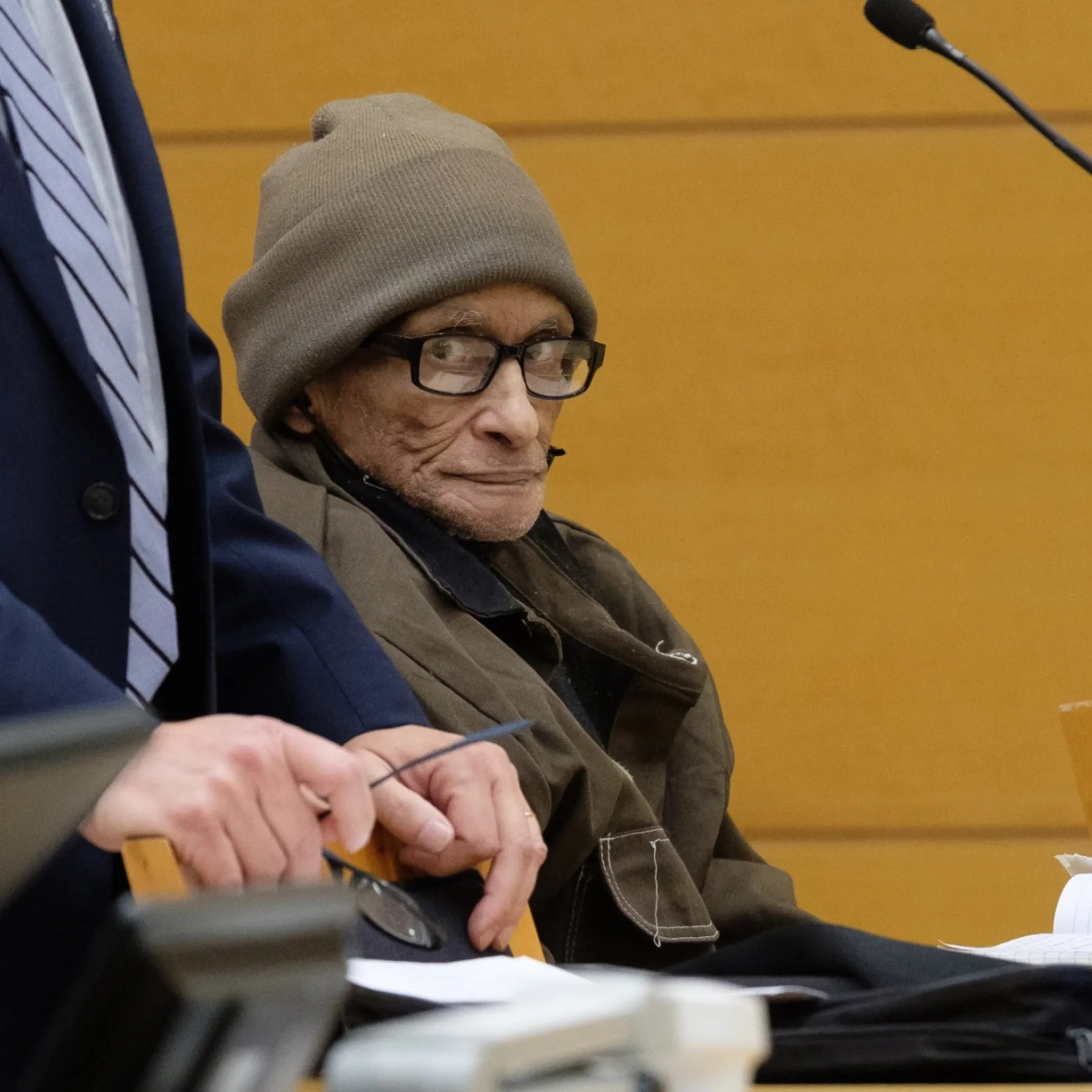
Harvey Marcelin was indicted for the murder of Susan Leyden. During the trial, which began in April 2026, prosecutors presented the extensive surveillance footage as key evidence. Marcelin, who requested to be referred to as a man again during the trial, did not have his prior murder convictions revealed to the jury. The defense attempted to blame another woman who was present in the apartment at times, but the jury was not convinced.
After just one hour of deliberation in May 2026, the jury found Harvey Marcelin guilty of first-degree murder, tampering with physical evidence, and concealment of a human corpse. On June 10, 2026, at the age of 88, he was sentenced to life in prison without the possibility of parole. The sentencing judge remarked that he had no doubt Marcelin would kill again if ever released. Brooklyn District Attorney Eric Gonzalez called the crime "gruesome and barbaric" and stated the sentence ensures Marcelin "will never be able to hurt anyone else again."
The Victims
- Jacqueline Bonds, 21 — Killed on April 18, 1963, in her Manhattan apartment. She was Harvey Marcelin's girlfriend at the time and was shot to death.
- Anna Laura Serrera Miranda, 29 — Murdered on October 29, 1985. She was living with Marcelin when he stabbed her to death during an argument.
- Susan Leyden, 68 — A former business owner and mother, she was killed on February 27, 2022. Described as funny, vivacious, and generous, she had faced struggles with mental health in the years before her death.
Aftermath and Legacy
The case of Harvey Marcelin serves as a chilling case study in the failures of the justice and parole systems. His ability to commit murder on three separate occasions, with decades and two parole releases in between, has prompted widespread outrage and debate. Critics have questioned how a twice-convicted killer could be deemed safe for release, particularly given his own admission of having "problems with women." The final, brutal murder of Susan Leyden, dismembered by an octogenarian parolee, has left an indelible mark on the community and stands as a tragic testament to a cycle of violence that was allowed to repeat.