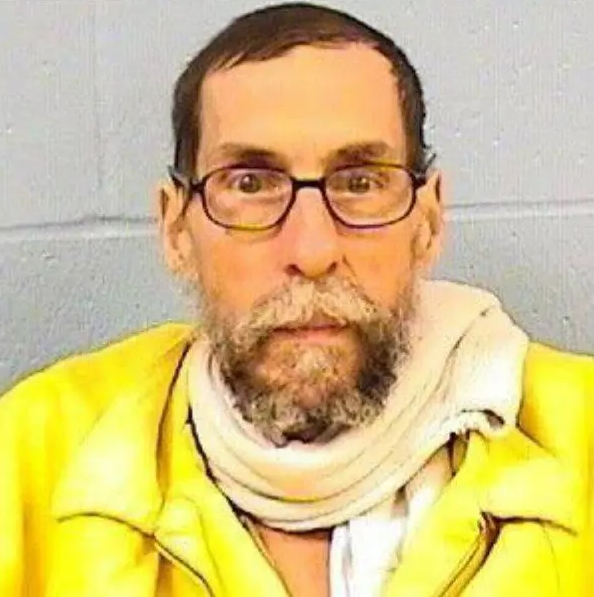
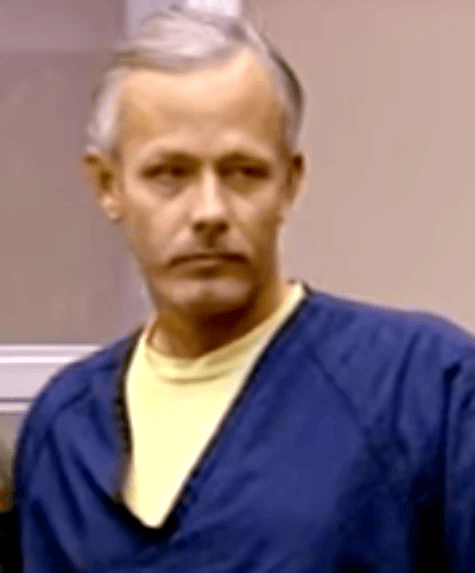
Joseph Ernest Atkins: Three Murders Across Sixteen Years
Joseph Ernest Atkins was an American murderer, often classified as a serial killer, whose three known victims were killed in North Charleston, South Carolina, in two widely separated episodes. His first known murder occurred on December 31, 1969, when he killed his 23-year-old half-brother, Charles Edward Atkins. Sixteen years later, while on parole for that murder, Atkins killed 13-year-old Karen Patterson and his 75-year-old adoptive father, Benjamin Frank Atkins, during a violent attack on October 27, 1985.
The circumstances surrounding Atkins's crimes were unusual for a serial murderer. His victims were not strangers selected according to a consistent pattern. Two were members of his own family, while the third was a teenage neighbor. Nevertheless, his three intentional killings, separated by a substantial period of time, have resulted in his inclusion on numerous lists of American serial killers.
Early Life and Military Service
Joseph Ernest Atkins was born in June 1947 and was raised in the Charleston, South Carolina, area by his adoptive parents, Benjamin and Gladys Atkins. Accounts presented during the lengthy legal proceedings that followed his later murders described a troubled childhood marked by family violence and serious conflict between Joseph and his older half-brother, Charles.
Atkins later served in the United States military during the Vietnam War. His attorneys would eventually emphasize his combat experiences as part of their attempts to explain his behavior and seek a punishment other than death. Evidence concerning his military service, alcoholism, psychological condition and troubled upbringing became particularly important during the sentencing phases of his later capital murder case.
The Murder of Charles Edward Atkins
Atkins's first confirmed murder occurred on December 31, 1969, only a short time after his return from military service. Joseph and his 23-year-old half-brother, Charles Edward Atkins, were visiting friends in the North Charleston area when an argument developed between them.
Rather than allowing the confrontation to end when he left the residence, Joseph Atkins traveled several miles to his father's home. There he obtained a shotgun. He then returned to the residence where Charles remained.
Atkins fatally shot his half-brother with the shotgun. During the legal proceedings that followed, Atkins maintained that he had been afraid of Charles and suggested that he believed his brother might have been reaching for a weapon. Prosecutors, however, emphasized that Atkins had left the original confrontation, traveled to another location to obtain a firearm and then deliberately returned.
Atkins was indicted for murder in 1970. An attempt was made to resolve the case through a manslaughter plea, but the proposed plea became problematic because Atkins continued to claim that he had acted in self-defense. The case proceeded to trial, and a jury convicted him of murder. The jury recommended mercy, preventing a death sentence, and Atkins received a life prison term.
Parole and Return to North Charleston
One of the most consequential developments in Atkins's case came from the man who would later become one of his victims. Benjamin Atkins appealed for leniency toward his adopted son and supported his eventual release from prison. Joseph Atkins was paroled from his murder sentence on March 14, 1980, after serving approximately ten years.
After his release, Atkins returned to North Charleston. He lived in one side of a duplex owned by Benjamin, while his father occupied the other side. Atkins worked various jobs and continued to struggle with heavy alcohol use.
Behind the duplex was another rental residence belonging to Benjamin Atkins. In 1985, Aaron Polite, Fatha Patterson and their 13-year-old daughter, Karen Patterson, moved into that residence. The family would soon become caught in the second and final deadly episode of Joseph Atkins's life.
The Hours Before the 1985 Murders
During the night of October 26 and the early morning of October 27, 1985, Atkins had been drinking heavily with a neighbor named Arthur Henderson. Evidence presented during subsequent court proceedings indicated that Atkins consumed a substantial quantity of vodka.
Henderson later provided particularly damaging testimony. According to his account, Atkins made a statement before returning home indicating that he intended to kill whatever he encountered. Prosecutors used the statement, together with Atkins's preparations before the shootings, to argue that the violence was deliberate rather than an impulsive act caused entirely by intoxication.
Before daybreak on Sunday, October 27, Atkins appeared outside the residences armed with a machete and a sawed-off shotgun. He also possessed a handgun. Investigators found evidence that telephone service to the Patterson-Polite residence had been disabled, an important circumstance because prosecutors argued it demonstrated planning and an effort to prevent the occupants from quickly summoning help.
The Murder of Karen Patterson
Aaron Polite was awakened by activity outside and saw Atkins moving nearby with the machete and shotgun. When the family attempted to use the telephone, they discovered that the line was dead. Fatha Patterson went toward Benjamin Atkins's residence to seek help while Aaron remained behind.
Atkins entered the family's home. Aaron Polite heard a gunshot and encountered Atkins near the bedroom of his 13-year-old daughter, Karen Patterson. Atkins had shot Karen in the head with the sawed-off shotgun.
Atkins then turned his attention toward Aaron Polite. When Atkins pointed the weapon in his direction, Polite escaped through a screen door and ran. Atkins pursued him and fired additional shots. Despite being chased and fired upon, Polite escaped without being struck.
Karen Patterson was later found critically wounded. She was transported for medical treatment but died from the gunshot injuries. Her death was officially attributed to the shooting that occurred during the early morning hours of October 27, 1985.
The Murder of Benjamin Frank Atkins
While the attack was unfolding, Fatha Patterson had reached Benjamin Atkins's portion of the duplex. The 75-year-old man who had previously advocated for Joseph's release from prison now found himself confronted by his adopted son.
As Patterson prepared to leave Benjamin's residence, she saw Joseph Atkins outside aiming the shotgun. She retreated, and Benjamin approached the doorway. Joseph fired, striking his adoptive father in the shoulder area.
Benjamin staggered back into the residence while bleeding severely. He lost consciousness and collapsed. Despite efforts to obtain assistance, he died within minutes from massive blood loss caused by the shotgun wound.
The killing was especially striking in light of Benjamin Atkins's earlier role in Joseph's life. Benjamin had supported his release after the murder of Charles. Approximately five years after Joseph was paroled, Benjamin became his third and final known homicide victim.
Continued Gunfire and Escape
The violence did not immediately end with Benjamin's shooting. Fatha Patterson managed to close the door and reach a working telephone inside Benjamin's residence. While she attempted to contact police, Atkins fired additional shots through portions of the building.
Atkins also fired outside before leaving the area on a motorcycle. An off-duty law-enforcement officer in the neighborhood observed evidence of the gunfire and saw Atkins fleeing. A pursuit followed for approximately four miles.
The chase ended when Atkins crashed the motorcycle and was taken into custody. Authorities found him carrying a .38-caliber handgun and possessing additional shotgun ammunition. The rapid arrest left little uncertainty concerning the identity of the gunman, while surviving eyewitnesses were able to provide investigators with detailed descriptions of what had occurred.
Victims
- Charles Edward Atkins, 23 — Killed December 31, 1969, in North Charleston, South Carolina. Charles was Joseph Atkins's half-brother. Following an argument at a friend's residence, Joseph left, obtained a shotgun from his father's home, returned and fatally shot Charles. Atkins was convicted of murder and sentenced to life imprisonment.
- Karen Patterson, 13 — Killed October 27, 1985, in North Charleston, Charleston County, South Carolina. Karen was the daughter of Atkins's neighbors, Aaron Polite and Fatha Patterson. Atkins entered the family's residence during the early morning hours and shot Karen in the head with a sawed-off shotgun. She was transported for medical treatment but died from her injuries.
- Benjamin Frank Atkins, 75 — Killed October 27, 1985, in North Charleston, Charleston County, South Carolina. Benjamin was Joseph Atkins's adoptive father and had previously supported his release on parole. Atkins shot Benjamin in the shoulder area with a shotgun. Benjamin collapsed inside his home and died from severe blood loss.
Survivors of the 1985 Attack
Although three people are recognized as Atkins's murder victims, the October 1985 episode could have produced additional deaths. Aaron Polite was directly pursued and fired upon after discovering Atkins near Karen's bedroom. He managed to escape without being hit.
Fatha Patterson was also confronted by Atkins while attempting to obtain help. She survived and was able to contact authorities from Benjamin Atkins's residence even as additional shots were fired. The attacks on the surviving adults later formed part of the criminal charges against Atkins.
The 1986 Murder Trial
In January 1986, Atkins was indicted in connection with the October shootings. The charges included two counts of murder, two counts of assault with intent to kill, first-degree burglary and two weapons offenses.
His earlier conviction for murdering Charles Atkins became critically important. Under South Carolina law at the time, the prior murder conviction supplied an aggravating circumstance that made Atkins eligible for capital punishment in the murders of Karen Patterson and Benjamin Atkins.
Atkins went to trial in June 1986. Prosecutors presented eyewitness testimony concerning the shootings as well as evidence describing his actions before and after the murders. The disabled telephone lines were especially significant to the prosecution because they could be interpreted as evidence that Atkins had taken purposeful steps before the attack.
The defense attempted to place the killings within the context of Atkins's alcoholism, intoxication, difficult childhood and traumatic military experiences. His Vietnam service and psychological condition would remain recurring issues throughout later appeals and clemency proceedings.
The jury found Atkins guilty of the charges against him. He was sentenced to death for the murders of Karen Patterson and Benjamin Atkins.
Appeals and Resentencing
The case then entered more than a decade of state and federal appellate litigation. In 1987, the South Carolina Supreme Court upheld Atkins's murder convictions but reversed the original death sentences because of issues arising during the sentencing phase. The case was returned for a new sentencing proceeding.
Atkins was again sentenced to death. In 1990, the South Carolina Supreme Court upheld the new sentence. Among the issues considered during his appeals was whether jurors had been properly informed about the possibility that Atkins might eventually become eligible for parole if they selected life imprisonment rather than death.
His attorneys also challenged aspects of his original 1970 murder conviction because that conviction was the factor that transformed the later murders into death-penalty cases. Courts ultimately rejected efforts to overturn the conviction or death sentences.
Arguments Concerning Mental Health and Vietnam
During later attempts to prevent his execution, Atkins's attorneys and supporters argued that his history should have received greater consideration. They described his traumatic experiences in Vietnam, long-term alcoholism, childhood violence and possible psychological problems.
One argument raised on his behalf was that his conduct during the October 1985 murders could have been connected to psychological trauma associated with his military experiences. He reportedly wore military-style clothing during the episode and carried multiple weapons. His defense maintained that evidence concerning his mental state had not been adequately developed during the original capital proceedings.
Prosecutors and reviewing courts nevertheless concluded that the evidence was sufficient to sustain his convictions and sentences. His purposeful conduct, including obtaining weapons, disabling telephone service, pursuing victims and fleeing afterward, was repeatedly cited in proceedings examining whether intoxication or psychological impairment diminished his responsibility.
Execution
After his state and federal appeals were exhausted, Atkins sought clemency in an effort to have his death sentence commuted. Those efforts were unsuccessful. The United States Supreme Court denied a final request for a stay of execution on January 22, 1999.
Joseph Ernest Atkins was executed by lethal injection in South Carolina on January 22, 1999. He was 51 years old. His execution came more than twenty-nine years after the murder of Charles Atkins and more than thirteen years after the murders of Karen Patterson and Benjamin Atkins.
Legacy of the Case
The Atkins case remains notable because his second round of killings occurred after he had already been convicted of murder and released from a life sentence. Benjamin Atkins had personally advocated for his adopted son's release, only to become one of the people Joseph killed after returning to the community.
The case also became part of the broader legal debate surrounding capital punishment, mental-health evidence and the presentation of mitigating evidence involving military veterans. Atkins's attorneys continued to argue until shortly before his execution that his combat experiences, psychological condition and troubled personal history had not received adequate consideration.
Whatever disputes surrounded his punishment, the identities and dates of his three confirmed victims are established by the criminal and court records. Charles Edward Atkins was killed on December 31, 1969. Karen Patterson and Benjamin Frank Atkins were killed on October 27, 1985. Together, their deaths define a homicide history spanning nearly sixteen years and culminating in one of South Carolina's extensively litigated death-penalty cases.