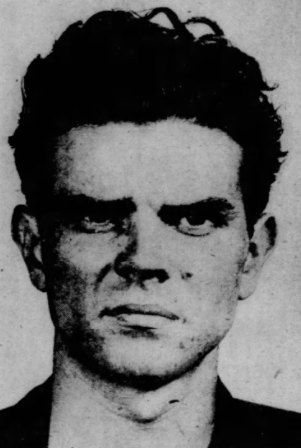
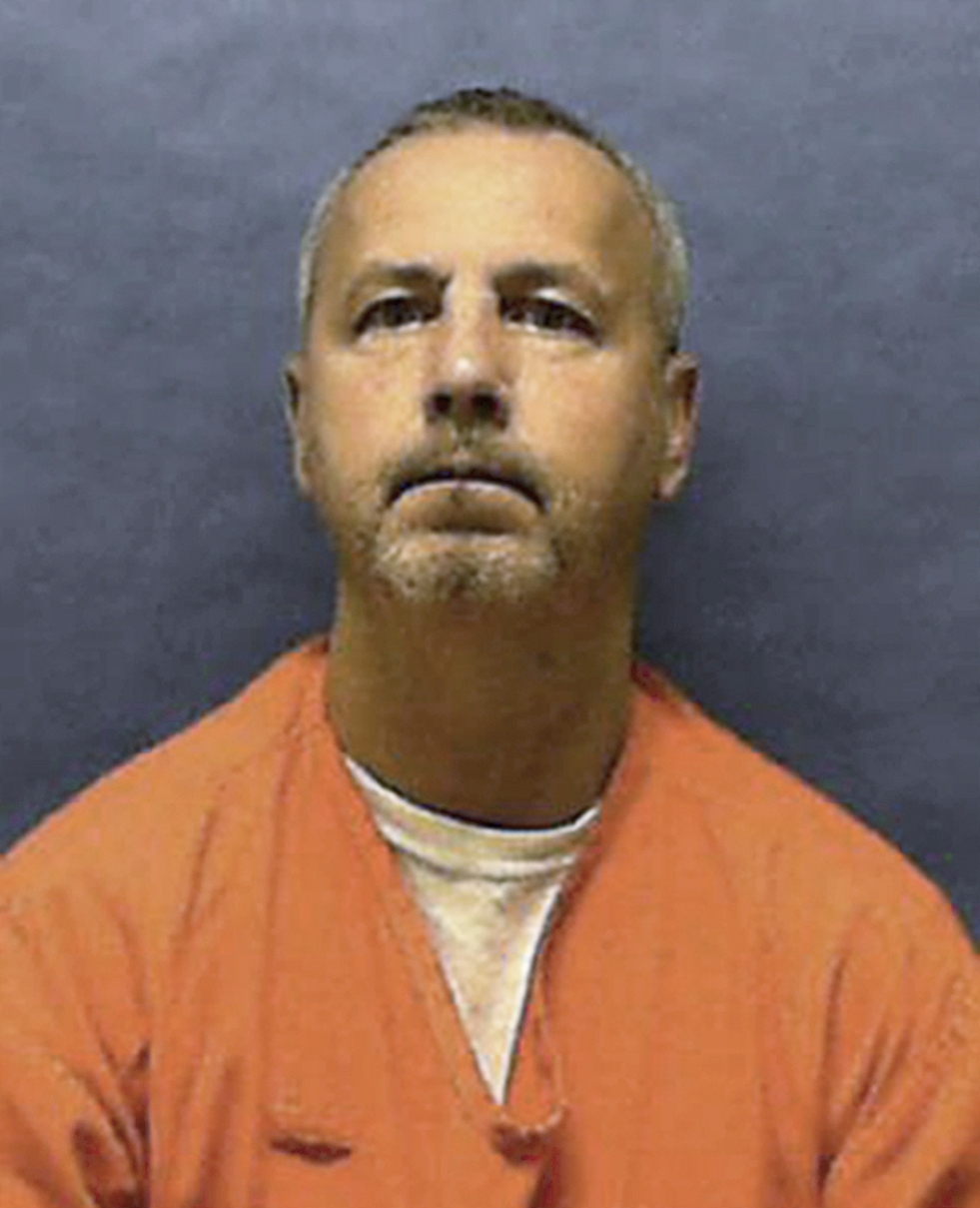
John Francis Roche: The “Devil of Yorkville”
Overview
John Francis “Jack” Roche was an American serial killer, rapist and burglar who terrorized the Yorkville section of Manhattan during the early 1950s. Born on September 6, 1927, in Port Chester, New York, Roche became known in the press as the “Devil of Yorkville” after investigators connected him to a succession of violent attacks committed in apartment buildings and on neighborhood streets. His confirmed murder victims ranged from a 14-year-old schoolgirl to an 85-year-old woman.
Roche confessed to six killings after his arrest in June 1954. Authorities concluded that four of those confessions were supported by the evidence, while his claims concerning two additional Queens murders remained disputed. One of those disputed confessions was later withdrawn by Roche himself. He was ultimately prosecuted for the murder of Dorothy Westwater, convicted of first-degree murder and sentenced to death.
Early Life and Criminal History
Roche was born to Irish immigrant parents and spent much of his childhood in New York City. Accounts of his upbringing described a deeply unstable household marked by poverty, alcoholism and domestic violence. He began committing thefts and other offenses while still a child. By approximately 13 years old, he had been sent to a reformatory, beginning a pattern of confinement and criminal activity that continued into adulthood.
As Roche grew older, his crimes became more serious. He accumulated a record involving burglary and armed robbery, serving a prison sentence before returning to New York City in the early 1950s. He supported himself intermittently through manual work, including employment as a plumber’s helper, while continuing to break into residences and steal property. His burglaries placed him inside the apartment buildings and hallways where several of his later attacks occurred.
Confirmed Victims
- Rosa Chronik — November 15, 1953 — Yorkville, Manhattan, New York: Chronik, an 85-year-old woman, was killed inside her apartment after interrupting Roche during a burglary. Roche stabbed her and fled from the building. Her murder was the earliest killing that authorities conclusively attributed to him.
- Marion Brown — April 8, 1954 — Yorkville, Manhattan, New York: Brown was a 17-year-old waitress who lived and worked in a Yorkville apartment building. Roche followed her into a secluded hallway, sexually assaulted her and killed her. The attack intensified fear throughout the neighborhood because it occurred inside a residential building where residents normally expected to be safe.
- Alexander Jablonka — April 16, 1954 — New York City, New York: Jablonka was a 43-year-old taxicab driver. Roche entered his cab as a passenger and stabbed him to death, reportedly using the same knife associated with the murder of Marion Brown. Jablonka’s killing occurred only eight days after Brown’s death and strengthened suspicions that a single offender was responsible for multiple violent crimes in the area.
- Dorothy Westwater — June 6, 1954 — Yorkville, Manhattan, New York: Westwater was a 14-year-old student who was attacked on the morning of June 2, 1954, as she left her East Side apartment for school. Roche dragged her beneath a staircase, stabbed and sexually assaulted her, and struck her with a lead pipe. She was discovered alive and taken to Bellevue Hospital, but she died from her injuries late on June 6, 1954. Her murder became the central charge in Roche’s prosecution.
The Murder of Rosa Chronik
Roche’s first confirmed murder occurred during a burglary on November 15, 1953. He entered the Yorkville apartment of Rosa Chronik, apparently intending to steal valuables. The elderly woman encountered him while he was searching the residence. Rather than abandon the burglary, Roche attacked Chronik with a knife and left her fatally wounded.
At the time, investigators had little evidence identifying the killer. The crime initially appeared to be a burglary that had escalated into murder. Roche was not publicly connected to Chronik’s death until after his arrest the following year, when he admitted responsibility and provided information that authorities considered consistent with the known circumstances.
The Attack on Marion Brown
On April 8, 1954, Roche encountered 17-year-old Marion Brown in the Yorkville building where she lived and worked as a waitress. He followed her through the building and attacked her in a relatively isolated section of a hallway. Brown attempted to call for assistance, but Roche overpowered her, sexually assaulted her and killed her before escaping.
The murder frightened local residents because Roche had selected a young woman in familiar surroundings and attacked her within an occupied building. In a disturbing contrast, Roche later escorted his own frightened fiancée home after she heard about Brown’s murder. She did not know that the man accompanying her was responsible for the crime that had alarmed the neighborhood.
The Killing of Alexander Jablonka
Eight days after Brown was killed, Roche hailed a taxicab driven by Alexander Jablonka. During the ride, Roche attacked the driver with a knife and fled. The killing demonstrated that his choice of victims was not limited by age or gender. Jablonka appears to have been selected because his occupation placed him alone with an unknown passenger.
Members of the public and the press speculated that Brown and Jablonka had been killed by the same person. Police initially resisted publicly confirming a connection, partly because the evidence was incomplete and officials feared increasing the panic already spreading through Yorkville. Roche’s later confession and statements about the weapon supported the conclusion that he had committed both murders.
The Murder of Dorothy Westwater
On the morning of June 2, 1954, Dorothy Westwater left her family’s apartment to attend school. Roche confronted her inside the building and forced her beneath a staircase. He stabbed her repeatedly, sexually assaulted her and struck her with a lead pipe. Westwater was eventually discovered alive but critically injured.
The teenager was transported to Bellevue Hospital, where doctors attempted to save her. She remained hospitalized for several days before dying late on Sunday, June 6, 1954. Her death produced widespread outrage. Schoolmates later lined the street during her funeral procession, while frightened parents and neighbors demanded that the killer be found.
Westwater’s murder occurred as anxiety in Yorkville was already increasing because of the earlier killings. Residents began taking additional precautions, and men reportedly accompanied girls and young women through neighborhood streets and apartment hallways. Newspapers adopted the name “Devil of Yorkville” for the unidentified attacker.
Arrest and Evidence
Roche’s capture began with a traffic stop rather than a planned homicide investigation. On June 5, 1954, patrolman Gustave Roniger observed Roche driving erratically and traveling on the wrong side of a road. Roche was unable to produce a valid driver’s license, and the automobile was determined to have been stolen.
A search of the vehicle produced evidence that drew the attention of detectives investigating the Westwater attack. Police recovered a knife and a lead pipe bearing what appeared to be blood. The pipe was especially significant because Westwater had been struck with a similar object. Roche was detained and subjected to extensive questioning.
During interrogation, Roche began confessing. He admitted the murders of Chronik, Brown, Jablonka and Westwater and described details that investigators believed established his knowledge of the crimes. He also claimed responsibility for two earlier Queens killings in which other men had already been convicted.
Disputed Confessions
- Josephine Brown — July 26, 1952 — Queens, New York: Brown, 23, was found strangled on a deserted street. Oliver L. Freeman had been convicted of first-degree manslaughter in connection with her death. Roche later claimed that he had killed Brown, but authorities questioned the reliability of his confession and never conclusively established that he was responsible.
- Edward Bates — August 22, 1953 — Queens, New York: Bates was a 22-year-old sailor who was beaten, stabbed and killed. Paul A. Pfeffer had been convicted of the murder before Roche confessed. Roche’s claim contributed to renewed legal proceedings involving Pfeffer, but shortly before his own execution, Roche admitted that his confession to killing Bates was false.
The disputed confessions created serious problems for prosecutors because men were already serving prison sentences for the two murders. Queens County District Attorney Vincent Quinn publicly questioned Roche’s reliability, concluding that four of the six confessions were credible but that the two Queens claims lacked sufficient factual support.
Roche’s false or questionable statements demonstrated that even a detailed confession could not be accepted without corroboration. His later admission that he had not killed Edward Bates further damaged the credibility of his broader claims. For this reason, Roche is generally described as having four confirmed victims, although some historical accounts list five or six possible victims.
Trial for Dorothy Westwater’s Murder
Prosecutors selected Dorothy Westwater’s murder as the basis for Roche’s capital trial. The evidence included his confession, the circumstances of his arrest and the weapons recovered from the stolen automobile. Roche did not seriously contest that he had attacked Westwater. His defense instead focused on his mental condition and argued that he was legally insane.
Defense attorney James Murray portrayed Roche as profoundly disturbed and incapable of normal judgment. Roche, however, openly stated that he preferred execution to spending the remainder of his life in prison or being confined in a psychiatric institution. He expressed regret after learning that Westwater had been only 14, claiming that he had mistakenly believed she was older. The statement did little to lessen the severity of the evidence against him.
On November 9, 1954, a jury convicted Roche of first-degree murder and declined to recommend mercy. Without such a recommendation, the death penalty was mandatory under the law then in effect. Roche was sent to Sing Sing Prison to await execution in the electric chair.
Execution
Roche was originally scheduled to die in August 1955, but the execution was postponed because authorities wanted his testimony in proceedings connected to the disputed Edward Bates confession. As the execution approached, Roche withdrew his claim that he had murdered Bates. He said that he had falsely confessed because he felt sympathy for Paul Pfeffer, the man convicted in that case.
On January 26, 1956, John Francis Roche was executed in the electric chair at Sing Sing Prison in Ossining, New York. He was 28 years old. He met with a prison chaplain before entering the death chamber and made no final public statement. He was pronounced dead shortly after 11:00 p.m.
Legacy of the Yorkville Murders
Roche’s crimes left Yorkville gripped by fear during the spring and early summer of 1954. His victims had little in common beyond their presence in places where he could isolate and overpower them. He killed during burglaries, inside residential hallways and in a taxicab, making his behavior difficult for residents to predict.
The case also became an early example of the complications caused by uncorroborated confessions. Roche’s admissions concerning Josephine Brown and Edward Bates called existing convictions into question, but investigators could not reliably connect him to those crimes. His eventual retraction in the Bates case reinforced the importance of comparing a confession with physical evidence and independently verified details.
John Francis Roche is remembered as the “Devil of Yorkville,” a violent offender whose confirmed killing period lasted less than seven months but claimed four lives. His chance arrest during a traffic stop ended the series before he could attack again. The murders of Rosa Chronik, Marion Brown, Alexander Jablonka and Dorothy Westwater remain the crimes conclusively associated with him.