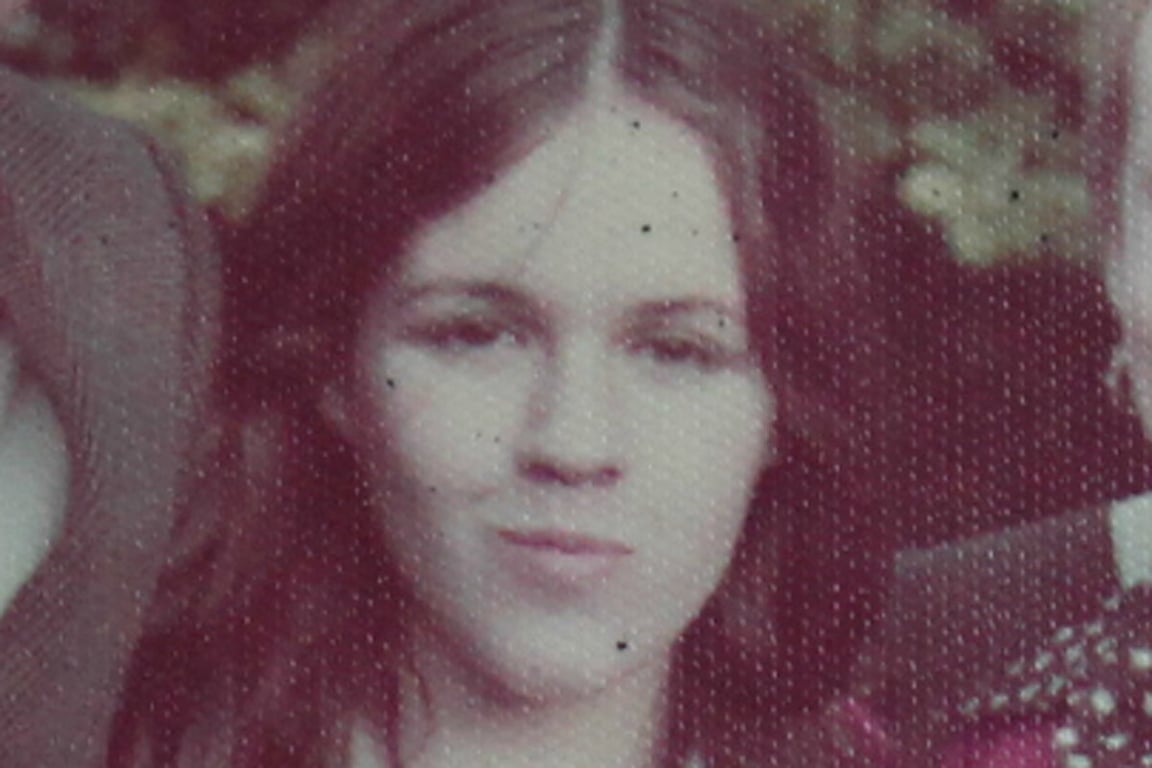
In the autumn of 1985, the life of Anna Laura Serrera Miranda, a 29-year-old woman, came to a brutal and tragic end in New York City. Her death was not a random act of violence but the second proven murder committed by Harvey Marcelin, a serial killer whose violent crimes against women would span nearly six decades. Anna's story is one of vulnerability and a life cut short by a predator who had already killed and would, inexplicably, be freed to kill again.
Earlier in 1985, Anna, who was
reportedly struggling with heroin addiction and working as a prostitute, met Marcelin. He had been released on lifetime parole in 1984 after serving 20 years for the 1963 murder of his then-girlfriend, Jacqueline Bonds. After his release, Marcelin returned to New York City, renting a room in the Cambridge Residence Hotel in Harlem. He and Anna entered into an arrangement where she became his lodger and roommate. This living situation would place her directly in the path of a man who had already demonstrated a capacity for lethal violence against women.
On October 29, 1985, an argument erupted between Anna and Marcelin in the hotel room. Marcelin, who later claimed to have ingested crack cocaine, stabbed Anna to death in a fit of rage. An autopsy would later reveal the horrifying extent of the attack: she had been stabbed 33 times. In a chilling foreshadowing of his future crimes, Marcelin then dismembered Anna's body, placed her remains into black plastic garbage bags, and scattered them in various locations around Central Park.
The discovery of Anna's remains triggered an investigation that quickly led to Marcelin. A crucial witness, his neighbor Roberto Romano, told police he had seen Marcelin carrying blood-soaked bags out of the hotel the day after the murder. Faced with the evidence, Marcelin was arrested and, during interrogations, admitted to killing Anna. He attempted to frame the murder as an act of self-defense, claiming they had argued because she had stopped paying rent and had stolen some of his belongings, including a flute and cufflinks.
Despite having been on parole for a previous murder, Marcelin was able to plead guilty to a lesser charge in Anna's death. In 1986, he was convicted of first-degree manslaughter. This conviction added only a 6-to-12-year sentence to the life term he was already supposed to be serving. His parole was revoked, and he was returned to prison. A psychiatric review at the time concluded he had a schizoid personality with psychopathic features but was not deemed criminally insane.
Over the next several decades, Harvey Marcelin repeatedly applied for parole, stating in a 1997 hearing that he had "problems with women." He was denied 15 times but was eventually granted release in 2019. Free once more, the aging killer murdered a third woman, 68-year-old Susan Leyden, in 2022, dismembering her body in a manner horrifically similar to how he had disposed of Anna's remains decades earlier.
In 2026, Marcelin was convicted of the first-degree murder of Susan Leyden and sentenced to life in prison without the possibility of parole, finally ensuring he would never harm another person. For Anna Laura Serrera Miranda, however, this final measure of justice came more than four decades too late. Her death remains a stark and devastating chapter in the long and bloody history of her killer, a man who was repeatedly allowed back into society despite his confessed hatred and violence toward women.