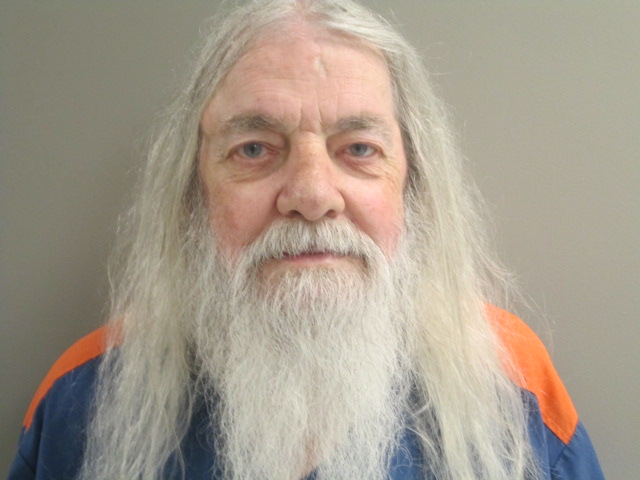
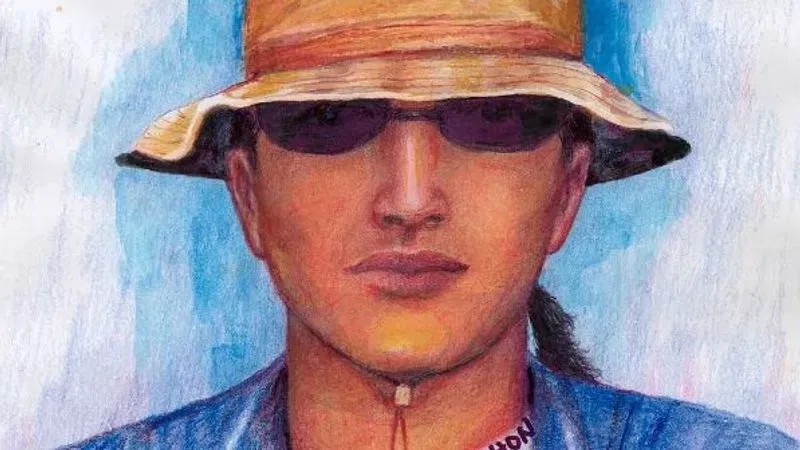
John Dwight Canaday: The First Serial Killer of Washington State
Overview
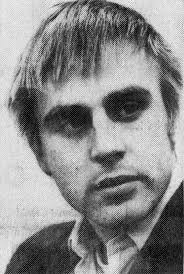
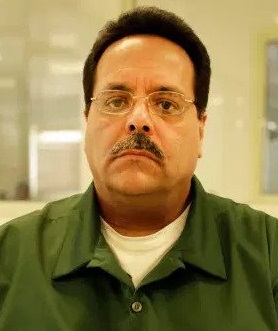
John Dwight Canaday was a serial killer who terrorized the city of Seattle in the winter of 1968-1969, committing a series of brutal rapes and murders that targeted young women. A Vietnam veteran and recently divorced father, Canaday was later dubbed "the first known serial killer in Washington" by prosecutors. He was initially convicted of two murders in 1969 and sentenced to death, a sentence later commuted to life in prison. For decades, his first murder remained a cold case until a breakthrough in DNA technology definitively linked him to the crime in 2004, leading to a third life sentence. Canaday’s crimes were marked by their predatory nature and extreme violence, leaving a lasting scar on the community and the families of his victims.
Early Life and Background
John Dwight Canaday was born in Washington on December 16, 1944. He graduated from Leavenworth High School and later served in the U.S. Navy during the Vietnam War, receiving an honorable discharge. After his military service, he settled in Seattle, working as a pipeman's helper for the city's water department.
In September 1964, at the age of 19, Canaday married 17-year-old Suzan Gray Higgins. The couple had two children together. However, the marriage was troubled, and Suzan was granted a divorce on grounds of cruelty on March 3, 1969, just as her ex-husband’s horrific crimes were coming to light. Canaday later blamed his violent outburst on his bitter divorce, telling detectives he had "a lot of anger at myself and immaturity."
The Murder of Sandra Bowman
On the evening of December 17, 1968, Thomas Bowman returned home from his job at the American Can Company to a scene of unimaginable horror. In the Ballard apartment he shared with his wife, he found 16-year-old Sandra Darlene Bowman dead. Sandra, who was pregnant and had been married for only five months, had been bound, raped, and stabbed at least 57 times.
She had felt ill that morning, so her husband was not surprised she had stayed in bed. The police initially investigated Thomas Bowman but quickly cleared him. The case went cold, leaving Sandra's family without answers for more than three decades. Canaday, who was working for the city water department at the time, later confessed that he had been randomly knocking on apartment doors looking for a victim and that Sandra had the misfortune of opening her door to him.
The Murders of Mary Bjornson and Lynne Tuski
The terror continued into the new year. On January 4, 1969, 21-year-old Mary Annabelle Bjornson, a University of Washington student, disappeared from her apartment in the University District. Her boyfriend arrived to find dinner still cooking on the stove, but Mary was gone. Her coat was missing, but her purse and identification were left behind.
Canaday later confessed to knocking on her door, claiming to have car trouble. Once outside, he threatened her with a knife, tied her hands, and forced her into his car. He drove her to Seward Park, where he raped and strangled her to death.
Three weeks later, on January 24, 1969, 20-year-old Lynne Carol Tuski, also a student at the University of Washington, vanished. She was last seen walking to her car outside a Sears department store in North Seattle. Canaday admitted to abducting, raping, and murdering her on the same day she went missing.
The Victims
- Sandra Darlene Bowman, 16 — December 17, 1968, in Seattle. A pregnant newlywed who had been married for just five months, Sandra was looking forward to starting her family when her life was brutally cut short in a random, savage attack in her own home.
- Mary Annabelle Bjornson, 21 — January 4, 1969, in Seattle. A student at the University of Washington, Mary was preparing dinner for her boyfriend in her apartment when she was lured outside and abducted.
- Lynne Carol Tuski, 20 — January 24, 1969, in Seattle. A junior at the University of Washington, Lynne was abducted while walking to her car after shopping, her life stolen just weeks after Mary Bjornson's murder.
Investigation and Capture
John Canaday’s downfall began not with the murder investigation, but with another violent crime. On February 22, 1969, a young naval officer, John Thomas, reported his sister Eunice missing. Thomas’s search led him to Canaday's home, where he rescued his sister just as she fled the house with rope burns on her neck and bruises on her face. She had been held captive and assaulted by Canaday for nearly three days.
Police arrested Canaday for kidnapping. While in custody for this and another rape, and with the disappearances of Bjornson and Tuski still a mystery, Canaday made a startling offer. On March 19, 1969, after consulting with his lawyers, he told investigators he could help them. He then led them to a remote, snow-covered area off a forest road near Index, Washington, where he had hidden the bodies of both Mary Bjornson and Lynne Tuski. He confessed in detail to both murders.
Trial and Sentence
In July 1969, John Dwight Canaday went on trial for the murders and rapes of Mary Bjornson and Lynne Tuski. He pleaded not guilty by reason of insanity. The jury, however, was unconvinced. After deliberating for only two hours, they found him guilty on all counts. The jury imposed the death penalty for both murders, and Canaday was scheduled to be hanged on May 15, 1972.
His life was spared, however, by a landmark legal decision. In 1972, the U.S. Supreme Court's ruling in *Furman v. Georgia* effectively struck down existing death penalty laws across the country, including in Washington. Canaday was one of eight inmates on Washington's death row at the time. His sentence was commuted to two consecutive life terms in prison.
Cold Case Breakthrough and Final Conviction
For 36 years, the brutal murder of Sandra Bowman remained one of Seattle's most haunting cold cases. The breakthrough finally came in 2002 when the Washington State Crime Lab, using newly available technology, decided to re-examine evidence from the 1968 crime scene. A forensic scientist, Amy Jagmin, was able to create a DNA profile from semen found on Sandra's body.
The profile was run through the national database of convicted felons and produced a direct match: John Dwight Canaday. In June 2004, Seattle police detectives confronted Canaday in prison. When they told him his DNA had been found at the scene, he sighed, held up his hands, and said, "Yes, I killed her."
He pleaded guilty to the first-degree murder of Sandra Bowman. In court, Sandra's husband, Thomas, spoke of the decades of pain he had endured, stating, "I was the one who found her and I'll never forget what I saw." Canaday was sentenced to a third consecutive life sentence, ensuring he would never leave prison. The conviction marked the oldest cold case ever solved in Washington state history at the time.
Aftermath and Legacy
John Dwight Canaday died of natural causes in his cell at the Clallam Bay Corrections Center on December 26, 2012. He was 68 years old. His string of violent crimes in the late 1960s marked a loss of innocence for the Seattle area and established him as a grim figure in the state's criminal history. The eventual solving of Sandra Bowman's murder through DNA technology stands as a testament to the persistence of law enforcement and the power of forensic science to bring a measure of justice, even decades after a crime is committed.