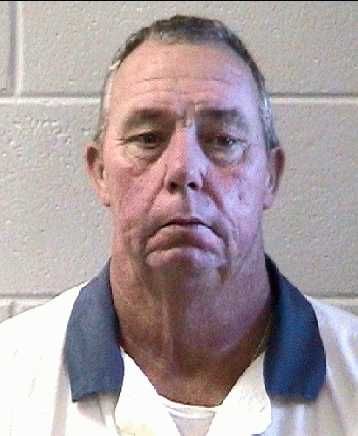
Thomas Andrew Williamson
Overview
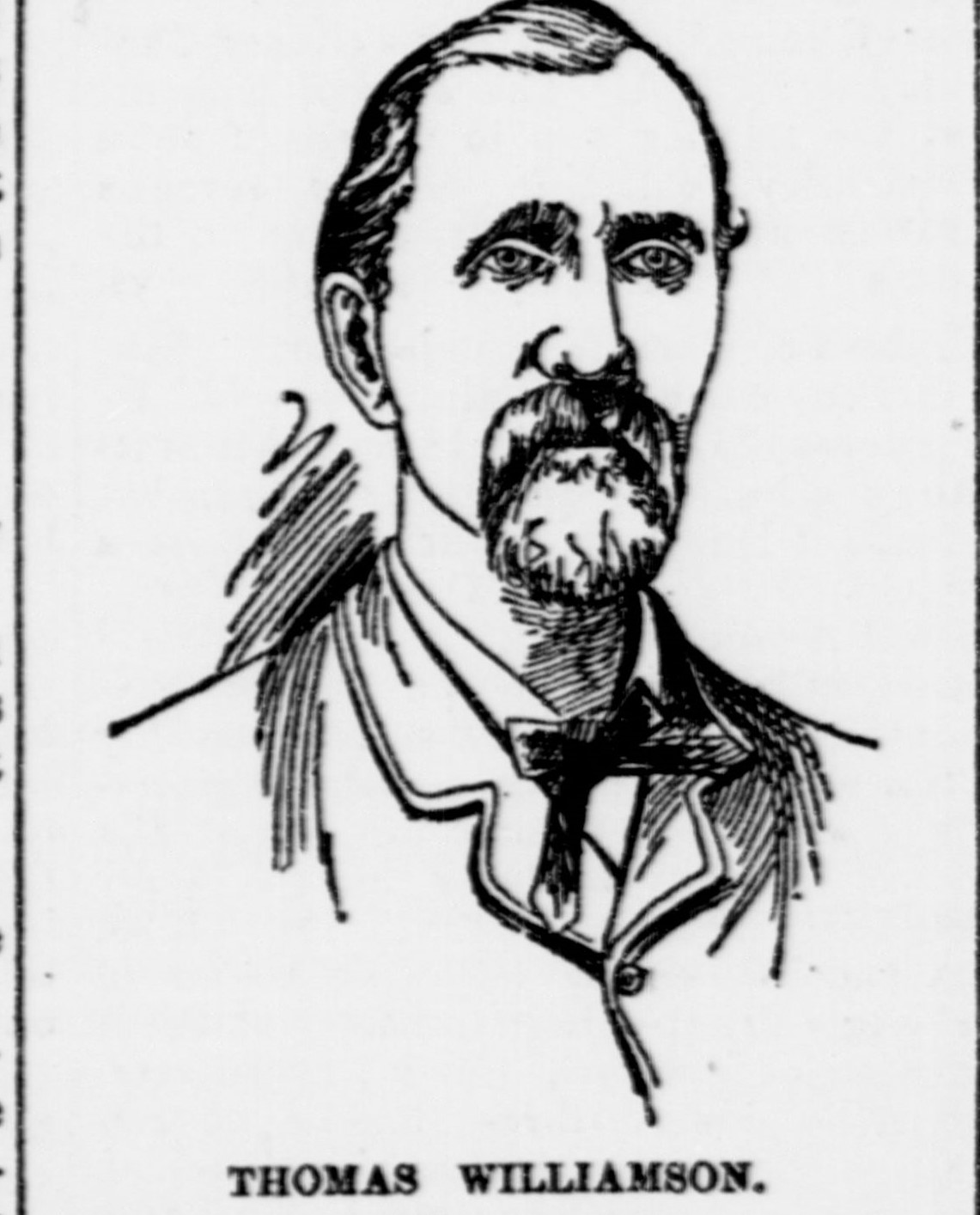
Thomas Andrew Williamson was a 19th-century American serial killer whose known crimes stretched from Illinois to Missouri between 1868 and 1890. He was born on April 23, 1831, in Mackinaw Township, Illinois, and later became known by the nickname “Uncle Tom.” Williamson’s criminal history began long before his confirmed murders. Accounts of his early life describe theft, disorderly behavior, and repeated trouble with the law. He served in the Union Army during the Civil War, but after returning to civilian life, he continued drifting through Illinois, Missouri, and nearby areas while supporting himself through odd jobs and petty crime.
Williamson’s confirmed murder record includes four victims: August Koch in Illinois, his wife Susan Kerk Williamson in Missouri, and Jefferson “Jeff” Moore and Charles Moore near Sedalia, Missouri. His crimes were separated by many years, but they followed a grim pattern of deception, concealment, and the use of isolated rural locations to hide bodies. He was sentenced to death twice: first in Illinois for the murder of August Koch, though that sentence was commuted, and later in Missouri for the Moore murders. He was executed by hanging in Sedalia, Missouri, on October 31, 1891.
Confirmed Victims
- August Koch — killed in 1868 in Delavan, Illinois. Koch was described as an elderly German man. Williamson, his brother-in-law Shivler, and a friend named Harket went to Koch’s home for a card game. After drinking heavily, an argument broke out when Koch accused the men of cheating. Koch was killed, and his body was buried beneath the house. The exact calendar date of death is not consistently preserved in available accounts, but the verified year of death is 1868.
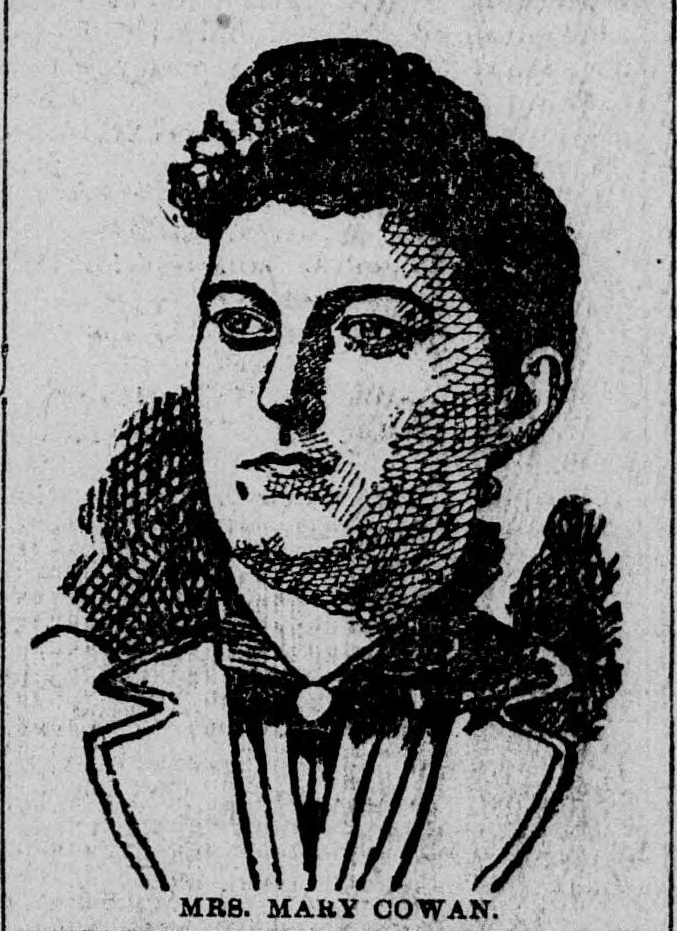
- Susan Kerk Williamson — believed killed in September or October 1889 near Sedalia, Missouri. Susan was Williamson’s wife. By the fall of 1889, the couple had been living in a log cabin several miles outside Sedalia. After Susan disappeared, Williamson claimed she had gone to visit relatives in Illinois and later said she had died there of renal colic. Her remains were discovered on May 28, 1890, buried near the cabin after neighbors became suspicious. The exact date of death is not firmly documented, but the verified death period is fall 1889.
- Charles Moore — killed in early May 1890 near Sedalia, Pettis County, Missouri. Charles was the 29-year-old son of Jefferson “Jeff” Moore. He disappeared before his father’s body was found. Searchers later discovered Charles buried in a field on or near the Moore property. His skull had been crushed, reportedly with an axe or similar blunt instrument. The exact calendar date of death is not consistently documented, but the verified death period is early May 1890.
- Jefferson “Jeff” Moore — killed in May 1890 near Sedalia, Pettis County, Missouri. Jeff Moore was about 59 years old and operated the Moore farm with his son Charles. After he failed to appear as expected to pay for rails he had purchased, neighbors grew suspicious. A search of the Moore farm led to the discovery of Jeff’s body buried in the cellar. His skull had been crushed. The exact calendar date of death is not consistently documented, but the verified death period is May 1890.
Early Life and Criminal Pattern
Williamson’s life was marked by instability, theft, and violence long before the murders for which he became infamous. He was raised in a farming family in Illinois and was reportedly involved in stealing as a child. At about 13, he was accused of attempting to rob a store in Pekin, Illinois, though he was later released after trial. As a young adult, he suffered an illness that left him partially paralyzed on one side, but he continued to work, drift, and commit minor crimes.
He later enlisted in the Union Army, serving in Illinois regiments during the Civil War. After the war, he returned to Illinois, but his criminal behavior did not stop. The first confirmed murder connected to him occurred in 1868, when he and two associates killed August Koch in Delavan. That case showed several elements that would later reappear in the Missouri murders: a victim who knew or trusted him, a sudden escalation during a dispute, and an attempt to hide the body on the property where the killing occurred.
The Murder of August Koch
In 1868, Williamson, his brother-in-law Shivler, and a friend named Harket went to the home of August Koch in Delavan, Illinois. Koch was described in historical accounts as an elderly German man. The visit was presented as a social call involving cards and drinking, but the gathering turned violent after Koch accused the men of cheating. During the altercation, Koch was killed.
Rather than report the death or flee immediately, the killers concealed Koch’s body beneath the house. Shivler and Harket were captured, and Williamson briefly evaded authorities before being arrested in Springfield, Illinois. All three were convicted of murder and sentenced to death. Williamson’s sentence, however, was commuted by Illinois Governor Richard J. Oglesby to a prison term. He served about 11 years and was released on April 1, 1879. The commutation allowed him to return to society, where he eventually committed more murders.
Move to Missouri and the Disappearance of Susan Kerk Williamson
After his release from prison, Williamson moved through Illinois, Missouri, and Kansas, taking odd jobs and continuing a transient lifestyle. He married Susan Kerk in Centralia, Missouri. Susan was older than Williamson, and the couple lived poorly, sometimes traveling and selling small goods. By the fall of 1889, they were living in a log cabin several miles outside Sedalia, Missouri.
Susan’s disappearance drew attention because Williamson’s explanations changed. At first, he said she had gone to visit relatives in Illinois. Later, he claimed she had died there of renal colic and that he was too poor to bring her body back to Missouri. Neighbors remained uneasy, especially after Williamson warned the new occupant of the cabin, Dan Clossier, not to dig in a particular spot, claiming he had planted parsnips there.
After the Moore murders brought renewed suspicion onto Williamson, neighbors searched the area near the cabin. On May 28, 1890, Susan’s preserved remains were found buried in the place Williamson had tried to keep undisturbed. Her body was described as curled in a fetal position. A coroner’s inquiry concluded that her death was suspicious and connected to Williamson. Because her body was found months after she disappeared, the exact day of her death could not be firmly established, but the likely death period was September or October 1889.
The Moore Farm Murders
By 1890, Williamson had found work as a farmhand on the Moore farm near Sedalia, Missouri. The farm was operated by Jefferson “Jeff” Moore and his adult son Charles Moore. Charles disappeared first, in early May 1890, but his absence did not immediately trigger a major investigation. Shortly afterward, Jeff Moore also vanished after failing to meet an expected obligation involving payment for rails he had purchased from a neighbor.
Neighbors became suspicious when Williamson gave evasive answers about Jeff’s whereabouts. He was also seen hauling dirt in a way that seemed unusual. A search party began examining the Moore property. Around the same time, Williamson attempted suicide in Sicher’s Park by taking strychnine. He survived after being taken to the Salvation Army barracks and treated.
Searchers then discovered Jeff Moore’s body buried in the cellar of the farmhouse. Later the same day, Charles Moore’s body was found buried in a field on or near the property. Both victims had suffered crushed skulls, and reports described the wounds as consistent with an axe attack. The discovery of two bodies on the farm quickly focused suspicion on Williamson. He was arrested and held in the county jail, partly to protect him from possible mob violence.
Confession, Trial, and Conviction
While awaiting trial, Williamson gave shifting explanations. At one point, he reportedly confessed to killing the Moores but claimed he had been paid to do it. This accusation briefly drew suspicion toward members of the Moore family, including Jeff Moore’s ex-wife and son William, but they were released because there was not enough evidence against them. Williamson later tried to reduce his responsibility by claiming he had only helped bury the bodies.
Evidence against him remained strong. Witnesses placed him near the victims, the bodies were found on property where he worked, and his conduct after the disappearances raised suspicion. During proceedings, attention was also drawn to a hat associated with Charles Moore that Williamson was said to have been wearing. The hat reportedly had a dent that corresponded with Charles’s head injury.
Williamson was indicted for the murders of Jeff and Charles Moore on November 30, 1890. After trial, he was convicted of first-degree murder and sentenced to death. Appeals delayed the execution, but the conviction was ultimately upheld. Williamson showed little outward emotion as his execution approached.
Execution
Thomas Andrew Williamson was executed by hanging in Sedalia, Missouri, on October 31, 1891. Before his death, he admitted responsibility for his crimes. His reported final words were, “I should have been hung thirty years ago.” After the hanging, no family member claimed his body, and he was buried in a potter’s field.
Legacy of the Case
Williamson’s case is a grim example of a 19th-century serial murder pattern that crossed state lines and unfolded across decades. His first known murder led to a death sentence, but the commutation of that sentence allowed him to regain freedom after 11 years in prison. Once free, he returned to a life of drifting, deception, and violence. His later murders in Missouri showed how easily he gained access to vulnerable people through domestic life, labor arrangements, and rural isolation.
The known victims were ordinary people: an elderly man killed after a card-game dispute, a wife whose disappearance was hidden by false stories, and a father and son murdered on their own farm. Williamson’s crimes were not elaborate in method, but they were calculated in concealment. He buried bodies under houses, in fields, and near cabins, relying on isolation and delay to avoid detection. His eventual arrest came only after neighbors questioned disappearances, searched suspicious locations, and connected the hidden bodies to the man who had been close to each victim.