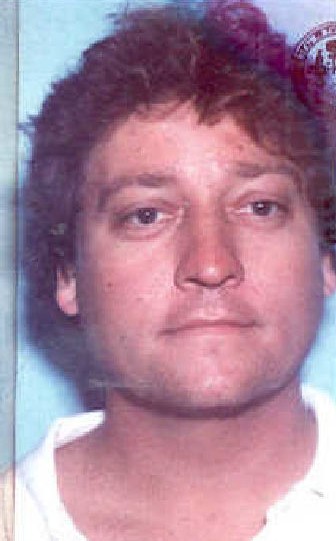
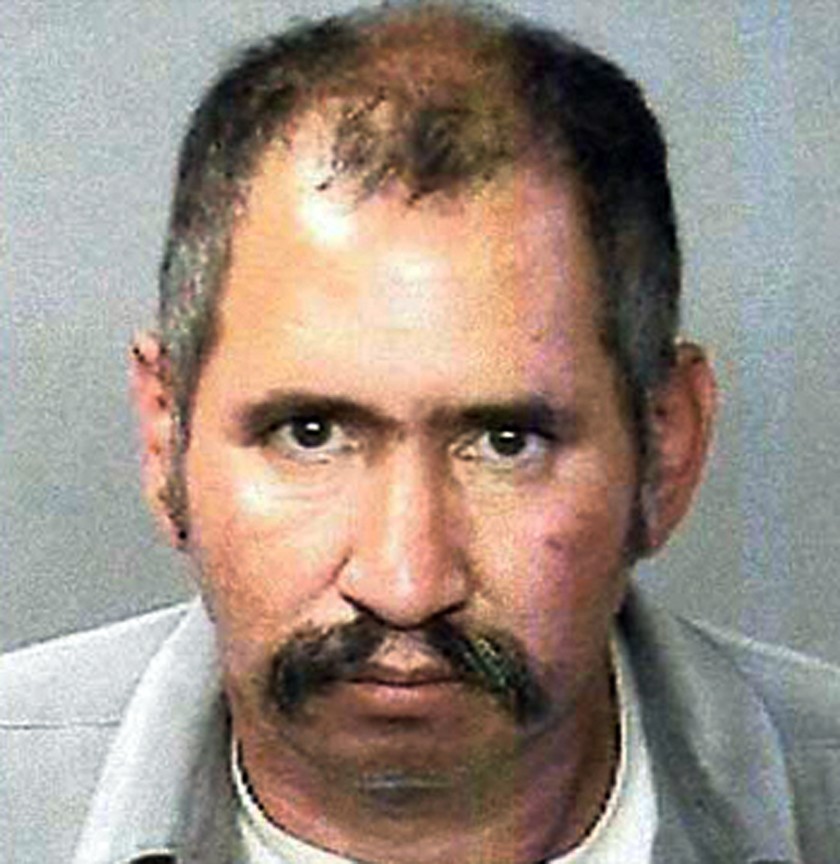
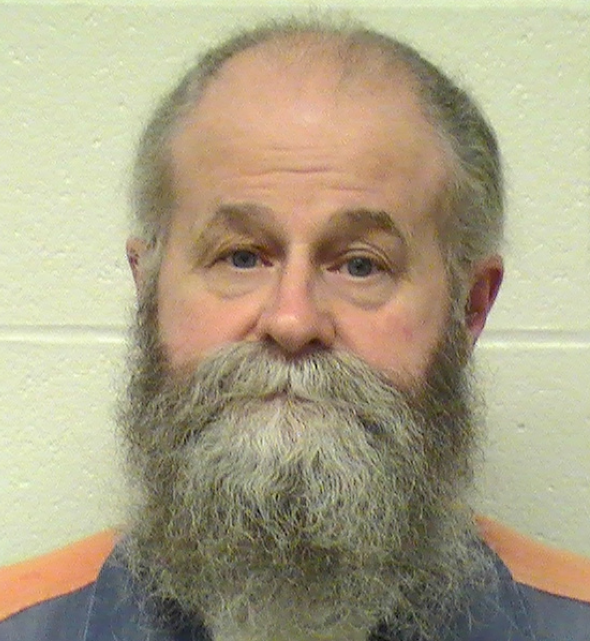
Joseph Robert Kondro: The Longview Serial Killer
Trusted Friend and Child Killer
Joseph Robert Kondro was an American child murderer and suspected serial killer whose crimes devastated families in and around Longview, Washington. Born on May 19, 1959, Kondro was not a stranger lurking at the edges of his victims’ lives. He was a trusted family friend who had known the parents of the children he targeted, visited their homes and gained access to private information. Two young girls, eight-year-old Rima Danette Traxler and twelve-year-old Kara Patricia Rudd, were proven to have been murdered by Kondro. He was also investigated in connection with the still-unsolved killing of eight-year-old Chila Silvernails.
Kondro’s familiarity with his victims made him especially dangerous. Rima’s family knew him well, and Kara and her sister reportedly called him “Uncle Joe.” Rather than attacking unknown children, Kondro exploited the confidence that families had placed in him. His crimes demonstrated how a predator could use friendship, routine and personal knowledge to isolate children who had been taught to avoid strangers but had little reason to fear someone accepted by their parents.
The Disappearance of Rima Traxler
On May 15, 1985, eight-year-old Rima Danette Traxler left St. Helens Elementary School and began walking toward her home in Longview. A neighbor saw Rima approximately two blocks from her house and spoke with her as she proudly displayed an art project she had completed at school. Rima then continued walking, but she never reached home. Her disappearance produced an extensive search, yet investigators found no body, clothing or other physical evidence revealing what had happened to her.
Kondro was questioned during the original investigation because of his close relationship with Rima’s family. He had been spending time with her stepfather on the day she vanished, but police lacked sufficient evidence to identify him as her abductor. For years, Rima’s family continued searching and publicizing her case. Her image appeared in missing-child campaigns, and her mother kept her disappearance before the public while hoping that she might someday return.
The truth emerged only after Kondro was tied to another child’s murder more than eleven years later. During negotiations to avoid a possible death sentence, Kondro confessed that he had abducted Rima. He knew that her parents had given her the emergency password “Unicorn,” which was supposed to assure her that a trusted adult had been sent to help her. Because Kondro had learned the password through his relationship with the family, he was able to use it to persuade Rima to enter his vehicle.
Kondro said he drove Rima to an isolated swimming area along Germany Creek, west of Longview. He admitted sexually assaulting her before striking and strangling her. He claimed that he concealed her body in a shallow grave near a tree. Investigators searched the area he described, but Rima’s remains were never recovered. His confession established that she had been killed on May 15, 1985, the same day she disappeared.
The Murder of Kara Rudd
On November 21, 1996, twelve-year-old Kara Patricia Rudd skipped classes at Monticello Middle School in Longview. A friend saw Kara entering Kondro’s gold Pontiac Firebird. Kondro was a childhood friend of Kara’s mother and had previously stayed in the family’s garage. Kara trusted him and knew him as “Uncle Joe,” making it easy for him to get her into his vehicle without creating an immediate scene.
When Kara failed to return home, police began investigating her disappearance. Kondro quickly attracted attention because he was reportedly the last person seen with her. Officers noticed unexplained scratches or cuts on his body, but he had already showered, washed his clothes and discarded his shoes. He was initially arrested on a witness-tampering allegation after authorities learned that he had allegedly pressured his former wife to withhold information.
For approximately six weeks, Kara’s whereabouts remained unknown. Detective Scott McDaniel eventually focused on the Mount Solo area near the Columbia River, a location Kondro was known to visit. In January 1997, investigators found Kara’s body beneath the rusted shell of an abandoned Volkswagen. Kondro had used the vehicle to conceal her remains. The upper portion of her body had significantly decomposed, but other areas were sufficiently protected to preserve crucial forensic evidence.
An examination established that Kara had been sexually assaulted and strangled. DNA evidence recovered from her body matched Kondro, giving prosecutors the physical proof that had been missing in Rima’s case. Faced with the possibility of a capital murder trial, Kondro eventually admitted that he had taken Kara to an isolated location, sexually assaulted her and killed her on November 21, 1996. He then concealed her body under the abandoned automobile.
Known and Suspected Victims
- Rima Danette Traxler, age 8: Abducted and murdered on May 15, 1985, after leaving St. Helens Elementary School in Longview, Washington. Kondro admitted using the Traxler family’s private password to lure Rima into his vehicle. He took her to the Germany Creek area, sexually assaulted and killed her, and claimed to have buried her in a shallow grave. Her remains have never been found.
- Kara Patricia Rudd, age 12: Murdered on November 21, 1996, after she was seen entering Kondro’s car in Longview, Washington. Kondro sexually assaulted and strangled Kara before hiding her body beneath an abandoned Volkswagen in the Mount Solo area. Her remains were discovered in January 1997, and DNA evidence connected Kondro to the crime.
- Chila Silvernails, age 8: Last seen on April 20, 1982, while walking from her home near Kalama, Washington, toward her school bus stop. Her body was found on April 21, 1982, in a creek near Shirley Gordon Road, approximately three miles from her home. She had been stabbed and asphyxiated. Kondro had reportedly dated Chila’s mother and was investigated as a possible suspect, but he was never charged, and authorities have stated that no strong evidence conclusively links him to the crime. Her murder remains unsolved.
A Pattern of Sexual Violence
The murders were part of a broader history of predatory behavior. Kondro admitted that he had begun molesting girls while he was still young and later developed violent sexual fantasies. His adult life included repeated criminal activity, substance abuse, domestic violence and offenses against children. He accumulated convictions and arrests for crimes including theft, forgery, drug activity and impaired driving, but his sexual offenses revealed a far more serious danger.
While being held in connection with Kara’s disappearance, Kondro faced separate accusations involving the rape and molestation of two girls in 1991. In May 1997, he was convicted of those offenses. That conviction placed him in prison while prosecutors continued assembling the murder case involving Kara and examining his possible responsibility for other missing or murdered children.
Investigators believed Kondro’s confirmed crimes might not represent the full extent of his violence. His close relationships with his victims’ families, the lengthy period between the known murders and his willingness to exploit children’s trust caused detectives to review other disappearances and killings in southwestern Washington. Kondro made statements suggesting that there could have been additional victims, but he refused to provide a complete accounting of his activities.
The Plea Agreement and Confession
Prosecutors initially prepared to pursue the death penalty for Kara Rudd’s murder. The DNA evidence was powerful, and Kondro faced the possibility of being convicted of capital murder. His attorneys negotiated an agreement in which he would confess to killing both Kara and Rima in exchange for avoiding execution. The deal finally provided Rima’s family with an explanation for her disappearance, although it did not bring them the recovery of her body.
In 1999, Kondro pleaded guilty to charges arising from the murders. He was convicted of first-degree murder in Rima’s case and second-degree murder in Kara’s case. He received a combined prison sentence of 55 years. The punishment effectively ensured that he would spend the rest of his life incarcerated, but it also prevented a full trial in which the details of both murders might have been publicly examined.
Kondro’s admissions were disturbing not only because of the brutality he described but also because of his emotional detachment. He discussed the killings without demonstrating meaningful remorse and portrayed his violent urges as something that repeatedly built inside him. His statements reinforced investigators’ belief that he was a methodical predator who had spent years concealing his true nature from the people around him.
Questions About Additional Victims
Authorities examined Kondro’s possible connection to other cases involving girls who disappeared or were murdered in the region. Chila Silvernails’ case received particular attention because she was the same age as Rima, had been sexually attacked and killed near the Longview area, and had a family connection to Kondro. However, investigators never obtained a confession or sufficient physical evidence to charge him with Chila’s murder.
Later reviews of Chila’s case emphasized that Kondro’s suspected involvement should not be treated as proven. Cowlitz County investigators continued examining evidence with newer DNA technology and stated that the case remained open. Although Kondro was once considered a prominent suspect, detectives have maintained that other possibilities must also be explored. Chila therefore should not be described as a confirmed Kondro victim.
Claims that Kondro may have committed numerous additional murders have never been substantiated through convictions or verified confessions. He was questioned about other cases but understood that admitting to crimes outside his plea agreement could expose him to further prosecution and potentially renewed efforts to seek the death penalty. He consequently withheld information, leaving investigators uncertain whether he had killed only Rima and Kara or had taken other secrets to his grave.
Death in Prison and Lasting Impact
Kondro served his sentence at the Washington State Penitentiary in Walla Walla. During his incarceration, criminal investigators and behavioral specialists interviewed him in an effort to understand his methods, motivations and apparent lack of empathy. His case became a disturbing example of a familiar offender who selected children from within his own social circle rather than approaching victims as a complete stranger.
Joseph Robert Kondro died in prison on May 3, 2012, at the age of 52. His death was attributed to liver disease associated with a hepatitis C infection. He died without revealing the location of Rima Traxler’s remains and without resolving the suspicions surrounding Chila Silvernails or other possible victims.
Kondro’s crimes left two families with confirmed knowledge that a trusted friend had murdered their children and another family waiting for a definitive answer. Rima Traxler’s body has never been recovered, while the investigation into Chila Silvernails’ death remains open. The case continues to stand as a warning that children can be endangered not only by strangers but also by familiar adults who deliberately manipulate the trust of an entire family.