Leroy Snyder: The 1969 Camden Serial Murders
Background and Early Criminal History
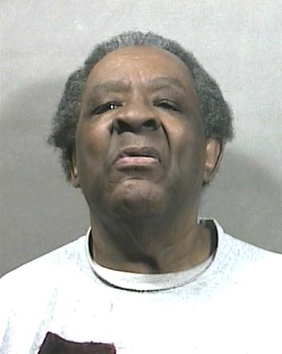
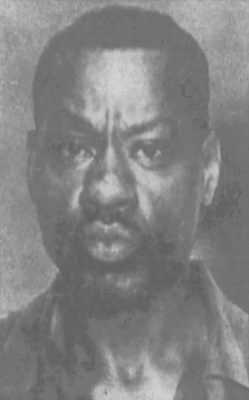
Leroy Snyder, sometimes known by the nickname “Duke,” was born on February 13, 1931, in Camden, New Jersey. Long before he became responsible for one of the most frightening sequences of murders in Camden’s history, Snyder accumulated an extensive record of violent and threatening behavior. His early offenses revealed a willingness to attack strangers, particularly women, and repeatedly returned him to jails and prisons.
In December 1949, when Snyder was 18 years old, he attempted to strangle a woman with a clothesline. After his release, he was arrested again for making threats of sexual violence against two young women. Snyder later served prison sentences for robbery, assault and armed robbery. He was confined at New Jersey State Prison until December 1968, when he was released on parole. Within months, people began dying in a series of attacks concentrated in Camden.
A City Confronted by Repeated Murders
Snyder’s confirmed murder series began on February 14, 1969, and continued until September 8, 1969. During that period, six women and one man were killed. Several victims were attacked inside homes, abandoned buildings or small businesses where they were isolated from immediate help. The crimes involved combinations of stabbing, shooting, beating, strangulation and sexual assault.
The murders initially appeared to have different circumstances. Some victims were killed inside stores, while others were discovered in residences or abandoned properties. However, investigators gradually recognized similarities in the violence, robbery elements and vulnerability of the victims. The continuing attacks created intense fear in Camden, particularly among women who worked alone or lived in neighborhoods containing vacant buildings.
Confirmed Victims
- Lula Crawley, 45 – February 14, 1969 – South Camden, New Jersey: Crawley was attacked inside the furniture store where she worked. She was discovered lying face down with her hands tied behind her back and a gag over her mouth. She had been stabbed repeatedly in the chest, neck and back. Witnesses reported seeing a suspicious man near the store, and investigators distributed a composite drawing based on their descriptions.
- Mary Freeman, 56 – April 12, 1969 – Camden, New Jersey: Freeman was found face down in shallow water inside a vacant house. Investigators determined that she had been sexually assaulted and stabbed. The isolated building delayed the discovery of her body and gave her attacker an opportunity to leave without attracting immediate attention.
- Shirley Brittingham, 32 – April 25, 1969 – Commerce Street, Camden, New Jersey: Brittingham, who was approximately six months pregnant, was killed in the basement of an abandoned house. She had been beaten, stabbed and shot several times. Her body was found with that of Warren Wells.
- Warren Wells, 27 – April 25, 1969 – Commerce Street, Camden, New Jersey: Wells was killed during the same incident as Shirley Brittingham. His throat had been cut, and he had been shot several times in the back. The discovery of two victims in the basement intensified concern that an exceptionally violent offender was operating in the city.
- Lovie Williams, 52 – May 19, 1969 – Camden, New Jersey: Williams was found dead inside her home. She had suffered a severe beating and a fatal abdominal wound. Her death was initially blamed on another man, but that suspect was later released and cleared.
- Vera Stevens, 45 – August 9, 1969 – Camden, New Jersey: Stevens was beaten to death and sexually assaulted. Her killing occurred after a gap of several weeks, demonstrating that the person responsible had not stopped despite the investigation and earlier arrests of potential suspects.
- Gertrude Friedman, 58 – September 8, 1969 – Camden, New Jersey: Friedman was working alone in her linoleum store when Snyder entered and attacked her. She was sexually assaulted and killed by a cut to the throat. A customer later entered the unattended business and discovered that something was wrong. Friedman’s wristwatch and articles of clothing were taken from the scene, providing investigators with critical evidence.
Incorrect Arrests During the Investigation
Before Snyder was identified, authorities arrested other men in connection with individual killings. Richard Morton, 32, was accused of murdering Lovie Williams after he was reportedly seen in her neighborhood carrying or displaying a hunting knife. The evidence did not establish that Morton had killed her, and he was eventually released and cleared.
Another man, 29-year-old William McDaniels, was a soldier absent without leave from the United States Army. He was arrested on June 13, 1969, and accused of killing Shirley Brittingham and Warren Wells. McDaniels was also cleared and released. These mistaken accusations illustrated the difficulty investigators faced while the actual killer remained free.
The Murder of Gertrude Friedman and Snyder’s Arrest
The killing of Gertrude Friedman finally supplied detectives with evidence that led directly to Snyder. Friedman’s wristwatch and clothing had disappeared from her store. Three days after the murder, on September 11, 1969, police raided Snyder’s residence on Cherry Street in Camden. Officers recovered Friedman’s stolen watch and several items of clothing connected to her.
Snyder was arrested and charged with Friedman’s murder. The sequence of killings stopped immediately after he was taken into custody. Detectives Earl Smith and Nate Jones questioned him about the other unsolved deaths. During those interrogations, Snyder confessed to all seven murders and supplied information about the crimes that investigators said had not been released publicly.
Confessions and Motives
Snyder’s attacks frequently included robbery, sexual violence or both. Some of the victims appear to have been selected because they were alone in locations where interruption was unlikely. The crimes did not follow one exact method, but the repeated use of extreme violence and the theft of property helped investigators connect Snyder to the broader series.
Authorities also examined whether Snyder might have committed additional murders in the Camden area. He was investigated in connection with three other deaths, but investigators eventually ruled him out in those cases. His confirmed total remained seven victims.
Guilty Pleas and Sentencing
In July 1970, Snyder entered pleas admitting responsibility for the seven killings. By resolving the cases through guilty pleas, he avoided trials in which prosecutors could have pursued the harshest available punishment. His admissions ended months of uncertainty surrounding the individual murders and officially cleared the people who had previously been accused.
On July 17, 1970, Snyder was sentenced to multiple life terms in prison. Contemporary accounts commonly described the court as imposing three consecutive life sentences, although Snyder admitted responsibility for all seven deaths. Under the terms governing his confinement, he would have been required to serve approximately 43 and one-half years before becoming eligible for parole consideration.
Imprisonment and Death
Snyder returned to New Jersey State Prison, the institution from which he had been paroled only months before the murders began. He remained incarcerated for the rest of his life. The required minimum period of imprisonment meant that he was not expected to become eligible for parole until 2014, when he would have been in his eighties.
Leroy Snyder died at New Jersey State Prison in Trenton on October 1, 2001. He was 70 years old and had spent more than three decades imprisoned for the Camden killings. His death ensured that he would never face a parole board or return to the community.
Legacy of the Camden Murders
Snyder’s crimes represented one of the most violent periods in Camden’s modern history. Seven people were killed in less than seven months, and two innocent suspects were arrested before police recovered physical evidence from Snyder’s home. The discovery of Gertrude Friedman’s stolen property proved to be the turning point that brought the series to an end.
The victims came from different circumstances, but each was subjected to sudden and devastating violence. Lula Crawley and Gertrude Friedman were attacked while working in small businesses. Mary Freeman, Shirley Brittingham and Warren Wells were killed in vacant or abandoned buildings. Lovie Williams was murdered in her own home, and Vera Stevens was sexually assaulted and beaten to death. Their names and the verified dates of their deaths remain central to the history of Snyder’s crimes.