Marcus Bryan Shrader III: The 1974 Onslow County Murders
Background
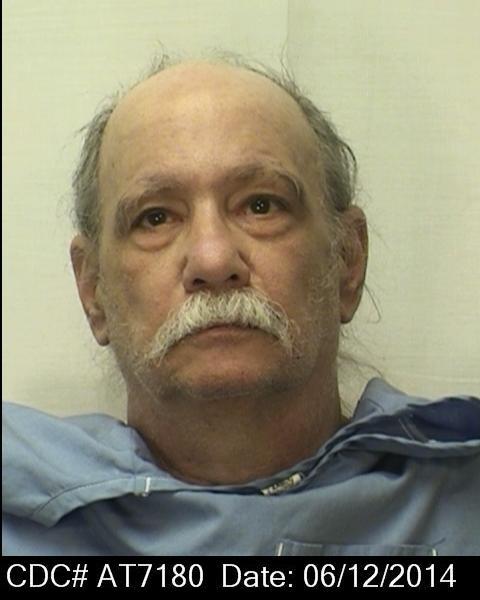
Marcus Bryan Shrader III was a United States Navy medical corpsman whose name became associated with a series of kidnappings and murders in and around Jacksonville and Onslow County, North Carolina, during 1974. He was approximately 33 years old and had served in the Navy for about 16 years when he was arrested. At the time, Shrader was stationed at Camp Lejeune and lived in the Cedar Point area.
Authorities ultimately connected Shrader to four female victims whose deaths occurred between January and August 1974. The crimes involved abduction, restraint, sexual violence, bank robbery and the deliberate killing of witnesses. Although Shrader was accused of all four murders, he was tried and convicted only for the kidnapping and murder of 19-year-old Cheryl Potter Boyd. The evidence presented during that trial also revealed disturbing information about the deaths of two teenage girls and helped investigators strengthen their suspicions concerning an earlier bank robbery and murder.
Victims
- Tasca Virginia “Ginger” Rader, 23 — January 25, 1974 — Onslow County, North Carolina: Rader was kidnapped and forced to participate in a bank robbery. After the robbery, she was shot and killed. Shrader was identified by police as the leading suspect, but he was never brought to trial for her murder.
- Karen Beth Amabile, 15 — August 2, 1974 — Bear Creek area, Onslow County, North Carolina: Karen was abducted with her friend Cindy Howard after the girls encountered Shrader’s 16-year-old stepdaughter, Debra Ann Brown. According to testimony and investigative accounts, the girls were taken to Shrader’s van, restrained, sexually assaulted and strangled. Their bodies were abandoned in the Bear Creek area. Shrader was accused of Karen’s murder but was not separately tried for it.
- Cindy Howard, 15 — August 2, 1974 — Bear Creek area, Onslow County, North Carolina: Cindy was kidnapped alongside Karen Amabile while the two teenagers were reportedly on their way to mail a letter. She was restrained, sexually assaulted and strangled before her body was left with Karen’s in a remote area. Shrader was accused of Cindy’s murder but was never tried on that charge.
- Cheryl Potter Boyd, 19 — August 16, 1974 — Jacksonville, Onslow County, North Carolina: Boyd was abducted from the parking lot of the post office on New Bridge Street in Jacksonville. Shrader forced her to accompany him during a robbery of a North Carolina National Bank branch. After the robbery, he made her drive away and then shot her in the face. Her body was found inside her blue Ford Mustang behind a shopping center. Shrader was convicted of her kidnapping and first-degree murder.
The Murder of Ginger Rader
The first killing attributed to Shrader occurred on January 25, 1974. Tasca Virginia Rader, commonly identified as Ginger Rader, was 23 years old when she was abducted in Onslow County. Investigators believed Shrader forced her to assist him in robbing a bank, using her presence to reduce suspicion and possibly as protection during his escape.
Once the robbery was completed, Rader became a witness who could identify the man responsible. She was shot and killed, and the crime remained unresolved during the months that followed. When Cheryl Potter Boyd was kidnapped and murdered under strikingly similar circumstances in August, investigators recognized a pattern. Both women had been taken against their will, forced to participate in bank robberies and killed afterward.
Contemporary reports described Shrader as a likely suspect in Rader’s death after his arrest for Boyd’s murder. Police believed the similarities between the two crimes were too strong to be accidental. Nevertheless, Shrader was never tried for Rader’s killing, and the legal case against him centered primarily on the murder of Cheryl Boyd.
The Abduction of Karen Amabile and Cindy Howard
On August 2, 1974, 15-year-old friends Karen Amabile and Cindy Howard went out to mail a letter. During their trip, they encountered Shrader’s teenage stepdaughter, Debra Ann Brown. Brown offered the girls a ride, but Shrader was waiting nearby in a van.
According to information later introduced during Shrader’s trial, the two girls were forced into the vehicle. Shrader handcuffed them, covered their mouths and placed tape over their eyes. They were then taken to another location, where they were sexually assaulted and strangled. Their bodies were discarded in the Bear Creek area of Onslow County.
Brown later gave investigators a statement describing the abduction and directing officers to locations where evidence connected to the crimes could be found. During Shrader’s murder trial, defense attorneys questioned Brown about her involvement in other kidnappings and killings. That line of questioning allowed prosecutors to introduce her statement describing Shrader’s alleged responsibility for the murders of the two teenagers.
The North Carolina Supreme Court later noted that Brown’s account described the two kidnappings and murders in substantial detail. Despite the testimony and physical evidence surrounding the case, Shrader was not tried for the deaths of Karen Amabile and Cindy Howard. Authorities continued to identify him as their killer, and the murders remained an important part of the broader history of his crimes.
The Kidnapping of Cheryl Potter Boyd
On August 16, 1974, Cheryl Potter Boyd drove to the post office on New Bridge Street in Jacksonville. Cheryl was 19 years old and had been married for only about eight months. As she prepared to enter or leave her car, Shrader approached and forced his way into the vehicle.
Shrader was armed with a handgun. He kidnapped Cheryl and compelled her to assist him in robbing a nearby branch of North Carolina National Bank. Her presence gave the appearance that he was not acting alone and also provided him with a hostage whose life could be threatened if anyone attempted to intervene.
After leaving the bank, Shrader forced Cheryl to drive away. A witness later identified Shrader as the man seen riding in Cheryl’s automobile only minutes before she was killed. Shrader ordered her to drive to an area behind a shopping center, where he shot her through the eye or upper face at close range. He then abandoned her body inside her blue Mustang.
The shooting was not treated as an isolated act committed during a moment of panic. Prosecutors maintained that Cheryl was killed because she had seen Shrader, knew what he had done and could identify him. The North Carolina Supreme Court later characterized the crime as a carefully planned and coldly executed murder in which an unknown young woman was seized, used as a hostage during a robbery and eliminated when she was no longer useful.
Arrest and Investigation
Jacksonville police launched an intensive investigation immediately after Cheryl’s body was discovered. Witness descriptions, evidence from the robbery and information concerning Shrader’s movements led detectives to his home in Cedar Point. He was arrested at approximately 10:30 p.m. on August 18, 1974, two days after Cheryl was killed.
Shrader’s stepdaughter, Debra Ann Brown, was also drawn into the investigation. She had accompanied him during portions of his criminal activity and had information about the abductions of Karen Amabile and Cindy Howard. Brown eventually cooperated with investigators and testified for the prosecution under an agreement that limited the charges she faced.
Evidence presented at trial showed that Shrader had kidnapped Cheryl, forced her to participate in the robbery and compelled her to drive to the location where she was shot. Shrader himself testified against the advice of his attorneys. His testimony confirmed much of the prosecution’s evidence, although he claimed that he had not intended to fire the gun.
That assertion did not protect him from a murder conviction. Under North Carolina law, a killing committed during a kidnapping or robbery constituted first-degree murder. The continuous chain of events from Cheryl’s abduction through the bank robbery and shooting established Shrader’s responsibility even if his claim of an accidental discharge had been accepted.
Trial and Conviction
Shrader was tried in Onslow County during December 1974. He pleaded guilty to kidnapping Cheryl Potter Boyd but contested the murder charge. Prosecutors presented evidence that the kidnapping, robbery and shooting were parts of a single planned criminal transaction.
The jury found Shrader guilty of first-degree murder. He was sentenced to death, the punishment then prescribed by North Carolina law for a capital murder conviction. He also faced a federal sentence of 20 years for the bank robbery.
Shrader appealed his conviction to the North Carolina Supreme Court. On June 17, 1976, the court rejected his claims of legal error and upheld the finding that he had murdered Cheryl during the commission of kidnapping and robbery. The justices concluded that he had received a fair trial and that the evidence demonstrated a deliberate effort to silence a witness.
Commutation and Imprisonment
Shrader’s death sentence was later reduced to life imprisonment after changes in death-penalty law affected North Carolina’s capital sentences. He remained in the state prison system and became eligible for parole in 1986.
Cheryl Boyd’s relatives repeatedly opposed his release. Her brother and other members of the victims’ families argued that Shrader remained responsible not only for Cheryl’s murder but also for the deaths of Ginger Rader, Karen Amabile and Cindy Howard. Parole officials repeatedly denied his requests for release.
In 2005, the North Carolina Post-Release Supervision and Parole Commission again denied Shrader parole after conducting a detailed review of his case. Even if he had been released from his state sentence, he still faced the federal prison term imposed for the bank robbery connected to Cheryl’s kidnapping and murder.
Death in Prison
Marcus Bryan Shrader III remained incarcerated for more than three decades. He died from natural causes associated with a chronic illness at Central Prison in Raleigh on July 10, 2007. He was approximately 65 years old.
His death ended the possibility that he might ever be released or brought to trial for the other three murders. For the families of the victims, it also closed a long period marked by annual parole concerns and the knowledge that only one of the four killings had produced a murder conviction.
Legacy of the Case
Shrader’s crimes created lasting fear in the Jacksonville and Onslow County communities. His position as a Navy corpsman offered no warning of the violence he was capable of committing. During an eight-month period, authorities believed he abducted four young women and girls, used two of the adult victims in bank robberies and killed all four to prevent them from identifying him or reporting what had happened.
The murder of Cheryl Potter Boyd was the only killing for which Shrader was convicted in court. However, law-enforcement officials publicly accused him of murdering Ginger Rader, Karen Amabile and Cindy Howard as well. Testimony concerning the teenagers’ deaths became part of the official appellate record, while the strong similarities between the Rader and Boyd crimes reinforced investigators’ belief that both women had been targeted by the same offender.
The case remains a disturbing example of how an offender could combine financial crimes with abduction and murder. Shrader did not simply rob banks; he selected vulnerable victims, forced them to become participants and then killed them when they could expose him. His conviction ensured that he spent the remainder of his life in prison, but the absence of separate trials for three of the victims left their families without individual verdicts formally establishing his guilt.