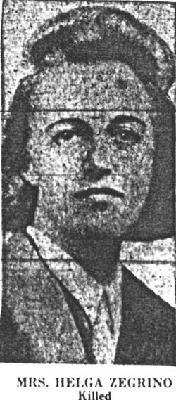
On a cold Valentine's Day in 1969, the city of Camden, New Jersey, was shaken by a brutal crime that would mark the beginning of a reign of terror. Lula Crawley, a 45-year-old woman, was found murdered in the furniture store she owned. Her death was not a simple act of violence; it was a carefully orchestrated and savage attack that left the community in fear.
Lula's husband grew worried when she didn't answer the phone at their store.
He asked a neighbor to check on her, but the store was locked. A family friend with a key eventually let them inside, where they discovered a horrific scene. Lula was found face down in a pool of her own blood, her hands tied behind her back and a gag in her mouth. She had been stabbed thirteen times in her chest, neck, and back. The brutality of the murder suggested a deeply disturbed individual.
The investigation into Lula Crawley's death unfolded against a backdrop of racial tension in Camden. For months, there were no arrests, and fear lingered in the community. Her murder was the first in a series of seven killings that plagued the city over the following eight months. The victims, six women and one man, were all subjected to horrific violence.
The reign of terror came to an end with the arrest of Leroy Snyder, a 38-year-old junkyard laborer with a long criminal record. Snyder was apprehended in September 1969 for the murder of the last victim. During questioning, he confessed to all seven murders, including that of Lula Crawley. He provided graphic details of the crimes that had not been made public, leaving no doubt in the minds of investigators that they had found their killer. Snyder, who had been out on parole at the time of the killings, pleaded guilty to the murders to avoid the death penalty and received six life sentences. He died in prison in 2001, taking the full story of his violent rampage to the grave.