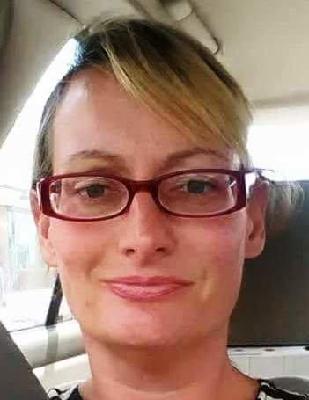
Milagro Ines Tena, a 40-year-old single mother of two, was building a life for her family in Camden, New Jersey, in the summer of 1973. A devoted parent, she lived in an apartment with her 23-year-old son. Her life, however, was intertwined with a man who harbored a dark and violent history, a man known as Carmello DeJesus.
On Saturday, September 1, 1973, while her son was away for the weekend, a heated altercation erupted between Milagro and DeJesus inside her home.
The argument escalated with terrifying speed. As Milagro tried to escape the violence, DeJesus fired a single, fatal shot that struck her in the heart. Her life ended instantly in the place she should have been safest. For two days, her absence went unnoticed until her daughter, unable to reach her, went to the apartment and made the devastating discovery of her mother's body.
The investigation into Milagro’s death quickly identified DeJesus as the sole suspect, and an arrest warrant was issued. But the manhunt for him would come to an abrupt and unexpected end. On September 8, 1973, in a field in Perinton, New York, near Rochester, the body of Carmello DeJesus was found by two boys. He had died by a self-inflicted gunshot wound. Next to his body lay a gun, a half-empty bottle of whiskey, and a Spanish-language Bible.
Tucked inside the pages of the Bible was a handwritten note that brought a chilling resolution to Milagro’s case and others. In the note, addressed to his mother and siblings in Puerto Rico, the 39-year-old career criminal expressed remorse for his actions. "I have killed four persons and I don't want to kill anyone else," he wrote. "That's why I want to end my life." He then named three of his victims, providing the dates and locations of their murders. One of those names was Milagro Tena.
The confession confirmed that Milagro was a victim of a serial killer. DeJesus, who also used the names Antonio Angel DeJesus and Jimenez DeJesus, had a criminal record for burglary and assault stretching back to 1960. His killing spree began on September 17, 1971, when he shot his girlfriend, Octavia Ford, in Bridgeton, New Jersey. On January 5, 1973, he murdered Sandra Postell in a motel in Palm Beach County, Florida. Milagro was his final named victim.
While DeJesus confessed to a fourth murder, he provided no details about that victim's identity, leaving a painful and enduring mystery for another family. With his suicide, Carmello DeJesus escaped earthly justice, dying before he could be tried for the lives he had taken. For the family of Milagro Ines Tena, the confession brought the certainty of knowing who was responsible for her death, but it could never fill the void left by the loss of a mother whose life was stolen in a moment of brutal violence.