Kimberly Clark Saenz: The Dialysis Clinic Murders
Background
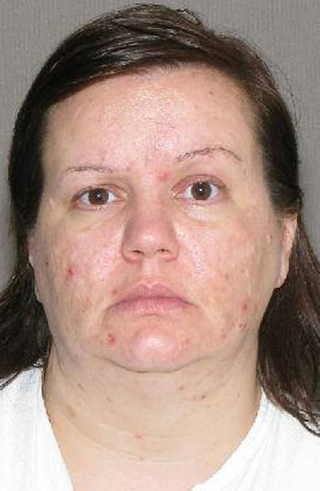
Kimberly Clark Saenz was a licensed vocational nurse who became one of the most notorious medical serial killers in Texas history. Born Kimberly Clark Fowler on November 3, 1973, she eventually trained as a nurse and found employment in medical facilities around Lufkin, Texas. Her career was troubled long before the killings that made her infamous. She had reportedly been dismissed from several health-care positions for misconduct, including allegations that she stole prescription medication and attempted to interfere with a drug test.
In 2007, Saenz began working at the DaVita dialysis clinic in Lufkin. The patients treated there were suffering from severe kidney disease and depended on dialysis machines to remove waste and excess fluid from their blood. During treatment, their blood traveled through external tubing before being returned to their bodies. This process left them physically vulnerable and placed enormous trust in the nurses and technicians responsible for their care.
A Disturbing Pattern at the Clinic
During April 2008, the clinic experienced an extraordinary series of medical emergencies. Patients who had arrived for routine dialysis suddenly became unconscious, suffered dramatic drops in blood pressure or went into cardiac arrest. Emergency personnel were summoned to the facility repeatedly. During the preceding 15 months, ambulances had reportedly been called to the clinic only twice, but in April 2008 alone emergency medical services responded approximately 30 times.
The number and timing of the incidents alarmed clinic employees, paramedics and local officials. Several patients experienced unusual blood clots in their dialysis tubing, while others displayed symptoms consistent with the destruction of red blood cells. Some patients survived after emergency treatment, but five eventually died. Investigators later determined that Saenz had been working during every fatal incident included in the prosecution.
The Deaths of Clara Strange and Thelma Metcalf
The first two deaths attributed to Saenz occurred on April 1, 2008. Clara Strange and Thelma “Fran” Metcalf were receiving dialysis when both suffered cardiac arrest. Strange, 77, was transported to a Lufkin hospital but died that day. Metcalf, 68, also died in a Lufkin hospital on April 1.
Metcalf’s family noticed a powerful odor resembling bleach when they saw her body. Her daughter later described the smell as so intense that it irritated her eyes. Although both deaths could initially have been attributed to the victims’ serious medical conditions, the fact that two patients died after collapsing during treatment on the same day contributed to growing concerns about the clinic.
Garlin Kelley and Cora Bryant
On April 16, 2008, Garlin Kelley became unresponsive while undergoing dialysis. A clinic employee noticed an unusual clot in his arterial line and began cardiopulmonary resuscitation. Kelley was taken to a hospital and resuscitated, but he never regained consciousness. He died on April 18, 2008.
On April 22, Cora Louise Bryant suffered cardiac arrest during treatment. She survived the immediate emergency but remained hospitalized and never recovered from the injuries associated with the incident. Bryant died in Lufkin on July 15, 2008, approximately three months after her collapse. Prosecutors treated her death as one of the five murders committed during the series of attacks.
The Death of Opal Few
Opal Few was undergoing dialysis on April 26, 2008, when she became unresponsive and suffered cardiac arrest. A coworker later testified that Saenz had been attending to Few shortly before the emergency. When staff members discovered that Few was in distress, Saenz allegedly appeared reluctant to assist and had to be called back from a break. Few was transported to a hospital but died later that day.
Few’s death was the fifth fatality for which Saenz was convicted. By this stage, the clinic’s alarming pattern of collapses and cardiac arrests had attracted serious attention. Employees and emergency responders no longer believed that the incidents could be explained solely by the patients’ existing illnesses.
Confirmed Murder Victims
- Clara Strange, 77 — Suffered cardiac arrest during dialysis and died on April 1, 2008, at a hospital in Lufkin, Texas.
- Thelma “Fran” Metcalf, 68 — Collapsed during dialysis and died on April 1, 2008, at a hospital in Lufkin, Texas.
- Garlin Kelley — Suffered cardiac arrest at the Lufkin clinic on April 16, 2008, and died in a hospital on April 18, 2008.
- Opal Few — Became unresponsive during dialysis and died on April 26, 2008, at a hospital in Lufkin, Texas.
- Cora Louise Bryant, 65 — Suffered cardiac arrest during dialysis on April 22, 2008, and died from the resulting injuries on July 15, 2008, in Lufkin, Texas.
The April 28 Attacks
The investigation reached a turning point on April 28, 2008. State health inspectors were at the clinic when patients Marva Rhone and Carolyn Risinger suddenly experienced dangerous drops in blood pressure. Two other patients, Linda Hall and Lurlene Hamilton, reported seeing Saenz draw liquid from a bucket containing bleach into syringes and inject the contents into the women’s dialysis tubing.
When confronted, Saenz claimed that she had been using the syringes to measure bleach while cleaning an unused dialysis machine. Employees stated that this was not an approved cleaning procedure. The bucket and syringes were preserved as evidence, and laboratory testing detected bleach. Additional syringes associated with Saenz also tested positive for the chemical.
Rhone and Risinger survived, but their collapses provided investigators with eyewitness accounts and physical evidence directly connecting Saenz to the suspicious medical emergencies. The clinic was temporarily closed, and Saenz was dismissed from her position the following day.
Patients Who Survived the Attacks
- Graciela Castañeda — Lost consciousness during dialysis at the Lufkin clinic on April 16, 2008, but survived.
- Marie Bradley — Experienced a severe and dangerous drop in blood pressure during treatment on April 23, 2008, but survived.
- Debra Oates — Developed multiple alarming symptoms and a severe reduction in blood pressure during dialysis on April 26, 2008, but survived.
- Marva Rhone — Suffered a sudden, life-threatening drop in blood pressure on April 28, 2008, after Saenz was seen handling a syringe near her dialysis line. Rhone survived.
- Carolyn Risinger — Experienced a severe drop in blood pressure during treatment on April 28, 2008, after Saenz was observed injecting material into dialysis tubing. Risinger survived.
The Bleach Evidence
Sodium hypochlorite, the active chemical in household bleach, can be devastating when introduced into the bloodstream. It damages blood cells and can cause hemolysis, a process in which red blood cells rupture. The resulting complications may include dangerous changes in blood chemistry, organ damage, cardiovascular collapse and death.
At the time of the investigation, detecting past bleach exposure in human blood was difficult. Prosecutors consulted an analytical chemist who was studying chlorotyrosine, a chemical marker associated with exposure to chlorinating agents. Tests performed on evidence from the patients revealed results that experts said were consistent with bleach entering their bloodstreams.
Investigators also examined Saenz’s computer and discovered searches concerning whether bleach could kill a person. During police questioning, she referred to using bleach and syringes before investigators had fully explained the evidence they had collected. Prosecutors presented this statement as an indication that she knew the precise method used in the attacks.
Statements About the Patients
Several coworkers described Saenz as expressing hostility toward particular patients. One employee testified that Saenz had specifically complained about or voiced dislike for Clara Strange, Thelma Metcalf, Garlin Kelley, Opal Few, Debra Oates, Marva Rhone and Carolyn Risinger. Every person named in that testimony either died or suffered a serious medical emergency during dialysis in April 2008.
Prosecutors did not establish a clear motive for the poisonings. The attacks did not appear to be committed for financial gain, and the victims were not linked by any personal relationship outside the clinic. The state portrayed Saenz as deliberately harming vulnerable patients who irritated or inconvenienced her, while the defense maintained that the deaths resulted from medical problems and unsafe conditions within the facility.
Arrest and Charges
After an extensive investigation, Saenz was arrested and indicted in 2009. She was charged with capital murder for intentionally causing the deaths of more than one patient during the same criminal course of conduct. She also faced aggravated-assault charges connected to patients who survived.
The prosecution’s case combined eyewitness testimony, clinic records, chemical testing, computer evidence and statistical analysis. An epidemiologist reviewed the unusual concentration of emergencies and determined that Saenz had been present during the incidents examined by investigators. Detectives were unable to recover all of the clinic’s discarded medical materials, however, because much of the waste from earlier treatments had already been removed.
Trial and Defense
Saenz’s trial began in March 2012 in Angelina County. Prosecutors argued that she intentionally injected bleach into dialysis lines, knowing that the chemical would travel directly into the patients’ blood. Witnesses described seeing her prepare syringes from a bleach container and place them into the tubing connected to patients.
Her defense attorneys argued that DaVita had serious operational and sanitation problems and suggested that contaminated water, improper procedures or the patients’ underlying illnesses could explain the deaths. They also accused clinic officials of directing blame toward Saenz to shield the company from responsibility. Saenz continued to deny that she had intentionally harmed anyone.
The jury rejected the defense theory. On March 30, 2012, Saenz was found guilty of capital murder involving the deaths of Clara Strange, Thelma Metcalf, Garlin Kelley, Cora Bryant and Opal Few. She was also convicted of three counts of aggravated assault relating to surviving patients.
Sentence and Imprisonment
Prosecutors sought the death penalty, but the jury chose life imprisonment without the possibility of parole. On April 2, 2012, Saenz received a life sentence for the capital murders. She was also sentenced to three consecutive 20-year prison terms for aggravated assault, adding a total of 60 years to the life sentence.
During victim-impact statements, relatives described the emotional devastation caused by the deaths. Family members condemned Saenz for exploiting people who were unable to protect themselves and who had entered the clinic expecting medical care. The killings transformed an ordinary treatment center into the scene of a prolonged criminal investigation and permanently damaged the sense of trust shared by its patients and employees.
Possible Additional Victims
Authorities suspected that Saenz may have harmed more patients than those included in the indictment. Investigators identified other unusual medical incidents associated with her shifts, but the available evidence was not sufficient to support additional charges. Important medical waste had been discarded before police recognized the full scope of the case, limiting the number of samples that could be tested.
Kimberly Clark Saenz remains imprisoned for the five murders and three aggravated assaults. Her crimes stand as a particularly disturbing example of medical serial murder because the victims were attacked while undergoing treatment that was essential to keeping them alive. By introducing a corrosive chemical into dialysis lines, she turned the equipment sustaining her patients into a means of poisoning them.