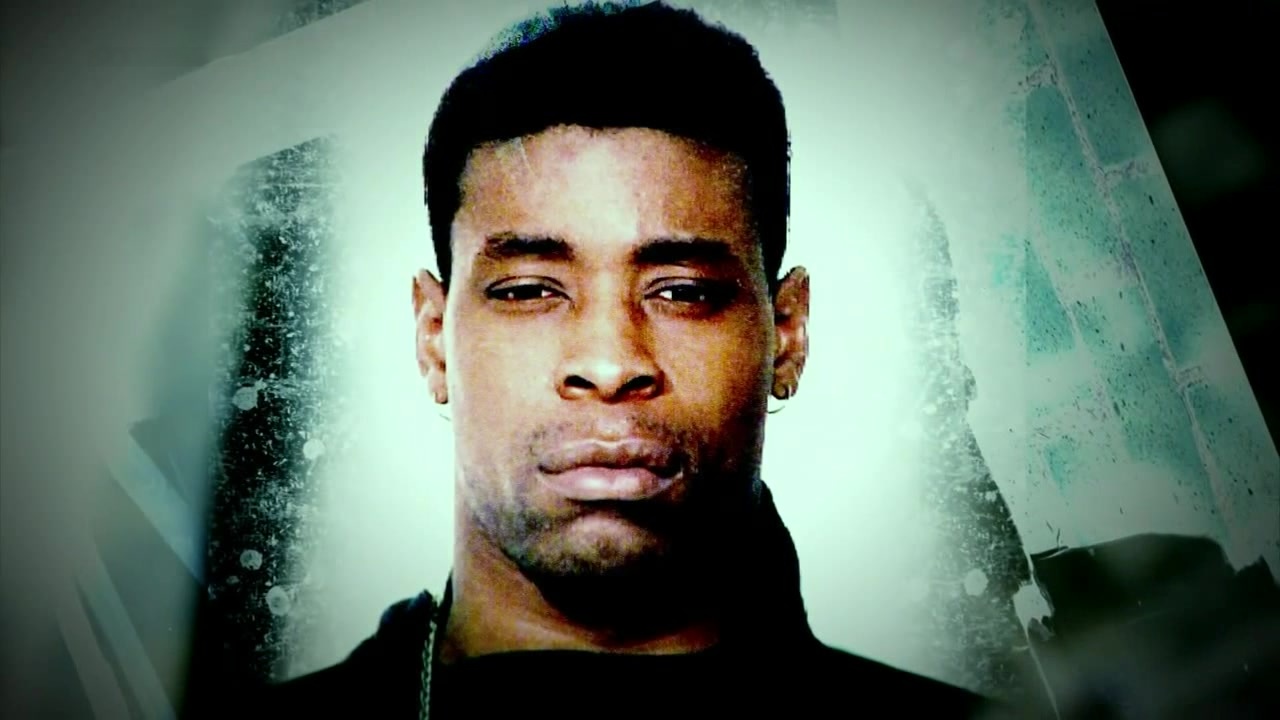
Robert Charles Gleason: The Inmate Who Demanded Death
Overview
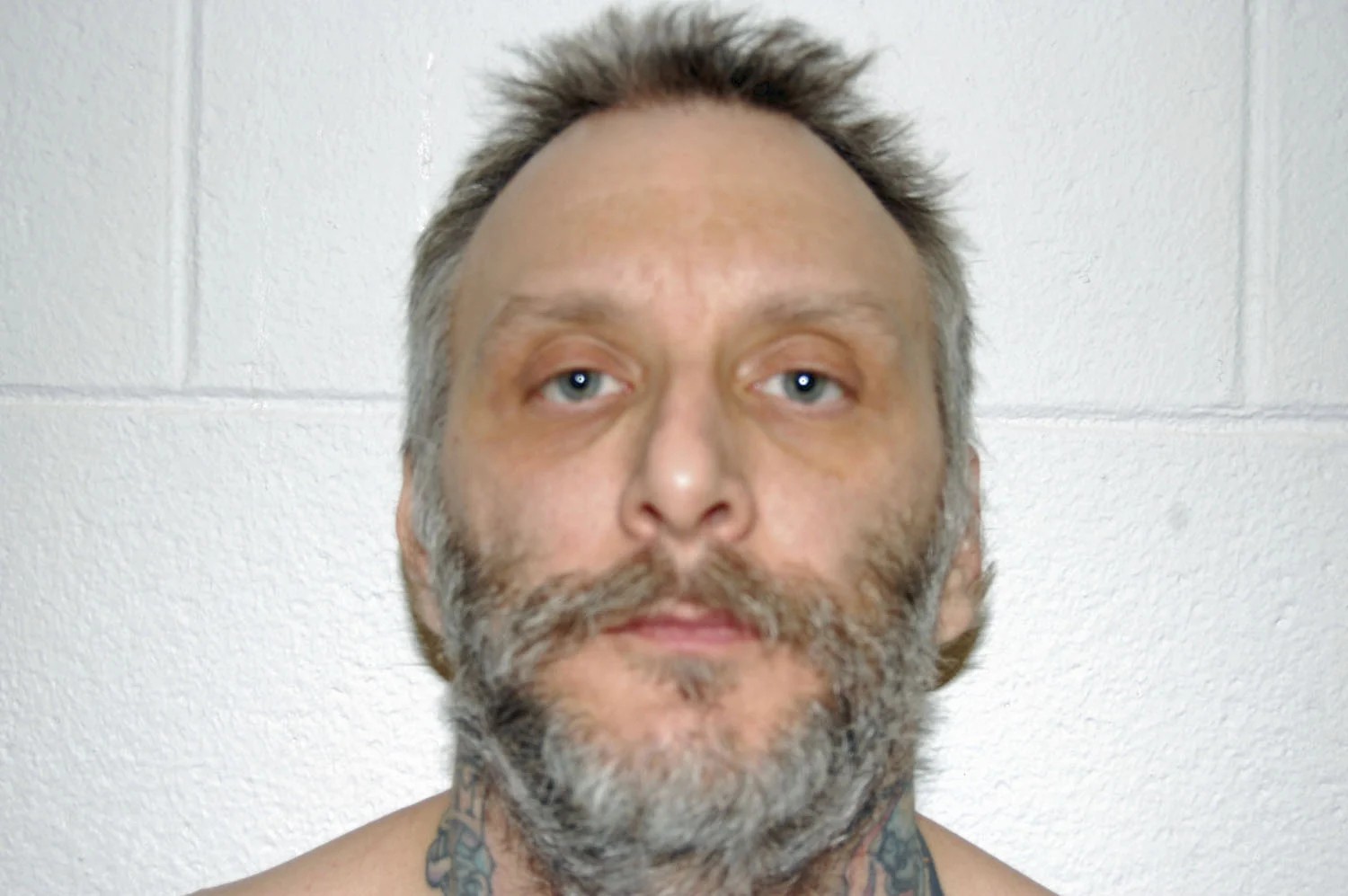
Robert Charles Gleason Jr. was an American serial killer who murdered three men between 2007 and 2010. Already serving a life sentence for a 2007 murder, Gleason committed two more brutal killings inside Virginia's highest-security prisons. He openly admitted to these crimes and aggressively sought the death penalty, vowing to continue killing other inmates if the state did not execute him. Gleason waived all his appeals and ultimately got his wish, choosing to die in the electric chair. His case became a focal point in the debate over capital punishment, with supporters arguing his actions demonstrated the necessity of the death penalty for inmates who remain a threat even while incarcerated. On January 16, 2013, Gleason was executed, becoming the last person to die by electrocution in Virginia before the state abolished capital punishment in 2021.
Early Life and Background
Robert Charles Gleason Jr. was born on April 10, 1970, in Lowell, Massachusetts. Little is publicly known about his early life and upbringing before his criminal activities brought him to public notice. He worked for a time as a tattoo artist. Reports submitted during his legal proceedings indicated a troubled life marked by childhood abuse, depression, anxiety, and paranoia. He had a history of mental health issues, including long bouts of depression and multiple suicide attempts. Before his first murder conviction, Gleason was involved in smaller-scale criminal activities, including theft and drug offenses.
The Murder of Michael Jamerson
On May 8, 2007, Robert Gleason shot and killed 54-year-old Michael Kent Jamerson in a wooded area in Amherst County, Virginia. The motive for the murder was to silence Jamerson and cover up Gleason's involvement in a methamphetamine ring that was under federal investigation. Gleason later confessed that he had taken a pistol from Jamerson's own belt, told him to "get right with God," and shot him. A turkey hunter discovered Jamerson's body the following day.
Despite little evidence initially linking him to the crime, Gleason pleaded guilty to first-degree murder in 2008. During one court appearance, he had a violent outburst that required deputies to use a stun gun on him. He was sentenced to life in prison without the possibility of parole and began his sentence at Wallens Ridge State Prison, a high-security facility in Big Stone Gap, Virginia.
The Prison Murders
Gleason’s violence did not end with his incarceration. He soon became frustrated with prison officials after they assigned a new cellmate, 63-year-old Harvey Gray Watson Jr., to his cell. Watson was serving a 100-year sentence for a 1983 shooting spree that left one person dead and two others injured. Watson was known to have a severe mental illness and exhibited disruptive behaviors, such as singing nonsensically through the night. Gleason's requests to have Watson moved were denied.
On May 8, 2009, exactly two years to the day after he murdered Michael Jamerson, Gleason brutally killed Watson. He hog-tied his cellmate with torn bedsheets, beat him, taunted him, shoved a urine-soaked sponge in his face, and stuffed a sock in his mouth before strangling him to death. Gleason then concealed the body in their cell for over 15 hours, making excuses for Watson's absence before prison guards finally discovered the crime.
Following Watson's murder, Gleason began his campaign for the death penalty. In interviews with the press and in court, he stated that he would not stop killing unless he was executed. "Someone needs to stop it," he told The Associated Press. "The only way to stop me is put me on death row."
He was transferred to Red Onion State Prison, a supermax facility near Pound, Virginia, designed to house the state's most dangerous inmates. Despite the extreme security measures, Gleason made good on his threat. On July 28, 2010, while in separate, single-person outdoor recreation cages, Gleason killed another inmate, 26-year-old Aaron Alexander Cooper. Cooper was serving a 34-year sentence for robbery. Gleason managed to strangle Cooper through the wire fence separating their cages, reportedly using braided pieces of a bedsheet or towel. Prosecutors said Gleason mocked the prison staff as they tried in vain to resuscitate Cooper.
The Victims
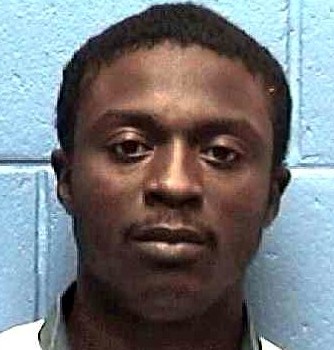
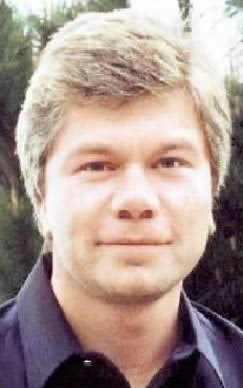
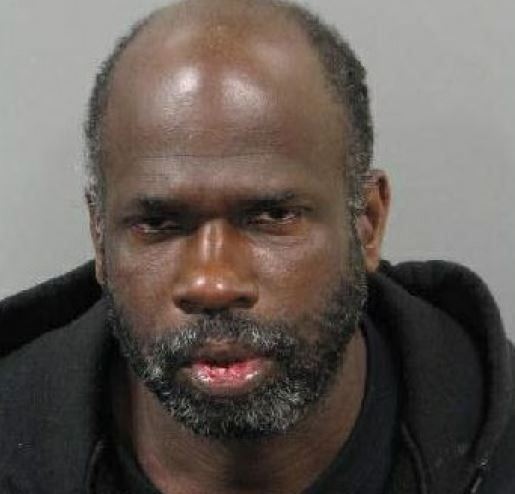
- Michael Kent Jamerson, 54 — Killed on May 8, 2007, in Amherst County, Virginia. He was murdered by Gleason to prevent him from cooperating with a federal investigation into a drug ring.
- Harvey Gray Watson Jr., 63 — Killed on May 8, 2009, at Wallens Ridge State Prison. Watson, who suffered from mental illness, was Gleason's cellmate and was brutally murdered after Gleason's requests for a cell change were denied.
- Aaron Alexander Cooper, 26 — Killed on July 28, 2010, at Red Onion State Prison. Cooper was strangled by Gleason through the fencing of an adjoining recreation cage while both men were in solitary exercise yards.
Investigation and Trial
There was no mystery surrounding the murders of Watson and Cooper. Gleason readily confessed to both killings, pleading guilty to two counts of capital murder. His motive was explicit: to force the state of Virginia to execute him. He fired his court-appointed lawyers who were attempting to negotiate a plea deal that would spare his life and represented himself to ensure he would be sentenced to death.
Throughout the court proceedings, Gleason was defiant and unapologetic about the murders, stating he had no remorse. He told the court that he had already selected other inmates to kill in case he did not receive the death penalty. He voluntarily and intelligently waived his right to appeal, a decision that was confirmed by competency evaluations. On September 6, 2011, a judge formally sentenced him to death for the murders of Watson and Cooper.
Execution
Gleason chose to be executed by electrocution rather than the more common method of lethal injection, a choice available to condemned inmates in Virginia at the time. His former attorneys made last-minute attempts to halt the execution, arguing that he was not mentally competent to waive his appeals and that his mental state had deteriorated on death row. However, these efforts were denied by the courts, and Governor Bob McDonnell announced he would not intervene.
On January 16, 2013, Robert Charles Gleason Jr. was executed at the Greensville Correctional Center in Jarratt, Virginia. He was 42 years old. His requested last meal was kept confidential. When asked for a final statement, he said, "Well, I hope Percy ain't going to forget to wet the sponge. Put me on the highway going to Jackson and call my Irish buddies. Póg mo thóin. God bless." The Irish phrase "Póg mo thóin" translates to "Kiss my arse." He was pronounced dead at 9:08 p.m. Family members of at least one of his victims witnessed the execution.
Aftermath and Legacy
Robert Gleason was the first person executed in the United States in 2013. His case was frequently cited by proponents of capital punishment as a clear example of a criminal who could not be safely contained, even in a maximum-security prison, and whose execution was necessary to prevent further loss of life. They argued that by executing Gleason, the state had saved the lives of future potential victims.
Gleason's execution was the last to be carried out by electric chair in Virginia. On March 24, 2021, Virginia became the first Southern state to abolish the death penalty, making Gleason a permanent historical footnote in the state's long history with capital punishment. His chilling vow to kill his way to the death chamber, and the state's ultimate compliance with his demand, remains a stark and unsettling chapter in American crime history.